Swift Microwave Therapy in Gerrards Cross — The Most Advanced Verruca Treatment Available
Swift microwave therapy is a revolutionary treatment for verrucas and warts, and Bucks Foot Clinic is proud to be one of the only clinics in the Gerrards Cross area to offer it. If you’ve tried acid treatments, over-the-counter freeze sprays, or even cryotherapy without success, Swift therapy in Gerrards Cross could be the solution you’ve been looking for.
What is Swift Microwave Therapy?
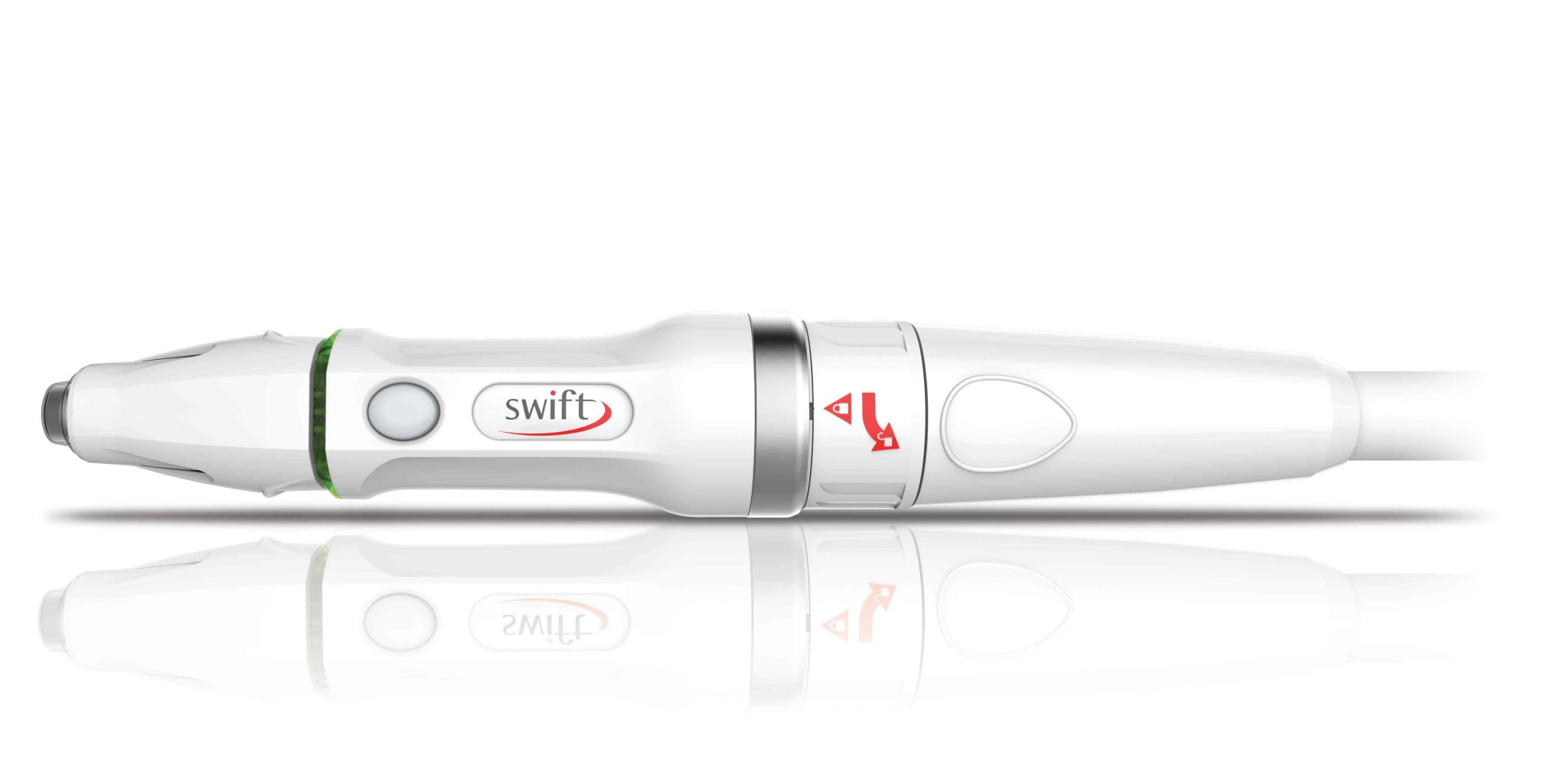
Swift is a CE-marked medical device developed specifically for the treatment of skin lesions caused by the human papillomavirus (HPV) — the virus responsible for both verrucas and warts. Using precisely calibrated microwave energy, Swift heats the tissue within the verruca to a specific temperature in just 2–4 seconds per application.
This targeted heat triggers a robust local immune response, alerting the body’s immune system to the presence of the HPV virus. The immune system then attacks and clears the virus — from the inside out. This is fundamentally different to traditional treatments, which work from the outside in by destroying skin layers. Swift treats the cause, not just the symptom.
Why Swift is More Effective Than Traditional Verruca Treatments
Traditional verruca treatments — including salicylic acid, cryotherapy, and over-the-counter products — work primarily by physically destroying the surface layers of infected tissue. Whilst they can be effective for mild or superficial verrucas, they often struggle with deep-rooted, longstanding, or multiple verrucas because:
- They don’t penetrate deeply enough to reach all of the infected tissue
- They don’t stimulate the immune response needed to clear HPV from the body
- They require many months of daily application or repeated freeze sessions
- They can damage the surrounding healthy skin
Swift bypasses these limitations entirely by working at an immunological level. Clinical studies and real-world evidence show Swift achieving clearance rates significantly higher than traditional methods, even in cases that have failed to respond to years of prior treatment.
Who is a Good Candidate for Swift Therapy?
Swift is suitable for most adults and children who have:
- A verruca or wart that hasn’t responded to over-the-counter treatments
- Multiple verrucas or mosaic verrucas
- A deep or longstanding verruca
- Any verruca or wart causing discomfort or embarrassment
Swift should not be used in patients with certain implanted electronic devices or low pain tolerance, and is not recommended during pregnancy. Our podiatrists will review your suitability at your initial assessment.
Treatment Options at Bucks Foot Clinic
What to Expect From Swift Therapy at Our Gerrards Cross Clinic
Most patients require 3–4 sessions, spaced 4–6 weeks apart. Some see results sooner; very deep or longstanding verrucas may require additional sessions. Our podiatrists will monitor your progress at each visit.
Why Choose Swift at Bucks Foot Clinic in Gerrards Cross?
- One of very few clinics in South Bucks offering Swift microwave technology
- Over 60 years of combined podiatric experience — we know verrucas
- HCPC-registered practitioners who stay current with the latest clinical evidence
- Transparent, honest assessment — we’ll only recommend Swift if it’s right for you
- Same-week appointments often available
Frequently Asked Questions (FAQs)
Does Swift therapy hurt?
There is a brief, intense sensation during each 2–4 second pulse, which some patients find uncomfortable. However, it passes immediately when the probe is removed, and there is no lasting soreness after the appointment. Most patients find it very manageable.
How many sessions will I need?
The majority of patients achieve clearance within 3–4 sessions. We’ll review progress at each visit and adjust the plan if needed.
Is Swift available on the NHS?
Swift is not routinely available on the NHS, though provision varies by area. At Bucks Foot Clinic, we offer Swift as a private treatment with transparent, competitive pricing. Contact us for details.
Book Your Appointment Today
Ready to try Swift therapy? Call Bucks Foot Clinic Gerrards Cross on 01753 260207 — one of the only clinics in South Bucks with this advanced technology.
Bucks Foot Clinic — Gerrards Cross | 14 Station Road, Gerrards Cross, SL9 8EL | bucksfootclinic.com


Recent Comments