Cart

Tag

podiatrist uk Archives - Bucks Foot Clinic

fungal toenail treatment

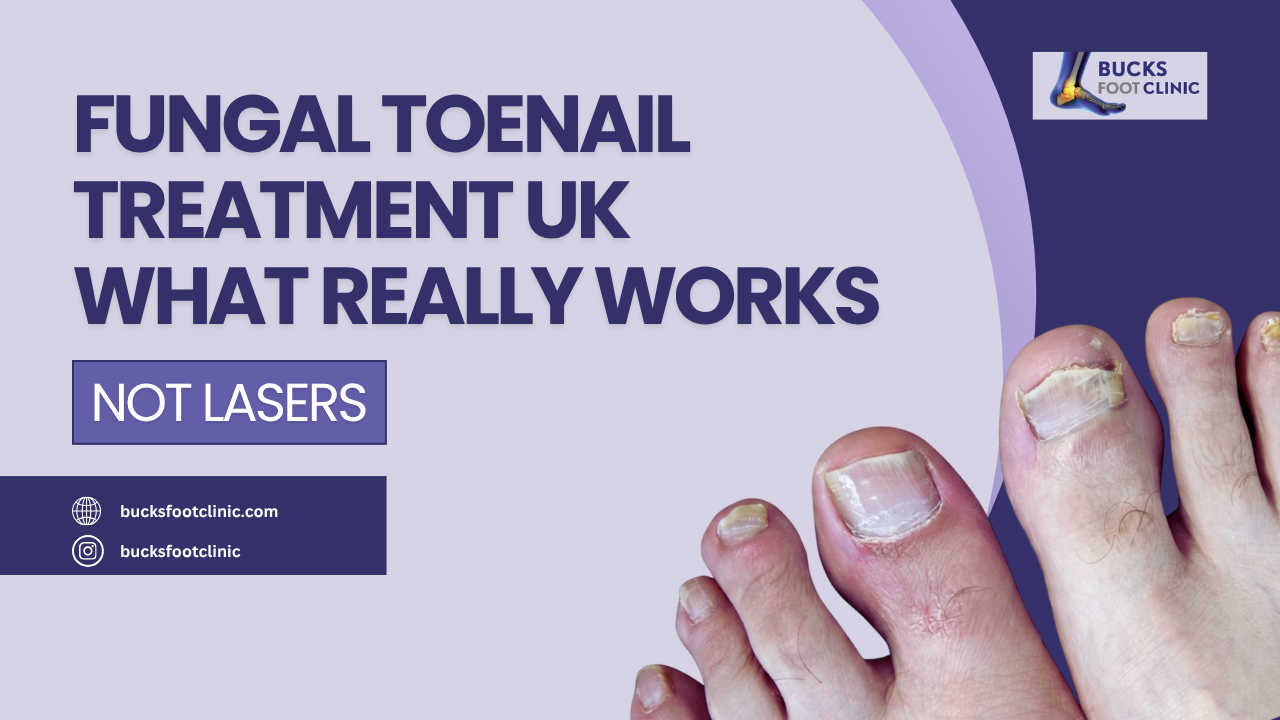
Fungal Toenail Treatment UK: What Really Works (Not Lasers)

By Blog No Comments

Fungal Nails: Why Your Thick, Yellow Toenail Won’t Fix Itself (And Why We Don’t Use Lasers)

Let’s talk about the toenails you hide in closed shoes all summer. The ones that have gradually turned yellow, thickened, crumbled at the edges, and now look nothing like they used to. Fungal toenail infection, known medically as onychomycosis, affects around one in ten adults in the UK, and that number climbs significantly as we get older. Yet despite being incredibly common, fungal toenail treatment in the UK remains one of the most misunderstood areas of foot care. Most people either ignore the problem, waste money on ineffective products, or assume nothing can be done.

At Bucks Foot Clinic, we take an honest, evidence-based approach to fungal nails and that includes being upfront about treatments we don’t offer and why.

How to Recognise a Fungal Toenail Infection

Fungal nail infections typically develop gradually, which is why many people don’t seek treatment until the infection is well established. Early signs include a white or yellowish spot appearing under the tip of the nail. As the infection progresses, the nail becomes thickened, discoloured (yellow, brown, or greenish), brittle, and crumbly. The nail may change shape, become distorted, or lift away from the nail bed. In some cases, a foul odour develops. The infection can spread to other toenails and even to the skin of your feet.

It’s worth noting that not every thick or discoloured nail is fungal. Trauma, psoriasis, and ageing can cause similar changes. An accurate diagnosis, ideally confirmed through laboratory testing, is important before starting any treatment.

Don't suffer from foot pain any longer

Book your appointment with Bucks Foot Clinic

Book Appointment

Why Over the Counter Treatments Rarely Work

The fundamental challenge with fungal nail treatment is penetration. The nail plate is a dense, hard structure designed to protect the nail bed beneath it. Most topical antifungal products (paints, lacquers, and solutions) struggle to penetrate through the full thickness of an infected nail, particularly if the infection has been present for some time and the nail has thickened significantly.

Pharmacy antifungal paints like amorolfine (Curanail/Loceryl) can work for mild, superficial infections that affect less than half the nail. For anything more extensive, the cure rate is disappointingly low. Many patients apply these products religiously for months without seeing meaningful improvement.

Struggling with this problem? Call Bucks Foot Clinic on 01494 434366 or book online at bucksfootclinic.com for expert advice and treatment.

Why We Don’t Offer Laser Treatment for Fungal Nails

This is where we differ from some clinics, and we believe transparency matters. Laser treatment for fungal nails has been heavily marketed in recent years as a quick, painless solution. Whilst the concept is appealing, the evidence doesn’t support the claims.

Independent research as opposed to studies funded by laser manufacturers consistently shows that laser therapy for fungal nails has unsatisfactory success rates compared to established alternatives. Clinical trials have produced mixed results at best, and many patients who undergo laser treatment find the infection returns. At Bucks Foot Clinic, we believe in recommending treatments that are genuinely supported by evidence, even when a flashier option exists. Our reputation depends on results, not marketing.

How to Prevent Fungal Toenail Infections

  • Keep your feet clean and dry fungi thrive in warm, moist environments
  • Change socks daily and choose moisture-wicking materials over synthetic fabrics
  • Rotate your shoes to allow them to dry out fully between wears (at least 24 hours)
  • Wear breathable footwear made from natural materials where possible
  • Use flip-flops in communal showers, changing rooms, and pool areas
  • Treat athlete’s foot promptly the same fungi that cause skin infections can spread to the nails
  • Don’t share nail clippers, files, or towels
  • Keep nails trimmed short and filed smooth to reduce areas where fungi can accumulate
  • If you visit nail salons, ensure instruments are properly sterilised between clients

Why Professional Treatment Makes the Difference

  • Laboratory diagnosis confirms the exact type of fungal infection, ensuring the right treatment is selected from the start
  • Professional debridement (reduction of the thickened nail) allows topical treatments to actually reach the infection rather than sitting uselessly on the surface
  • A podiatrist can assess whether topical treatment alone is sufficient or whether oral antifungal medication (prescribed via your GP) would be more appropriate for your specific case
  • Regular professional nail care during treatment keeps the infection managed and prevents it from worsening
  • We set realistic expectations about timelines toenails grow slowly (roughly 1–2mm per month), so complete clearance takes time even with the most effective treatment

Embarrassed by your toenails? You don’t have to be. Contact Bucks Foot Clinic today on 01494 434366 to book your appointment, or visit bucksfootclinic.com. We have clinics in Amersham, Chesham, and Little Chalfont.

How Bucks Foot Clinic Treats Fungal Nails

Our approach is methodical and honest. We begin with a thorough assessment of the infection, including its extent, duration, and any contributing factors. Where appropriate, we arrange laboratory testing to confirm the diagnosis and identify the specific fungal organism involved.

Treatment typically involves regular professional debridement to reduce the thickness of the nail, combined with a targeted topical or oral antifungal regime. We monitor progress at each appointment and adjust the plan as needed. For patients who are self-conscious about the appearance of their nails during treatment, we offer cosmetic nail reconstruction to improve the nail’s appearance whilst the underlying infection is being treated.

We won’t promise overnight results, because that wouldn’t be honest. What we will promise is an evidence-based approach with the highest probability of genuine, lasting clearance.

For professional advice before the problem worsens, Contact Bucks Foot Clinic

Dermatophytes and the Hidden Dangers for Toenail Health

By Blog No Comments

Toenail health goes beyond aesthetics; it’s a key indicator of overall well-being. In this comprehensive guide, we delve into the role of dermatophytes in toenail issues, exploring effective treatments and insights provided by the experts at Bucksfoot Clinic.

Don't suffer from foot pain any longer

Book your appointment with Bucks Foot Clinic

Book Appointment

Understanding Dermatophytes

Dermatophytes are a group of fungi that have a knack for infiltrating toenails, wreaking havoc on their health and aesthetics. These microscopic organisms, including species like Trichophyton and Microsporum, thrive in warm and moist environments, making our toenails an ideal target. To comprehend the implications of dermatophyte infections, it’s essential to delve into their characteristics, impact, and effective management strategies.

Characteristics of Dermatophytes:

  • Microscopic Intruders: Dermatophytes are not visible to the naked eye, making their presence often unnoticed until toenail symptoms arise.
  • Prevalent Culprits: Common species causing toenail infections include Trichophyton rubrum, Trichophyton mentagrophytes, and Epidermophyton floccosum.

Impact on Toenail Health:

  • Discoloration and Thickening: Dermatophyte infections are notorious for causing visible changes in toenails, leading to discoloration and thickening.
  • Pain and Discomfort: As the infection progresses, individuals may experience pain and discomfort, especially if the dermatophytes invade the nail bed.

Effective Management Strategies:

  • Topical Antifungal Medications: Over-the-counter and prescription antifungal creams, ointments, or nail lacquers are commonly used to combat dermatophyte infections.
  • Oral Antifungal Medications: In severe cases, oral medications may be prescribed to address the infection systemically.
  • Proactive Foot Care: Regular maintenance of good foot hygiene, including keeping feet clean and dry, wearing breathable shoes, and avoiding walking barefoot in communal areas, can help prevent dermatophyte infections.

The Impact on Toenail Health

Discoloration and Changes in Appearance:

Dermatophyte infections often manifest as changes in toenail appearance. Understanding the visual cues is crucial in recognizing potential issues. Common indicators include:

  • Yellow or brown discoloration
  • Thickening of the nail
  • Distorted or misshapen nails

Fungal Nail Infections (Onychomycosis):

Dermatophytes are a leading cause of fungal nail infections, medically known as onychomycosis. This condition can compromise the structural integrity of the nail and lead to discomfort. Key points include:

  • Increased risk in warm and moist environments
  • Potential for the infection to spread to neighbouring nails

Pain and Discomfort:

Advanced dermatophyte infections can result in pain and discomfort. As the fungi penetrate the nail bed, individuals may experience:

  • Sensitivity to pressure
  • Discomfort while wearing shoes
  • Painful ingrown toenails

Psychological Impact:

Toenail issues extend beyond physical symptoms, impacting individuals psychologically. The visible changes in toenail appearance can affect self-esteem and confidence. This psychological toll underscores the importance of timely and effective treatment.

Increased Susceptibility to Secondary Infections:

Dermatophyte-infected toenails are more vulnerable to secondary bacterial infections. The compromised integrity of the nail creates an entry point for bacteria, amplifying the overall health risk.

Challenges in Daily Activities:

Individuals with dermatophyte-infected toenails may face challenges in their daily activities. The pain and discomfort can limit mobility and hinder regular exercise, potentially affecting one’s overall quality of life.

Social Implications:

Visible toenail issues can have social implications, causing individuals to feel self-conscious about exposing their feet. This can impact social interactions, particularly in situations where bare feet are common, such as swimming pools or communal changing areas.

Compromised Foot Health:

Left untreated, dermatophyte-infected toenails can compromise overall foot health. The interconnectedness of the foot’s anatomy means that neglecting toenail issues can lead to broader foot health concerns.

Key Considerations for At-Home Treatments:

  • Consistency is Key: Whether using salicylic acid, cryotherapy kits, or home remedies, consistency in application is crucial.
  • Patience: Results may take time, and individuals should not be discouraged if immediate changes are not observed.
  • Seek Professional Guidance: If at-home treatments prove ineffective or if there are concerns, consulting a professional podiatrist in London for verruca removal is advisable.

Effective Ingrown Toenail Treatments

Home Remedies:

  • Warm Soaks: Soaking the affected foot in warm water can help soften the skin and reduce inflammation, making it easier to gently lift the ingrown edge of the nail.
  • Cotton Wedge: Placing a small piece of cotton under the ingrown edge can encourage proper nail growth and alleviate pressure.
  • Appropriate Footwear: Wearing comfortable and roomy shoes can prevent further irritation and promote better toe health.

Over-the-Counter Treatments:

  • Topical Antibiotics: Applying over-the-counter antibiotic ointments can help prevent infection and aid in the healing process.
  • Pain Relievers: Non-prescription pain relievers, such as acetaminophen or ibuprofen, can be used to manage pain and inflammation.

Professional Interventions:

  • Podiatric Care: Podiatrists specialise in foot care and can provide professional assistance for persistent or severe ingrown toenails. They may perform procedures like nail avulsion to remove part or all of the affected nail.
  • Chemical Matrixectomy: In cases of chronic ingrown toenails, a chemical matrixectomy may be recommended. This involves applying a chemical to the nail matrix to prevent the ingrown portion from regrowing.

Surgical Options:

  • Partial Nail Avulsion: A common surgical procedure where part of the ingrown nail is removed, providing relief and preventing future occurrences.
  • Total Nail Avulsion: In severe cases or recurrent issues, complete removal of the toenail may be recommended.

Preventive Measures:

  • Proper Toenail Cutting: Trim toenails straight across and avoid rounding the edges to reduce the risk of ingrown toenails.
  • Foot Hygiene: Keep feet clean and dry, and consider using antifungal powders to prevent infection.

Say goodbye to foot pain

Conclusion

n conclusion, Dermatophytes pose hidden dangers to toenail health, but with awareness and effective treatments, individuals can maintain optimal foot health. Bucksfoot Clinic’s expertise ensures that toenail issues are addressed comprehensively for long-lasting results.

Incorporate these insights into your foot care routine and stay one step ahead in ensuring the health and well-being of your toenails. Visit our website to learn more.

FAQ

What are dermatophytes, and how do they affect toenail health?

Dermatophytes are fungi causing discoloration, thickening, and pain in toenails. Understanding their impact is crucial for effective care.

Can dermatophyte infections be prevented?

Yes, good foot hygiene, breathable shoes, and avoiding communal barefoot walking reduce the risk of infections.

What are the signs of a fungal nail infection (onychomycosis)?

Signs include discoloration, thickening, and distortion. Prompt recognition and treatment are essential.

How can dermatophyte-related pain be alleviated?

Pain relief may involve topical or oral antifungal medications. Seeking professional advice ensures effective management.

Is onychomycosis a common condition?

Yes, prevalent in warm environments, it can affect people of all ages.

Can dermatophyte infections impact mental health?

Yes, visible changes may affect self-esteem and confidence.

Are dermatophyte-infected toenails prone to secondary infections?

Yes, compromised nails are more susceptible to bacterial infections.

How can I maintain optimal toenail health?

Adopt a proactive foot care routine and seek professional guidance for prompt issue resolution.

The ABCs of Verruca: Different Types & Variations

By Blog No Comments

When it comes to verrucas, knowledge is key to effective management and treatment. Understanding the different types and variations of verrucas allows for a targeted approach to removal. In this comprehensive guide, we’ll delve into the ABCs of verrucas, explore the best at-home treatments, and highlight professional solutions available at clinics like Bucksfoot.

Don't suffer from foot pain any longer

Book your appointment with Bucks Foot Clinic

Book Appointment

Types of Verrucas: Unveiling the Variety

Verrucas, also known as plantar warts, manifest in various forms. Each type has unique characteristics and may require different approaches for successful removal.

  1. Common Verrucas (Verruca Vulgaris):
    • Easily identifiable by their rough, raised surface.
    • Often develop on the soles of the feet, especially in weight-bearing areas.
    • Can have black dots (tiny blood vessels) within the verruca.
  2. Flat Verrucas (Verruca Plana):
    • Characterised by their flat appearance, which makes them more challenging to notice.
    • Common in children and may appear on the face, hands, and feet.
    • May have a slightly yellowish colour.
  3. Filiform or Finger-like Verrucas:
    • Stand out due to their elongated, thread-like projections.
    • Typically found on the face, especially around the eyes, mouth, and nose.
    • Require careful removal due to their unique structure.
  4. Mosaic Verrucas:
    • Form clusters of small verrucas, resembling a mosaic.
    • Common on the hands and feet.
    • May fuse together, making treatment more complex.
  5. Periungual or Subungual Verrucas:
    • Develop around or under the toenails and fingernails.
    • Can cause nail changes and distortions.
    • Require specialised treatment to prevent nail damage.

At-Home Verruca Treatments: What Works?

Dealing with verrucas at home can be a viable option for those seeking convenience and affordability. However, not all at-home treatments are equally effective. Let’s explore the key strategies and products that have shown promise in the quest for successful verruca removal, keeping in mind the keyword “verruca removal in London.”

Salicylic Acid Products:

  • How They Work: Salicylic acid is a common ingredient in over-the-counter verruca removal products. It helps break down the verruca tissue.
  • Application: Apply the solution or patch directly to the verruca following the product’s instructions.
  • Effectiveness: Salicylic acid treatments have shown effectiveness, but results can vary.

Cryotherapy Kits:

  • Concept: Using freezing agents at home to mimic the effects of professional cryotherapy.
  • Application: Apply the freeze spray or use a home cryotherapy kit on the verruca.
  • Considerations: While convenient, proper application and caution are essential to avoid injury.

Duct Tape Method:

  • Procedure: Covering the verruca with duct tape to deprive it of oxygen.
  • Application: Change the tape regularly to maintain the treatment.
  • Effectiveness: Studies have shown mixed results, and it may take time to see changes.

Apple Cider Vinegar Soaks:

  • Process: Soaking the affected foot in diluted apple cider vinegar.
  • Duration: Consistent and regular socks are recommended.
  • Effectiveness: Anecdotal evidence suggests some benefit, but scientific support is limited.

Key Considerations for At-Home Treatments:

  • Consistency is Key: Whether using salicylic acid, cryotherapy kits, or home remedies, consistency in application is crucial.
  • Patience: Results may take time, and individuals should not be discouraged if immediate changes are not observed.
  • Seek Professional Guidance: If at-home treatments prove ineffective or if there are concerns, consulting a professional podiatrist in London for verruca removal is advisable.

Best Verruca Treatments at Home vs. Professional Care

Choosing the best verruca treatment involves weighing the advantages and disadvantages of each approach. Professional treatments, available at reputable clinics like Bucksfoot, emphasise precision and efficiency. 

At-Home Verruca Treatments: DIY Strategies

Advantages:

  • Accessibility: Over-the-counter products for verruca removal are readily available.
  • Affordability: At-home treatments are generally more cost-effective initially.

Challenges:

  • Effectiveness Variances: Success rates may vary, and some individuals may not achieve desired results.
  • Time-Consuming: At-home treatments often require consistent and prolonged application.

Professional Verruca Treatments: Precision and Expertise

Advantages:

  • Specialised Techniques: Professionals employ advanced methods tailored to specific verruca types.
  • Higher Success Rates: Professional treatments often yield quicker and more reliable results.

Challenges:

  • Cost Considerations: Professional treatments may involve higher initial costs.
  • Time Efficiency: While professional treatments are generally quicker, multiple sessions may be required.

Say goodbye to foot pain

Conclusion

In conclusion, understanding the diverse types of verrucas empowers individuals to choose appropriate treatments. Whether opting for at-home remedies or seeking professional help at Bucksfoot Clinic in London, addressing verrucas promptly ensures optimal foot health. So don’t let verrucas hinder your comfort—explore effective removal options for a step closer to verruca-free feet. Visit our website to learn more.

FAQ

Do verrucas cause pain?

Verrucas may cause discomfort, particularly when situated in weight-bearing regions. Swift intervention can ease any discomfort.

What measures can I take to avoid verrucas?

Maintain proper foot hygiene, refrain from barefoot walks in shared spaces, and promptly attend to any indications of verrucas.

Can children get verrucas?

Yes, children are susceptible to verrucas, and treatment should be tailored to their age and skin sensitivity.

Is it safe to use home remedies like garlic or banana peel for verruca removal?

While some people claim success, these methods lack scientific validation, and professional treatments are recommended.

Can verrucas spread to other parts of the body?

Yes, verrucas can spread, so it’s crucial to avoid touching them and practise good hygiene.

Are over-the-counter verruca treatments effective?

They can be, but professional treatments are often more reliable, especially for stubborn verrucas.

Toenail Fungus Recurrence: Tips for Long-Term Management

By Blog No Comments

While successfully treating toenail fungus is a significant achievement, the risk of recurrence looms for some. In this comprehensive guide, we delve into effective strategies for long-term toenail fungus management, featuring insights, expert tips, and information about innovative solutions such as Kerrasentials. Join us on a journey to understand the nuances of preventing toenail fungus from making an unwelcome comeback.

Don't suffer from foot pain any longer

Book your appointment with Bucks Foot Clinic

Book Appointment

Understanding Toenail Fungus Recurrence

The Recurrence Dilemma

Recurrence is not uncommon in toenail fungus cases. Even after successful treatment, factors such as persistent fungal spores in the environment, compromised immune systems, or incomplete treatment can contribute to its return.

The Role of Bucksfoot Clinic

At Bucksfoot Clinic, we take a proactive approach to address toenail fungus recurrence. Our team of experienced podiatrists employs advanced techniques and personalised treatment plans to not only eliminate the current infection but also mitigate the risk of future recurrences.

Kerrasentials: A Revolutionary Approach

Kerrasentials is a groundbreaking solution in the realm of toenail fungus management. This topical treatment is formulated with potent antifungal agents that penetrate the nail bed, targeting and eradicating the fungus at its source. Its effectiveness lies in its ability to address the root cause, making it a valuable tool in preventing recurrence.

Vicks Vaporub is a Miracle Cure for Toenail Fungus

Debunked: As a popular household remedy, applying Vicks Vaporub on the feet is often suggested as a cure for toenail fungus. However, this belief is based more on anecdotes than scientific evidence. Let’s debunk this myth and understand the realities:

The Myth: Vicks Vaporub as a Toenail Fungus Cure

Myth: Applying Vicks Vaporub to affected toenails can miraculously eliminate toenail fungus.

Debunked:

  • Limited Antifungal Properties: While Vicks contains ingredients like menthol and eucalyptus, which have mild antifungal properties, they may not be potent enough to eradicate persistent fungal infections.
  • Incomplete Treatment: Toenail fungus often resides beneath the nail, making it challenging for topical treatments like Vicks to reach the source of the infection.
  • Lack of Scientific Backing: There is a dearth of scientific studies proving the effectiveness of Vicks Vaporub in treating toenail fungus. Anecdotal success stories exist, but individual experiences may vary.
  • Delay in Proper Treatment: Relying solely on Vicks Vaporub may lead to a delay in seeking professional and evidence-based treatments, allowing the fungus to persist.

The Reality: Evidence-Based Treatment is Key

  • Consult Professionals: For a comprehensive approach, consult podiatrists or healthcare professionals who can provide accurate diagnosis and prescribe effective treatments based on the severity of the infection.
  • Prescribed Medications: Oral antifungal medications and innovative solutions like Kerrasentials are designed to penetrate the nail bed, addressing the root cause of the fungus more effectively than topical remedies.
  • Combination Therapies: Professionals often recommend a combination of treatments, incorporating topical and oral medications, along with lifestyle adjustments, for a more holistic and successful outcome.

Other Famous Debunked Myths About Treating Toenail Fungus

Misinformation can hinder effective toenail fungus treatment. Let’s debunk some common myths that may lead people astray in their efforts to address this persistent issue:

Myth 1: Only Topical Treatments Are Effective

Debunked: While topical treatments like creams and ointments play a role, the idea that they alone can eradicate toenail fungus is a myth. Comprehensive solutions, including oral medications and innovative options like Kerrasentials, address the infection internally for more effective results.

Myth 2: Home Remedies Guarantee Success

Debunked: Household items like vinegar, bleach, or Vicks Vaporub are often touted as miracle cures. While some may have antifungal properties, they aren’t a guaranteed solution. Professional guidance, proper diagnosis, and evidence-based treatments are essential for success.

Myth 3: Cutting Nails to the Quick Helps

Debunked: Cutting nails extremely short doesn’t eliminate the fungus. In fact, it can create more problems, including ingrown nails. Regular, proper trimming is crucial, but it’s not a standalone solution.

Myth 4: Fungus Always Returns After Treatment

Debunked: While recurrence is possible, it’s not inevitable. With thorough, personalized treatment plans and preventive measures, the risk of toenail fungus returning can be significantly reduced.

Myth 5: Over-the-Counter Medications Are Always Effective

Debunked: Not all over-the-counter treatments are created equal. Some may lack the potency needed to address persistent fungal infections. Professional consultation and prescribed medications offer a more reliable path to success.

Tips for Long-Term Toenail Fungus Prevention

Beyond treatments like Kerrasentials for toenail fungus, adopting proactive measures is essential for maintaining healthy nails. Here are effective tips to prevent recurrence:

  1. Optimal Foot Hygiene Practices

Maintain impeccable foot hygiene to create an inhospitable environment for fungus.

  • Cleanse your feet daily using gentle soap and warm water.
  • Dry thoroughly, paying attention to spaces between toes.
  1. Suitable Footwear Selection

Choose footwear wisely to minimise the risk of toenail fungus.

  • Choose shoes crafted from natural materials for better breathability.
  • Ensure proper fit to avoid constriction and moisture accumulation.
  1. Regular Nail Maintenance

Keep nails trimmed and clean to discourage fungal growth.

  • Trim nails straight across, avoiding sharp corners.
  • Use clean, sanitised nail clippers.
  1. Kerrasentials for Toenail Fungus

Incorporate Kerrasentials into your routine for ongoing protection.

  • Apply Kerrasentials consistently as directed.
  • Its potent antifungal agents penetrate the nail bed, addressing the root cause.
  1. Rotate Shoes

Give your shoes time to air out between wears to prevent moisture buildup.

  • Rotate shoes daily, allowing each pair to dry thoroughly.
  • Consider using moisture-absorbing insoles.
  1. Avoid Walking Barefoot in Public Spaces

Reduce exposure to fungus-prone environments.

  • Wear sandals or shoes in public areas like gyms and swimming pools.
  • Use shower shoes when using communal showers.
  1. Manage Underlying Health Conditions

Certain health conditions can increase susceptibility to toenail fungus.

  • Maintain overall health to support immune function.
  • Manage conditions like diabetes through regular healthcare.

Practical Steps in Sports Podiatry

Biomechanical Analysis: A Foundation for Precision

Understanding Gait Patterns

  • Sports podiatrists initiate the process with a comprehensive analysis of an athlete’s gait, deciphering how each foot interacts with the ground during movement.
  • Utilising cutting-edge technology, such as gait analysis, provides a detailed assessment of biomechanical intricacies, offering insights into potential stress points and irregularities.

Identifying Imbalances and Abnormalities

  • Through meticulous examination, podiatrists pinpoint biomechanical imbalances or abnormalities in foot structure that may impact performance or predispose athletes to injuries.
  • By understanding the athlete’s unique biomechanics, podiatrists tailor interventions to address specific concerns.

Orthotic Prescription: Precision Support for Every Stride

Custom Orthotics for Individual Needs

  • Podiatrists design custom orthotics, personalised inserts fitted to the contours of an athlete’s feet. These orthotics address specific imbalances, providing targeted support during physical activities.
  • Custom orthotics contribute to improved foot alignment, distributing pressure evenly and mitigating the risk of overuse injuries.

Enhancing Comfort and Stability

  • Athletes receive guidance on selecting appropriate footwear. Podiatrists may recommend specific shoe types or modifications to ensure optimal comfort and stability, aligning with the individual’s biomechanical requirements.

Injury Rehabilitation: Restoring and Strengthening

Rehabilitation Strategies

  • In cases where an athlete is recovering from a foot or ankle injury, sports podiatrists collaborate with other healthcare professionals to develop comprehensive rehabilitation plans.
  • Integrating exercises that focus on strengthening foot and ankle muscles aids in the recovery process, fostering resilience against future injuries.

Holistic Approach to Recovery

  • Sports podiatrists adopt a holistic approach, considering the interconnectedness of the entire kinetic chain. Rehabilitation strategies encompass not only the injured area but also related muscles and joints.

Educational Guidance: Empowering Athletes

Foot Health Education

  • Empowering athletes with knowledge about proper foot care and preventive measures is integral to sports podiatry.
  • Providing guidance on warm-up routines, suitable footwear choices, and recognizing early signs of discomfort fosters proactive foot health management.

Long-Term Performance Strategies

  • Sports podiatrists work collaboratively with athletes to develop long-term strategies for maintaining optimal foot health. This includes ongoing monitoring, periodic assessments, and adjustments to interventions based on the athlete’s evolving needs.

Say goodbye to foot pain

Conclusion

In conclusion, managing toenail fungus recurrence requires a multifaceted approach that addresses both current infections and potential risk factors. Kerrasentials, with its innovative formulation, stands as a beacon in the battle against toenail fungus, offering a recurrence-resistant future. Combine this with expert guidance from Bucksfoot Clinic, and you’ll be well-equipped to keep toenail fungus at bay for the long haul. Remember, the key to success lies in comprehensive, personalised care and a commitment to ongoing prevention. Visit our website to learn more.

FAQ

Can toenail fungus recurrence be prevented with lifestyle changes?

Yes, lifestyle changes, including proper foot hygiene, suitable footwear, and the use of effective treatments like Kerrasentials, play a pivotal role in preventing recurrence.

Are there specific risk factors for toenail fungus recurrence?

Individuals with compromised immune systems, diabetes, or frequent exposure to damp environments are at higher risk. Bucksfoot Clinic conducts thorough assessments to identify and address these risk factors.

Can I exercise or engage in sports after toenail fungus treatment?

Our podiatrists at Bucksfoot Clinic provide personalised advice on when it’s safe to resume physical activities after toenail fungus treatment, ensuring a smooth return to exercise.

How often should I have follow-up appointments to prevent recurrence?

Regular follow-up appointments at Bucksfoot Clinic are recommended to monitor toenail health, assess risk factors, and make necessary adjustments to the prevention plan.

Is Vicks Vaporub a reliable remedy for toenail fungus recurrence?

While some anecdotal evidence supports its efficacy, scientific validation is limited. Bucksfoot Clinic recommends evidence-based treatments like Kerrasentials for more reliable results.

How long should I use Kerrasentials to prevent recurrence?

The duration of Kerrasentials use depends on the severity of the infection. Our podiatrists tailor treatment plans, ensuring comprehensive eradication and long-term prevention.

Sports Podiatry: Optimising Performance & Preventing Injuries

By Blog No Comments

Sports enthusiasts often push their bodies to the limit, demanding peak performance and endurance. In this pursuit, the role of sports podiatry emerges as a crucial component in achieving optimal athletic outcomes. This comprehensive guide delves into the meaning of podiatry, emphasising its significance in the realm of sports, and sheds light on how professionals, like those at Bucksfoot Clinic, contribute to athlete well-being.

Don't suffer from foot pain any longer

Book your appointment with Bucks Foot Clinic

Book Appointment

Understanding Podiatry

What does Podiatry mean?
Podiatry is a specialised branch of medicine focused on the diagnosis, treatment, and prevention of conditions related to the foot, ankle, and lower extremities. It encompasses a holistic approach to foot health, acknowledging the integral role these body parts play in overall well-being.

The Role of a Podiatrist: Beyond Foot Care
A podiatrist is a medical professional dedicated to addressing a range of foot and ankle issues. Their expertise extends beyond treating existing conditions; they are essential in preventive care, especially in the dynamic field of sports.

Are custom orthotics necessary for every athlete?
Custom orthotics are designed for individuals with specific foot imbalances or conditions. Whether they are necessary depends on the individual’s biomechanical needs.

Can sports podiatry help with existing injuries?
Yes, sports podiatrists are trained to assist in the rehabilitation and management of existing foot and ankle injuries in athletes.

The Significance of Sports Podiatry

  1. Optimising Athletic Performance
    Sports podiatry is not solely about treating injuries. It plays a proactive role in enhancing athletic performance by addressing biomechanical imbalances, gait issues, and footwear concerns.Preventing and Managing Injuries
    One of the primary focuses of sports podiatry is injury prevention. Therefore, by assessing an athlete’s foot structure, gait, and footwear, podiatrists can identify potential issues and implement preventive measures, reducing the risk of injuries.

    Here’s two of the most common sports injuries that podiatrists encounter along with their general treatment methods:

    Stress FracturesInjury Overview

    • Stress fractures result from repetitive stress on bones, common in sports with high-impact or repetitive movements.
    • Athletes may experience localised pain and swelling, particularly during activity.

    Podiatric Treatment

    • Diagnostic Imaging: Utilising imaging studies, such as X-rays or MRIs, to confirm the presence and location of stress fractures.
    • Activity Modification: Recommending temporary modification or cessation of high-impact activities to promote healing.
    • Orthotic Support: Providing orthotic devices to redistribute pressure and reduce stress on the affected bone.
    • Gradual Return to Activity: Guiding athletes through a gradual return to activity to prevent reoccurrence.

    Shin Splints
    Injury Overview

    • Shin splints manifest as pain along the shinbone and are common in activities involving repetitive impact.
    • Overuse or sudden increases in activity intensity can contribute to this condition.

    Podiatric Treatment

    • Biomechanical Assessment: Evaluating gait and foot mechanics to address underlying causes.
    • Orthotic Intervention: Providing custom orthotics to enhance shock absorption and support foot structure.
    • Activity Modification: Advising on gradual increases in activity intensity to prevent recurrence.
    • Physical Therapy: Incorporating physical therapy to strengthen muscles and improve flexibility.

Bucksfoot Clinic: Your Podiatry Partner

Professional Assessment and Diagnosis
Bucksfoot Clinic stands at the forefront of podiatric care in the UK. Their team of experienced podiatrists conducts thorough assessments, employing cutting-edge diagnostic tools to identify specific concerns.

Customised Treatment Plans
Every athlete is unique, and so are their podiatric needs. Bucksfoot Clinic tailors treatment plans to address individual biomechanical factors, ensuring optimal outcomes for performance and injury prevention.

Practical Steps in Sports Podiatry

Biomechanical Analysis: A Foundation for Precision

Understanding Gait Patterns

  • Sports podiatrists initiate the process with a comprehensive analysis of an athlete’s gait, deciphering how each foot interacts with the ground during movement.
  • Utilising cutting-edge technology, such as gait analysis, provides a detailed assessment of biomechanical intricacies, offering insights into potential stress points and irregularities.

Identifying Imbalances and Abnormalities

  • Through meticulous examination, podiatrists pinpoint biomechanical imbalances or abnormalities in foot structure that may impact performance or predispose athletes to injuries.
  • By understanding the athlete’s unique biomechanics, podiatrists tailor interventions to address specific concerns.

Orthotic Prescription: Precision Support for Every Stride

Custom Orthotics for Individual Needs

  • Podiatrists design custom orthotics, personalised inserts fitted to the contours of an athlete’s feet. These orthotics address specific imbalances, providing targeted support during physical activities.
  • Custom orthotics contribute to improved foot alignment, distributing pressure evenly and mitigating the risk of overuse injuries.

Enhancing Comfort and Stability

  • Athletes receive guidance on selecting appropriate footwear. Podiatrists may recommend specific shoe types or modifications to ensure optimal comfort and stability, aligning with the individual’s biomechanical requirements.

Injury Rehabilitation: Restoring and Strengthening

Rehabilitation Strategies

  • In cases where an athlete is recovering from a foot or ankle injury, sports podiatrists collaborate with other healthcare professionals to develop comprehensive rehabilitation plans.
  • Integrating exercises that focus on strengthening foot and ankle muscles aids in the recovery process, fostering resilience against future injuries.

Holistic Approach to Recovery

  • Sports podiatrists adopt a holistic approach, considering the interconnectedness of the entire kinetic chain. Rehabilitation strategies encompass not only the injured area but also related muscles and joints.

Educational Guidance: Empowering Athletes

Foot Health Education

  • Empowering athletes with knowledge about proper foot care and preventive measures is integral to sports podiatry.
  • Providing guidance on warm-up routines, suitable footwear choices, and recognizing early signs of discomfort fosters proactive foot health management.

Long-Term Performance Strategies

  • Sports podiatrists work collaboratively with athletes to develop long-term strategies for maintaining optimal foot health. This includes ongoing monitoring, periodic assessments, and adjustments to interventions based on the athlete’s evolving needs.

Say goodbye to foot pain

Conclusion

In conclusion, sports podiatry is not just a specialty for athletes; it’s a discipline that promotes optimal foot health for individuals at every level of physical activity. Bucksfoot Clinic exemplifies excellence in podiatric care, providing athletes with personalised solutions to enhance performance and prevent injuries. As you embark on your athletic journey, remember that the foundation of peak performance begins with healthy and well-supported feet.

FAQ

How often should athletes undergo podiatric assessments?

Regular assessments, at least annually or when experiencing changes in performance or discomfort, are recommended for athletes.

Do I need a referral to visit Bucksfoot Clinic?

No referral is necessary. You can schedule an appointment directly with Bucksfoot Clinic for a podiatric assessment.

Can sports podiatry benefit non-athletes?

Yes, the principles of sports podiatry, such as biomechanical analysis and injury prevention, are applicable to anyone seeking optimal foot health.

Are the treatments at Bucksfoot Clinic covered by insurance?

Treatment coverage varies, and it’s advisable to check with your insurance provider to determine the extent of coverage for podiatric services.

What is the primary focus of sports podiatry?

Sports podiatry primarily focuses on optimising athletic performance, preventing injuries, and managing foot and ankle conditions in athletes.

How can podiatrists at Bucksfoot Clinic enhance my athletic performance?

The podiatrists at Bucksfoot Clinic employ advanced assessments and personalised treatment plans to address biomechanical factors, enhancing your overall athletic performance.