Cart

Monthly Archives

June 2023

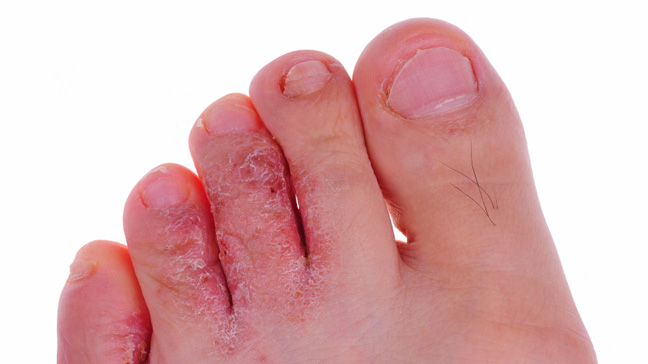
Athlete’s Foot & other Infections

Unmasking Foot Surgery Myths: Fact vs. Fiction

By Blog No Comments

When it comes to foot health, there are often misconceptions and myths surrounding foot surgery. Whether you’re considering foot surgery in Chesham or seeking a foot specialist near you, it’s essential to have accurate information. This is because it is crucial to make informed decisions about your foot care. Thus in this blog, we will debunk common foot surgery myths, provide up-to-date statistics. We’ll also introduce you to Bucksfoot, a trusted foot specialist offering expert care. Keep reading to learn more.

Myth 1: Foot Surgery Is Always Painful and Risky

Fact: One of the most common misconceptions about surgery is that it is always associated with pain and risks. However, with advancements in medical technology and surgical techniques, surgery has become increasingly safe and less invasive. In fact, many foot procedures are performed on an outpatient basis, allowing for a quicker recovery time and minimal discomfort. According to recent statistics, the success rate of foot surgeries has significantly increased, providing patients with long-term relief from various foot conditions.

Myth 2: Foot Surgery Is the Only Solution for Foot Problems

Fact: While surgery may be necessary for certain conditions, it is not always the first or only solution. A qualified foot specialist, such as Bucksfoot, will explore non-surgical treatments and conservative approaches before recommending surgery. They will assess your specific foot condition, provide a comprehensive diagnosis, and develop a personalised treatment plan tailored to your needs. From orthotic devices and physical therapy to medication and lifestyle modifications, various non-surgical options can effectively manage and improve many foot problems.

Myth 3: Recovery from Foot Surgery Takes Forever

Fact: Another common misconception is that recovery from surgery is a long and arduous process. While each case is unique, advancements in surgical techniques and post-operative care have significantly reduced recovery times. With proper guidance from your foot specialist and adherence to the recommended post-operative instructions, you can expect a smoother and faster recovery. Physical therapy, exercises, and gradual weight-bearing activities are essential components of the recovery process and can help regain mobility and function.


Don't suffer from foot pain any longer

Book your appointment with Bucks Foot Clinic

Book Appointment

Myth 4: Any Podiatrist Can Perform Foot Surgery

Fact: Surgery requires specialised knowledge and expertise. It is crucial to seek a qualified and experienced foot specialist for any surgical procedures related to your feet. Bucksfoot, a reputable foot specialist in Chesham, has a team of highly skilled podiatrists who are trained in advanced foot surgical techniques. They have extensive experience in diagnosing and treating various foot conditions, ensuring that you receive the highest standard of care throughout your Surgery journey.

Myth 5: Foot surgery is expensive and not covered by insurance.

Fact: The cost of surgery can vary depending on the specific procedure and individual circumstances. However, health insurance plans often cover many foot surgeries. It is advisable to consult with your insurance provider and foot specialist to understand the coverage options and associated costs.

Myth 6: Foot surgery is only for severe conditions and injuries.

Fact: Foot surgery is not limited to severe cases; it can address a wide range of foot conditions. In fact, according to data from the National Health Service (NHS), surgery is performed for various conditions, including bunions, hammertoes, plantar fasciitis, and neuromas, with over 60,000 foot surgeries performed annually in the UK.

Myth 7: Foot surgery results are temporary, and the condition may recur.

Fact: Surgery aims to address the underlying cause of foot problems, providing long-lasting results. According to a recent survey conducted by the American Orthopaedic Foot & Ankle Society (AOFAS), more than 90% of patients reported a significant improvement in their foot condition post-surgery, with a recurrence rate as low as 10%.

Say goodbye to foot pain

Unveiling the Expertise of Bucksfoot: Your Specialist for Foot Surgery in Chesham

Bucksfoot’s professional foot specialists near you, are here to provide foot care tailor-made to your specific needs. With a team of highly skilled podiatrists, Bucksfoot offers comprehensive foot evaluations, accurate diagnoses, and personalised treatment plans. As a reputable foot specialist near you, Bucksfoot combines years of expertise with advanced medical technology to ensure the highest standard of care. Whether you’re seeking relief from foot pain, require specialised treatments, or need guidance on foot  options, Bucksfoot’s got you. And we’re here to support you on your journey to optimal foot health. So trust us, your go-to specialist for foot  in Chesham, for all your foot care needs.

Conclusion

To summarise, don’t let myths and misconceptions deter you from seeking the care you need for your foot problems. Moreover, with Bucksfoot, a trusted foot specialist near you, you can receive expert foot care. Also, we’re here to help you debunk the myths surrounding surgery in Chesham and spread awareness. Thus, by choosing an experienced foot specialist and exploring all options, you can find the most effective treatment plan for your foot condition. So take the first step towards healthier feet by scheduling a consultation with Bucksfoot, your reliable partner in foot care. Visit our website to learn more.

Foot Surgery Myths FAQ

Q. Is foot surgery always extremely painful?
A. No. Modern pain management techniques, local anesthetics, nerve blocks, and post-operative medications effectively control pain. Most patients report manageable discomfort rather than severe pain.

Q. Will I be bedridden for months after foot surgery?
A. No. Recovery varies by procedure, but many patients walk with protective boots or crutches within days. Complete recovery typically takes weeks to months, not indefinite bed rest.

Q. Is foot surgery only for severe cases?
A. No. Surgery is considered when conservative treatments fail, pain affects quality of life, or deformities worsen. Early intervention can prevent complications and improve outcomes.

Q. Will my foot look deformed after surgery?
A. No. Surgeons prioritize both function and aesthetics. Modern techniques minimize scarring, restore normal appearance, and improve foot structure and alignment.

Q. Can I ever wear normal shoes again after foot surgery?
A. Yes. Once fully healed, most patients return to regular footwear, though supportive shoes with proper fit are always recommended for long-term foot health.

Q. Is foot surgery recovery unbearably long?
A. Not necessarily. Minor procedures may heal in weeks, while major surgeries take months. Following post-operative instructions and physical therapy speeds recovery significantly.

Q. Will foot problems always come back after surgery?
A. Not if you address underlying causes. Wearing proper footwear, maintaining healthy weight, doing prescribed exercises, and following podiatrist recommendations prevent recurrence.

Q. Is foot surgery risky with high complication rates?
A. No. Foot surgery is generally safe with experienced surgeons. Complications are rare, and most can be prevented or managed effectively with proper care and follow-up.

Q. Do I have to try every treatment before considering surgery?
A. Not always. While conservative treatments are typically tried first, some conditions benefit from earlier surgical intervention. Your podiatrist will recommend the best approach for your situation.

Q. Will I lose mobility permanently after foot surgery?
A. No. Surgery aims to restore or improve mobility. Physical therapy and rehabilitation help regain strength, flexibility, and function, often exceeding pre-surgery capabilities.
ingrown or fungal toenails

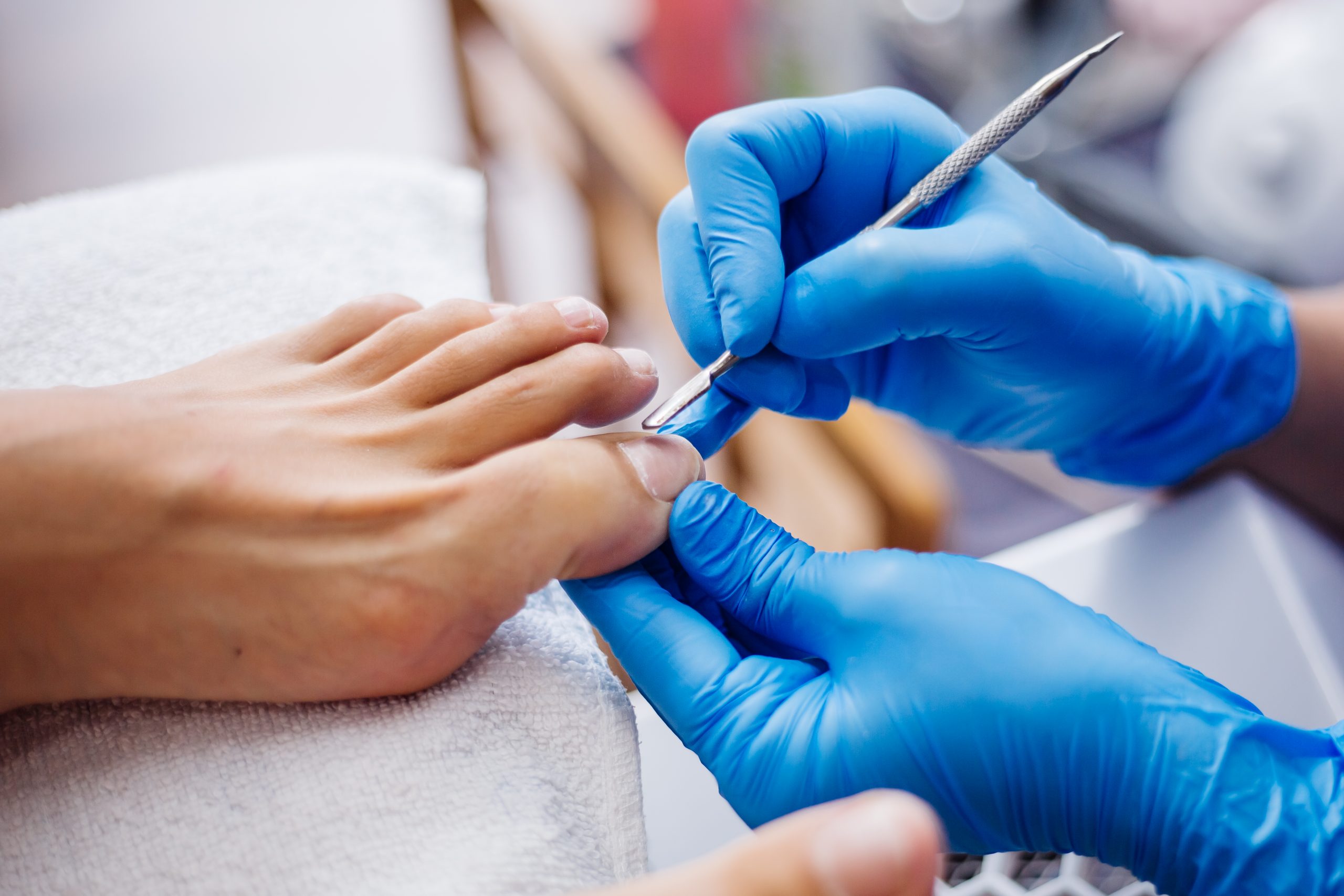
What’s It Like Dealing with Ingrown or Fungal Toenails?

By Blog No Comments

Dealing with painful ingrown toenails and stubborn fungal infections can be frustrating and affect your daily activities. Thus, recognizing the appearance of toe fungus or ingrown toenails is crucial for timely intervention and effective management. In this blog, we will explore what toe fungus looks like and discuss best ingrown toenail remedies in Amersham. We’ll also highlight where to find the best ingrown toenails cure near you, and provide valuable insights on ingrown toenail management. Keep reading to learn more.

Understanding the Appearance of Toenail Fungus

Onychomycosis, commonly known as toenail fungus, is a prevalent ailment that impacts numerous individuals. According to recent statistics, approximately 8% of the population in the UK suffer from toenail fungus. Additionally, this prevalence increases with age, with individuals over 60 years old being more susceptible to developing the infection.

Discolored nails: Infected toenails often display a yellowish or brownish discoloration.

Thickened nails: Fungal infections can cause the nails to become thick and brittle.

Deformed or misshapen nails: Over time, the infected nails may become distorted in shape.

Crumbly texture: Infected nails may appear crumbly or powdery in texture.

Dark spots or streaks: In some cases, black or dark spots or streaks may be present on the nails.


Studies show that toenail fungus is more common in men than women, with a higher prevalence among individuals who frequently visit public swimming pools, gyms, and communal shower areas. Poor foot hygiene, wearing tight-fitting shoes, and having a weakened immune system also contribute to the increased risk of contracting toenail fungus.

Fortunately, there are effective treatment options available for toenail fungus. Antifungal medications, both oral and topical, are commonly prescribed to combat the infection and promote nail regrowth. In severe cases, surgical intervention may be necessary to remove the infected nail.

Don't suffer from foot pain any longer

Book your appointment with Bucks Foot Clinic

Book Appointment

Ingrown Toenails Remedies by Amersham’s Finest Podiatrists

Ingrown toenails can be a painful and bothersome condition that affects many individuals. Fortunately, there are several remedies and self-care techniques that can help alleviate discomfort and promote healing. Here are some effective remedies for ingrown toenails:

  1. Soak the affected foot: Begin by soaking your foot in warm water for about 15-20 minutes, two to three times a day. This helps soften the skin and reduce inflammation, making it easier to gently manipulate the toenail.
  2. Proper nail trimming: Trim your toenails straight across, avoiding rounded or pointed edges. Be cautious not to cut them too short, as this can increase the risk of ingrown toenails.
  3. Lift the nail: Using a clean cotton ball or dental floss, gently lift the ingrown edge of the nail away from the skin. This helps create space for the nail to grow outwards and reduces pressure on the affected area.
  4. Apply topical ointments: Antibacterial creams or ointments can be applied to prevent ingrown toenail infection. These can be easily found at pharmacies or recommended by a healthcare professional.
  5. Wear comfortable footwear: Opt for shoes that provide ample room for your toes and avoid tight-fitting or narrow shoes that can contribute to ingrown toenails. Additionally, opting for open-toed shoes or sandals can help relieve pressure on the toe that is affected..
  6. Use protective padding: Consider using over-the-counter toe protectors or gel cushions to provide cushioning and prevent further irritation to the ingrown toenail.
  7. Avoid self-treatment if the condition worsens: While home remedies can often help improve mild cases of ingrown toenails, it is important to seek professional help if the condition worsens, is accompanied by severe pain, or shows signs of ingrown toenail infection. A healthcare professional, such as a podiatrist, can provide appropriate treatment and care for more severe cases.

Say goodbye to foot pain

Seeking Professional Care at Bucksfoot Clinic in Amersham

If you’re experiencing persistent ingrown toenail infection or fungal toenails, it’s essential to seek professional care. Bucksfoot Clinic in Amersham offers expert podiatry services, including comprehensive evaluation, diagnosis, and treatment options for toenail fungus and ingrown toenails. We’re here to help you find the best ingrown toenails cure near you with personalized fungal toe and ingrown toenail remedies in Amersham.

Conclusion

In conclusion, recognizing the appearance of toe fungus is the first step towards effective management. If you’re in need of an ingrown toenail cure near you, look no further than Bucksfoot Clinic. We specialize in providing effective remedies for ingrown toenails, helping you find relief from discomfort and promote healing. Moreover, our experienced podiatrists are skilled in diagnosing and treating ingrown toenails, offering personalized solutions tailored to your specific needs. Thus, with our expert care and comprehensive treatment options, you can trust us to help you with ingrowing toenail management. So don’t let ingrown toenails disrupt your daily life. Check out Bucksfoot Clinic today and take the first step towards finding the cure you’ve been searching for. Visit our website to learn more.

Ingrown and Fungal Toenails FAQ

Q. What is an ingrown toenail?
A. A condition where the edge of the toenail grows into the surrounding skin, causing pain, redness, swelling, and potential infection, most commonly affecting the big toe.

Q. What causes ingrown toenails?
A. Improper nail trimming, tight shoes, toe injuries, curved nail shape, poor foot hygiene, genetics, and excessive sweating can all contribute to ingrown toenails.

Q. What is a fungal toenail infection?
A. A fungal infection that causes nails to become thick, discolored (yellow, brown, or white), brittle, crumbly, and sometimes detached from the nail bed.

Q. How can I prevent ingrown toenails?
A. Trim nails straight across without rounding corners, avoid cutting too short, wear properly fitted shoes with adequate toe room, maintain good foot hygiene, and protect toes from injury.

Q. What are the symptoms of fungal nail infections?
A. Thickened nails, discoloration, brittleness, distorted nail shape, separation from nail bed, debris buildup under the nail, and sometimes foul odor.

Q. Can I treat ingrown toenails at home?
A. Minor cases can be managed with warm soaks, proper trimming, antibiotic ointment, and avoiding tight shoes. However, see a podiatrist if there’s severe pain, infection, or diabetes.

Q. How are fungal toenail infections treated?
A. Topical antifungal medications, oral antifungal prescriptions, laser therapy, nail removal in severe cases, and consistent treatment over several months for complete clearance.

Q. When should I see a podiatrist for an ingrown toenail?
A. If there’s severe pain, signs of infection (pus, red streaks, fever), recurring problems, diabetes or circulation issues, or if home treatment doesn’t help within a few days.

Q. Are fungal nail infections contagious?
A. Yes. Fungal infections spread through direct contact or contaminated surfaces in moist environments like pools, showers, and locker rooms. Avoid sharing nail tools or footwear.

Q. Can diabetes make ingrown or fungal toenails worse?
A. Yes. Diabetes reduces sensation and circulation, increasing infection risk and slowing healing. Diabetics should see a podiatrist promptly for any toenail problems.

Q. How long does it take to cure a fungal nail infection?
A. Treatment typically takes 3-12 months depending on severity and method. Nails grow slowly, so patience and consistent treatment are essential for complete clearance.

Q. Will ingrown toenails keep coming back?
A. They can if underlying causes aren’t addressed. Proper nail trimming technique, appropriate footwear, and in chronic cases, partial nail removal surgery can prevent recurrence.

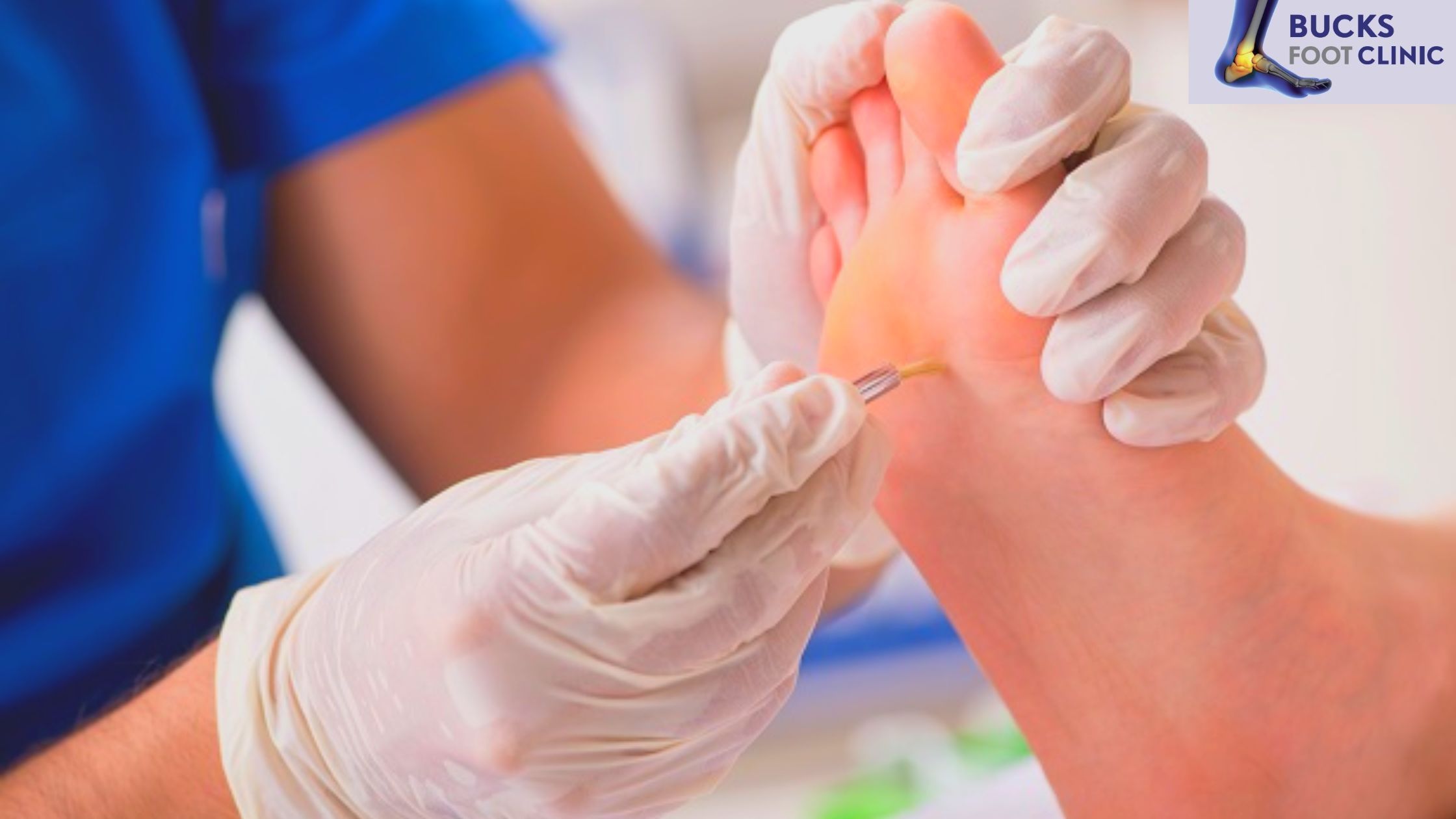
what’s a corn

Foot Corn Treatment & Callus Removal for the Elderly

By Blog No Comments

As we age, our feet require extra care and attention. Corns and calluses are common foot conditions that affect many elderly individuals, causing discomfort and pain. In this blog, we will explore effective foot care strategies to manage corns and calluses in ageing feet. Whether you’re seeking foot corn treatment, corn removal, or home remedies for corns and calluses, we’ve got you covered.

Understanding Corns and Calluses

Corns and calluses are thickened areas of skin that develop in response to repeated pressure or friction. Foot corns often occur on the toes, while calluses typically form on the soles of the feet. These conditions can happen because of ill-fitting footwear, improper foot hygiene, and underlying foot deformities. It is crucial to address corns and calluses promptly to prevent further complications.

Don't suffer from foot pain any longer

Book your appointment with Bucks Foot Clinic

Book Appointment

Foot Care for the Elderly

As we age, prioritising foot care becomes increasingly crucial. Did you know that foot problems are highly prevalent among older adults in the UK? According to a study by the National Center for Biotechnology Information, approximately 20% of elderly individuals experience foot-related issues. These problems can have a significant impact on their quality of life, hindering mobility, balance, and increasing the risk of falls and injuries.

Moreover, Corns and calluses, in particular, are common foot conditions that cause discomfort and pain. Thus, to effectively manage and prevent these ailments, proper foot care is essential.

Effective Corn and Callus Management

Footwear: Wearing well-fitting shoes with ample toe room and cushioning can alleviate pressure on the feet and reduce the risk of developing corns and calluses. Avoid high heels and opt for supportive shoes that provide proper arch support.

Regular Foot Hygiene: Practising good foot hygiene is crucial. Cleanse your feet daily using warm water and gentle soap, ensuring they are completely dry, particularly between the toes.

Moisturization: Keep the skin on your feet adequately moisturised to prevent dryness and cracking. Use a foot cream or lotion that is specifically formulated for dry and sensitive skin.

Corn Pads and Cushions: Over-the-counter corn pads and cushions can provide temporary relief by reducing pressure on corns and calluses. However, it’s important to consult a healthcare professional for proper usage and guidance.

Home Remedies for corns: There are several natural remedies that may help soften and reduce the size of corns and calluses. Soaking your feet in warm water with Epsom salt or applying lemon juice or castor oil to affected areas can offer relief.

Professional Foot Care: In severe cases or when home remedies for corn prove ineffective, seek professional assistance from a podiatrist. They can provide professional corn removal and callus removal techniques tailored to your specific needs.

Say goodbye to foot pain

Bucksfoot Clinic: Your Trusted Foot Care Partner

At Bucksfoot Clinic, we understand the unique foot care needs of the elderly. Our experienced team of podiatrists is dedicated to delivering exceptional care and effective treatments for corns and calluses. We offer a range of services, including foot corn treatment, corn removal, and callus removal. With our expertise and compassionate approach, we strive to improve your foot health and enhance your overall well-being.

Conclusion

Proper foot care is essential for managing corns and calluses in ageing feet. Thus, by following the tips outlined in this blog, you can alleviate discomfort, reduce the risk of complications. Remember, early intervention is key when it comes to corn and callus management. So don’t hesitate to seek professional help for foot care solutions. Take the first step towards healthier and pain-free feet today and book an appointment with Bucksfoot. Visit our website to learn more.

Foot Corn and Callus Treatment for Elderly FAQ

Q. Why are corns and calluses more common in elderly people?
A. Aging causes thinning skin, loss of fatty padding, reduced circulation, decreased mobility, foot deformities, and chronic conditions that increase pressure points and friction on feet.

Q. What are the risks of untreated corns and calluses in seniors?
A. Untreated corns and calluses can cause pain affecting mobility, lead to ulcers especially in diabetics, increase fall risk, cause infections, and significantly reduce quality of life.

Q. Can elderly people safely remove corns and calluses at home?
A. No. Seniors, especially those with diabetes, poor vision, reduced flexibility, or circulation problems, should never attempt self-removal due to high risk of injury and infection.

Q. What professional treatments are available for elderly patients?
A. Podiatrists provide safe debridement with sterile instruments, custom padding, orthotic devices, proper footwear recommendations, moisturizing treatments, and regular maintenance care.

Q. How often should elderly people see a podiatrist for foot care?
A. Generally every 6-8 weeks for routine care, more frequently if there’s diabetes, circulation issues, or active foot problems requiring ongoing treatment and monitoring.

Q. Why shouldn’t seniors use over-the-counter corn removers?
A. These products contain acids that can burn healthy tissue, cause ulcers, lead to infections, and are especially dangerous for those with diabetes, neuropathy, or poor circulation.

Q. What type of footwear helps prevent corns and calluses in elderly?
A. Properly fitted shoes with wide toe boxes, cushioned insoles, good arch support, adjustable closures, non-slip soles, and adequate depth to accommodate deformities without creating pressure.

Q. Can custom orthotics help elderly patients with corns and calluses?
A. Yes. Custom orthotics redistribute pressure, cushion vulnerable areas, accommodate foot deformities, improve balance and stability, and prevent corn and callus formation.

Q. How can family members help elderly relatives with foot care?
A. Assist with daily foot inspections, help apply moisturizer, ensure proper footwear, schedule regular podiatry appointments, monitor for problems, and encourage professional care over self-treatment.

Q. What daily foot care routine is recommended for seniors?
A. Wash feet daily with mild soap and lukewarm water, dry thoroughly especially between toes, apply moisturizer avoiding between toes, inspect for changes, and wear clean supportive socks daily.

Causes of Verrucas

Understanding Symptoms, Treatments & Causes of Verrucas

By Blog No Comments

Verrucas, also known as plantar warts, is a common foot condition that can cause discomfort and annoyance. Therefore, this article will provide you with valuable insights into the symptoms, treatments and causes of verrucas available.
At Bucksfoot Clinic, we specialize in foot health and offer comprehensive care for verrucas. So join us as we explore this foot ailment and provide you with information on how to get rid of a verruca.

Symptoms of Verrucas

Verrucas typically appear on the soles of the feet and may manifest as small, rough, and grainy growths. Common symptoms include:

  • Raised, roughened skin: Verrucas often have a rough surface with a grainy texture.
  • Discoloured spots: The affected area may have small, dark spots within the verruca.
  • Pain or tenderness: Walking or applying pressure on a verruca can cause discomfort or mild pain.
  • Clusters or solitary growths: Verrucas can occur as single lesions or in clusters

Don't suffer from foot pain any longer

Book your appointment with Bucks Foot Clinic

Book Appointment

Causes of Verrucas

The human papillomavirus (HPV), which enters the skin through small cuts or abrasions is the main cause of verrucas. Moreover, HPV thrives in warm, moist environments such as swimming pools, communal showers, and gym locker rooms. Given below are the factors that contribute to increased risk of developing verrucas:

  1. Walking barefoot in public areas: You can contract this virus by walking barefoot in places where it is prevalent, like communal showers and pools, etc.
  2. Weakened immune system: Individuals with a weak immune system, such as those with diabetes or undergoing immunosuppressive treatments, may be more susceptible to verrucas.
  3. Direct contact with contaminated surfaces: Sharing towels, socks, or shoes with someone who has a verruca can increase the risk of infection.
  4. Age and gender: Verrucas are more common in children and young adults, and they tend to affect males slightly more than females.

Treatment Options for Verrucas

  1. Over-the-counter treatments: Pharmacy-bought verruca treatments often contain salicylic acid, which helps remove the verruca over time
  2. Cryotherapy: This treatment involves freezing the verruca with liquid nitrogen, causing it to gradually disappear.
  3. Laser therapy: Laser treatment targets the verruca with high-energy light to destroy the infected tissue.
  4. Surgical removal: In severe cases, surgical excision may be necessary to remove the verruca.

Home Remedies for Verrucas

If you prefer a more natural approach, several home remedies for verrucas can aid in the healing process. These include:

  1. Duct tape occlusion: Applying duct tape to the verruca can suffocate the virus and gradually remove the wart.
  2. Tea tree oil: The antiviral properties of tea tree oil can help fight the virus and promote healing.
  3. Garlic: Crushed garlic cloves applied to the verruca may help eliminate the virus.
  4. Vitamin C: Boosting your immune system with vitamin C-rich foods or supplements may aid in the healing process.

Statistics on Verrucas in the UK

To provide you with a deeper understanding of the prevalence and impact of verrucas in the UK, here are some relevant statistics:

  1. According to a survey conducted by the British Skin Foundation, approximately 15% of the UK population has experienced verrucas at some point in their lives. This translates to millions of individuals who have dealt with this common foot condition.
  2. Verrucas are particularly prevalent among children and young adults in the UK. The highest incidence is observed in the 12-16 age group, with a significant number of cases reported during these years. This age group is often more exposed to communal spaces like swimming pools and changing rooms, where the virus can easily spread.
  3. Public places, including swimming pools, communal showers, and gym locker rooms, account for approximately 90% of verruca infections in the UK. These environments provide the ideal conditions for the human papillomavirus (HPV) to thrive, increasing the risk of contracting verrucas.
  4. The likelihood of developing verrucas can vary depending on various factors. While anyone can get a verruca, certain individuals may be more susceptible. For example, those with weakened immune systems, such as individuals with diabetes or undergoing immunosuppressive treatments, may have a higher risk of developing verrucas.

Therefore, understanding the prevalence and risk factors associated with verrucas is crucial for raising awareness and promoting prevention strategies. Thus, by implementing proper foot hygiene practices, wearing appropriate footwear in public areas, and taking necessary precautions, individuals can minimize their risk of contracting verrucas.

It’s important to note that these statistics are based on available data and surveys conducted in the UK. Although, the actual prevalence and incidence of verrucas may vary slightly across different regions and populations within the country.

Say goodbye to foot pain

Visit Bucksfoot Clinic for Expert Care

At Bucksfoot Clinic, we understand the frustration and discomfort that verrucas can cause. Our experienced team of foot health specialists is dedicated to providing personalized care and effective treatments. Whether you’re looking for professional advice on how to get rid of a verruca or advanced treatments, our clinic is here to support you.

Conclusion

Verrucas can be a bothersome foot condition, but with the right knowledge and treatment options, you can effectively eliminate them. Furthermore, from home remedies for verrucas to professional treatments, a variety of options are available. Although, remember to consult with a podiatrist for an accurate diagnosis and personalized advice based on your specific condition.
Experience relief and regain your foot health with the support of Bucksfoot Clinic. So contact us today to schedule an appointment and take the first step towards a verruca-free future. Visit our website to learn more.

Understanding Verrucas FAQ

Q. What is a verruca?
A. A contagious wart on the foot caused by the human papillomavirus (HPV) that appears as a small, rough, hard growth, often with tiny black dots in the center.

Q. What causes verrucas?
A. The human papillomavirus (HPV) enters through small cuts or breaks in the skin. The virus thrives in warm, moist environments like swimming pools, locker rooms, and communal showers.

Q. What are the symptoms of verrucas?
A. Hard, rough bumps on the sole or toes, small black dots (clotted blood vessels), pain when walking or standing, thickened skin around the area, and flat appearance due to pressure.

Q. How do verrucas spread?
A. Through direct contact with infected skin or contaminated surfaces in moist environments. Walking barefoot in public areas, sharing towels, and touching verrucas can spread the virus.

Q. Are verrucas contagious?
A. Yes. Verrucas are highly contagious and can spread to other parts of your body or to other people through direct contact or contaminated surfaces.

Q. How can I prevent getting verrucas?
A. Wear flip-flops in public showers and pools, avoid walking barefoot in communal areas, don’t share towels or shoes, keep feet clean and dry, and cover any cuts immediately.

Q. What treatments are available for verrucas?
A. Over-the-counter salicylic acid, cryotherapy (freezing), laser therapy, surgical removal, chemical treatments, Swift microwave therapy, and immune-boosting treatments depending on severity.

Q. Do verrucas go away on their own?
A. Sometimes. The immune system can clear verrucas naturally over months or years, but treatment speeds recovery, prevents spreading, and relieves pain.

Q. When should I see a podiatrist for a verruca?
A. If the verruca is painful, spreading, doesn’t respond to over-the-counter treatments, affects walking, bleeds, or if you have diabetes or compromised immunity.

Q. Can I exercise with a verruca?
A. Yes, but cover it with waterproof plaster, avoid barefoot activities, clean and dry feet thoroughly after exercise, and avoid sharing equipment or walking barefoot in gyms.

Q. Why do verrucas have black dots?
A. The black dots are tiny clotted blood vessels that supply the verruca with nutrients. This distinguishes verrucas from other skin conditions like calluses.

Q. Are verrucas painful?
A. They can be, especially when located on weight-bearing areas of the foot. Pressure from walking or standing causes discomfort, though some verrucas are painless.