Corns can be a painful and bothersome condition that affects many individuals, particularly the corns on the toes. If you’re dealing with the discomfort and pain of a verruca or corn, it’s important to understand their differences and treatment options. Understanding the different types of corns and knowing the appropriate treatment options is essential for finding relief and maintaining foot health.
A verruca is a viral infection that appears as a rough, raised growth on the feet, while a corn is a hardened area of skin caused by friction or pressure. At Bucksfoot Clinic, we specialise in treating verrucas and corns with various methods, including cryotherapy, salicylic acid treatments, and orthotics.
In this article, we will explore the various types of corns, their causes, and the available corn treatment options. Whether you are dealing with a verruca or a corn, this guide will provide valuable insights to help you find the right solution.
Types of Corns
1.Hard Corns:
Hard corns are the most common type and typically appear on the tops or sides of the toes. They are characterised by a small, round area of hardened skin that may cause discomfort or pain. Hard corns are often caused by friction or pressure from ill-fitting shoes or abnormal foot structure.
2.Soft Corns:
Soft corns usually develop between the toes where the skin is moist and prone to friction. They appear as white, rubbery lesions and can be painful. Soft corns on toes commonly happen if you wear tight or narrow shoes that squeeze the toes together.
3.Seed Corns:
Seed corns are small, shallow corns that tend to develop on the sole of the foot. They can be painful when under pressure. Seed corns are often caused by dry skin or friction from walking barefoot on hard surfaces.
4.Verrucas or Plantar Warts:
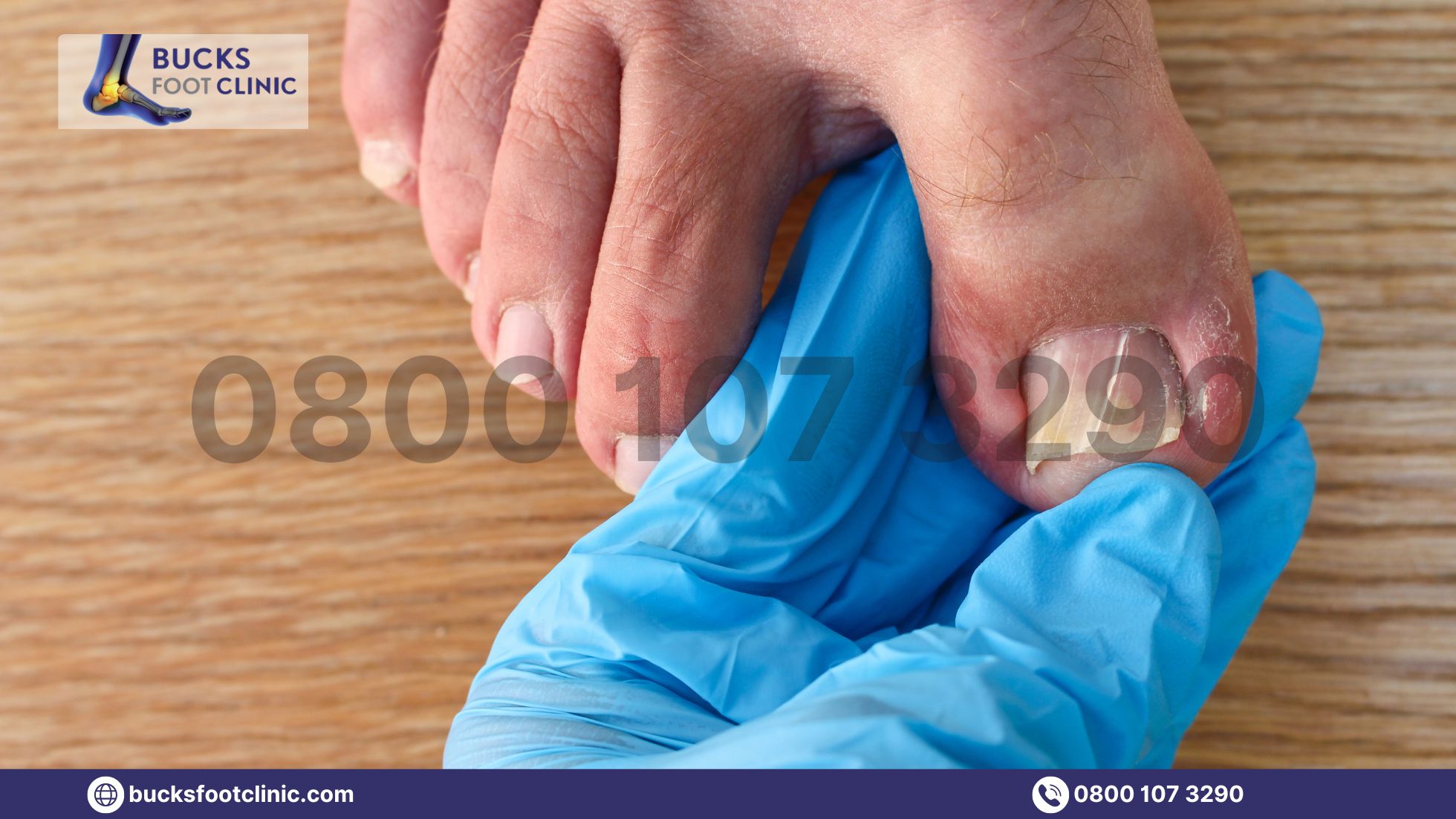
The human papillomavirus (HPV) causes verrucas, or plantar warts. They often have a rough, grainy appearance and may appear as small clusters. Verrucas can be painful, especially when walking or standing. People are often confused whether they’re suffering from verruca or corn because of their similar appearance.
Treatment Options
1. Non-Medicated Treatments:
Non-medicated treatments for corns on toes or anywhere else include soaking the affected area in warm water. After that, use a pumice stone to gently file away dead skin, and apply moisturising creams to soften the corn. These methods can help reduce pain and discomfort associated with corns.
2. Medicated Treatments:
Medicated treatments for corns include over-the-counter corn pads or plasters that contain salicylic acid. These products help dissolve the hardened skin of the corn. It is important to follow the instructions carefully when using medicated treatments.
3. Professional Treatment:
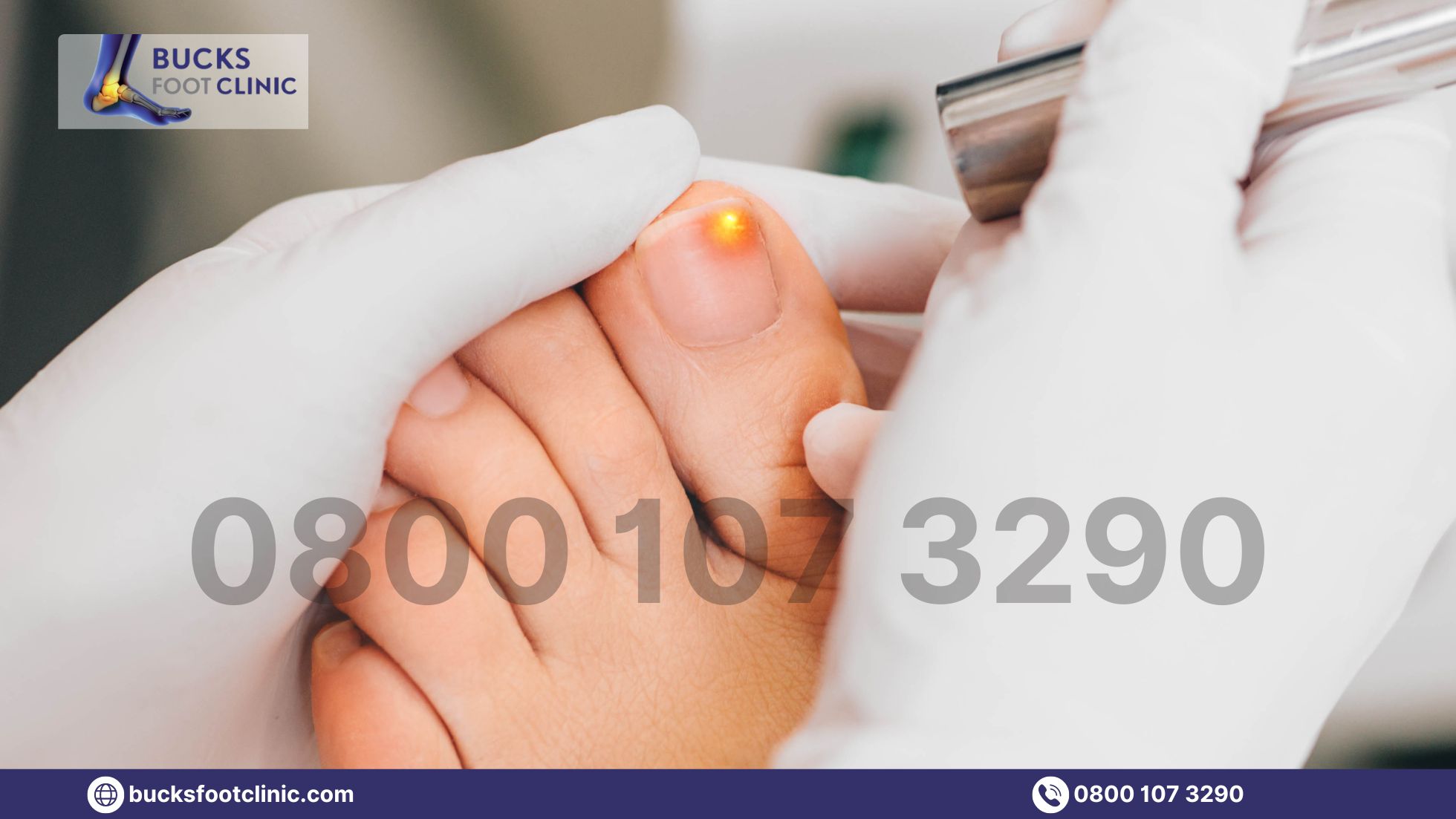
In some cases, professional treatment may be necessary, especially for stubborn or recurring corns. A podiatrist or foot specialist can provide expert advice and perform procedures such as verruca or corn removal. They may also assess your foot structure and recommend orthotic devices or footwear modifications to prevent corns from recurring.
Statistics on Corns in the UK
- According to a study conducted by Public Health England, corns and calluses affect approximately 20% of the UK population.
- The same study revealed that corns and calluses were more prevalent in women compared to men.
Corns are a common foot problem in the UK, affecting a significant portion of the population. According to recent statistics, around 1 in 5 adults in the UK experience corns on their feet. This translates to millions of people dealing with the discomfort and pain caused by corns. Furthermore, statistics indicate that corns are more prevalent among certain age groups. Older adults, particularly those aged 65 and above, are more likely to develop corns due to factors such as reduced skin elasticity and changes in foot structure.
Another noteworthy statistic is the impact of footwear on corn development. Research suggests that ill-fitting shoes and high heels are major contributors to corn formation. In fact, studies show that women are more susceptible to corns compared to men, largely due to their footwear choices.
Why Choose Bucksfoot Clinic?
When it comes to corn treatment and foot care, Bucksfoot Clinic is a trusted name in the UK. With experienced podiatrists and high-quality care, they provide comprehensive treatment options for corns on toes and the rest of the foot. From accurate diagnosis to personalised treatment plans, Bucksfoot Clinic ensures that your feet receive the attention they deserve.
Conclusion
Remember, taking care of your feet is an investment in your overall well-being. Whether you are dealing with a corn on the toes or a verruca, seeking appropriate treatment is essential. Explore treatment options, and prioritise foot health for a comfortable and active lifestyle. With the right approach and guidance from a foot specialist, you can enjoy improved foot health and a pain-free lifestyle. Trust in the expertise of Bucksfoot Clinic to provide you with the highest standard of care for your corn treatment needs. Get expert insights now!
Types of Corns and Treatment Options FAQ
Q. What are the different types of corns?
A. Hard corns (firm, concentrated areas on toe tops), soft corns (whitish, rubbery between toes), seed corns (small, superficial on soles), and vascular/neurovascular corns (with blood vessels or nerves).
Q. What is a hard corn?
A. A thick, hardened area of skin with a dense core, typically found on the tops or sides of toes where bones create pressure against shoes.
Q. What is a soft corn?
A. A whitish, rubbery corn that develops between toes where moisture accumulates, caused by friction between adjacent toes, often very painful despite softer texture.
Q. What causes corns to form?
A. Repeated friction and pressure from ill-fitting shoes, high heels, abnormal foot mechanics, toe deformities like hammertoes, and walking patterns that create excessive pressure points.
Q. How are hard corns treated?
A. Professional debridement by a podiatrist, protective padding, proper footwear with adequate toe room, custom orthotics, and addressing underlying pressure causes.
Q. How do you treat soft corns between toes?
A. Keep area clean and dry, use toe separators or lamb’s wool, wear wider shoes, professional debridement, apply prescribed medications, and maintain proper foot hygiene.
Q. Can I remove corns at home?
A. You can gently file with pumice stone after soaking, but never cut or use sharp objects. Avoid corn removal pads with acids. See a podiatrist for safe professional treatment.
Q. What’s the difference between corns and calluses?
A. Corns are smaller, have a hard center core, and typically develop on toes. Calluses are larger, more diffuse, have no distinct center, and usually form on weight-bearing areas.
Q. Do corns have roots?
A. No. This is a myth. Corns don’t have roots but have a concentrated central core of hard skin that extends deeper into the tissue causing pain.
Q. When should I see a podiatrist for corns?
A. If corns are painful, infected, bleeding, recurring despite home care, or if you have diabetes, poor circulation, or other conditions affecting healing.
Q. Can proper footwear prevent corns?
A. Yes. Shoes with adequate width, cushioning, proper fit, low heels, and roomy toe boxes eliminate friction and pressure that cause corn development.
Q. Will corns come back after treatment?
A. They can if underlying causes like improper footwear, foot deformities, or pressure points aren’t addressed. Prevention requires ongoing proper footwear and foot care.

Recent Comments