
If you’re struggling with dry, painful, or deeply cracked heels, you’re not alone — and you don’t have to put up with it. Cracked heels treatment in Amersham near Gerrards Cross is something our team at Bucks Foot Clinic handles every week, helping local patients walk comfortably again without relying on endless moisturisers that never quite do the job. Whether your heels are mildly rough or have developed deep fissures (cracks that split the skin), professional podiatric care can make a real, lasting difference.
What Causes Cracked Heels?
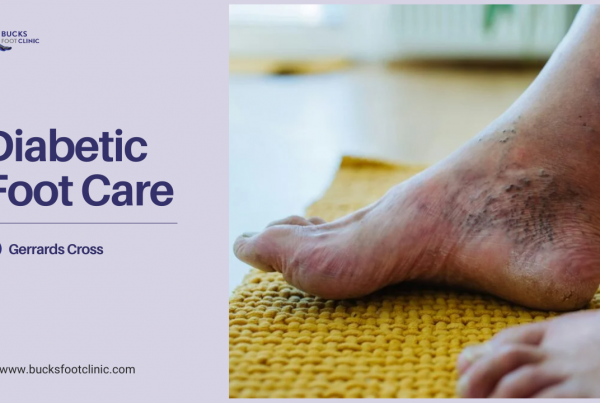
Cracked heels happen when the skin around the heel becomes dry, thickened, and loses its natural elasticity. When pressure is applied — through standing, walking, or simply wearing open-backed shoes — the skin splits rather than stretches.
Several factors contribute to this:
- Prolonged standing on hard floors, especially in jobs like retail or hospitality
- Open-backed footwear such as flip-flops or mules, which allow the heel pad to splay outward
- Dry skin conditions like eczema or psoriasis
- Diabetes, which can reduce circulation and affect skin moisture levels
- Obesity, which increases pressure on the heel pad
- Thyroid disorders, which can cause the skin to become very dry
- Simply not moisturising regularly enough
For many people, cracked heels start as a cosmetic concern — rough, flaky skin that looks unsightly in sandals. But left untreated, they can become genuinely painful and even lead to infection if the fissures break deep enough to bleed.
You don’t have to put up with foot pain or discomfort. Our experienced team is here to help. Expert foot care is just a call away. Contact Bucks Foot Clinic today at 01494 304 849 / 01753 260 207 to book your appointment, or visit bucksfootclinic.com. We have clinics in Gerrards Cross, Amersham, and Old Amersham.
When Should You See a Podiatrist?
Mild dryness can sometimes be managed at home, but there are clear signs that you need professional attention:
- Cracks that are deep, bleeding, or painful to walk on
- Skin that is very thick, yellow, or hardened (this is called callus — a build-up of dead skin)
- No improvement after weeks of using heel balms or foot creams
- You have diabetes or poor circulation — in these cases, even minor heel cracks carry a higher risk of infection and should never be left untreated
If any of these apply to you, it’s time to book in with a qualified podiatrist rather than continuing to self-treat.
What Does Professional Cracked Heel Treatment Involve?
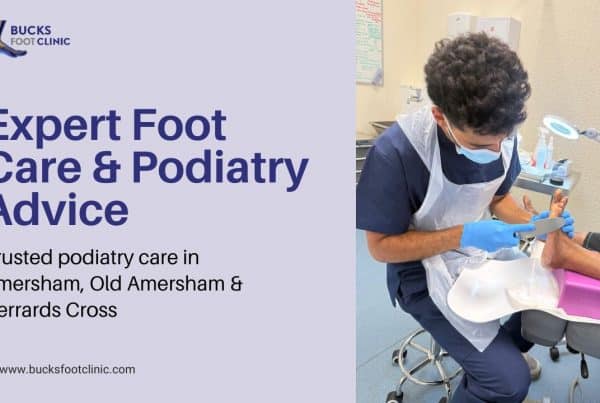
At Bucks Foot Clinic, our HCPC-registered podiatrists carry out a thorough assessment of your heels before recommending any treatment. Here’s what the process typically looks like:
Debridement
This is the clinical term for removing the build-up of hard, thickened skin (callus) that surrounds and deepens heel fissures. Using specialist instruments, your podiatrist carefully reduces the callus — this is painless and often brings immediate relief. Many patients say their heels feel noticeably softer and lighter after just one session.
Moisturising and Emollient Advice
Not all foot creams are equal. Your podiatrist will recommend the right emollient (a skin-softening product) for your skin type and show you how and when to apply it for maximum effect. Urea-based creams — those containing 10–25% urea — are particularly effective for cracked heels as urea draws moisture into the skin and helps break down thickened tissue.
Addressing the Underlying Cause
Treating the crack itself is only part of the picture. Your podiatrist will look at what’s driving the problem — whether that’s footwear choices, gait (the way you walk), skin conditions, or a systemic health issue — and give you tailored guidance to prevent the problem coming back.
Padding and Strapping
In some cases, protective padding around the heel can reduce pressure and allow the skin to heal more quickly between appointments.
For professional advice before the problem worsens, Contact Bucks Foot Clinic
What You Can Do at Home
While professional treatment delivers the best results, there are steps you can take at home to support your heel health:
- Moisturise daily — apply a urea-based heel balm (such as Flexitol or CCS) every evening after washing your feet
- Avoid going barefoot on hard floors, which puts direct pressure on the heel pad
- Wear supportive, enclosed footwear where possible — this keeps the heel pad contained and reduces cracking
- Stay hydrated — skin health starts from within
- Use a pumice stone gently on wet skin to reduce mild surface dryness — but avoid over-filing, which can irritate the skin
Please avoid using razor blades or corn plasters on cracked heels at home. These can cause injury, especially if you have reduced sensation or circulation in your feet.
Cracked Heels and Diabetes: A Special Note
If you have diabetes, cracked heels require prompt professional attention. Diabetes can cause peripheral neuropathy (reduced feeling in the feet) and poor circulation, which means a small crack can develop into a serious wound before you even notice pain. Our podiatrists at Bucks Foot Clinic are experienced in diabetic foot care and provide safe, thorough treatment with this in mind. Please don’t delay — contact us as soon as you notice any heel changes.
Why Choose Bucks Foot Clinic?
Bucks Foot Clinic is a trusted local podiatry clinic with two convenient locations — at 18 Woodside Road, Amersham HP6 6AJ and 14 Station Road, Gerrards Cross SL9 8EL. Our HCPC-registered podiatrists bring over 10 years of combined clinical experience to every appointment, treating patients with care, precision, and genuine warmth.
We offer same-week appointments, so you don’t have to wait weeks in discomfort. Our patients consistently leave us five-star Google reviews — not because we ask them to, but because they walk out feeling genuinely better. Whether your cracked heels are a minor irritation or a painful daily problem, we’ll assess, treat, and guide you with a plan that actually works for your life.
We serve patients from across Amersham, Gerrards Cross, Chesham, Beaconsfield, Chorleywood, and the surrounding areas. If you’ve been searching for effective cracked heels treatment near you, Bucks Foot Clinic is right on your doorstep.
You don’t have to put up with foot pain or discomfort. Our experienced team is here to help. Expert foot care is just a call away. Contact Bucks Foot Clinic today at 01494 304 849 / 01753 260 207 to book your appointment, or visit bucksfootclinic.com. We have clinics in Gerrards Cross, Amersham, and Old Amersham.