Diabetic Foot Care in Old Amersham: Why Your Annual Check Matters More Than You Think
Diabetes affects your feet in ways you often can’t feel until a problem is already serious. That’s exactly why diabetic foot care in Old Amersham is one of the most important, and most overlooked, parts of managing the condition well. A regular check with a podiatrist catches issues weeks or months before you’d notice them yourself — and that early warning can be the difference between a minor treatment and a hospital admission.
How Diabetes Affects Your Feet
Diabetes can damage the feet in two main ways, and understanding both explains why professional checks matter so much.
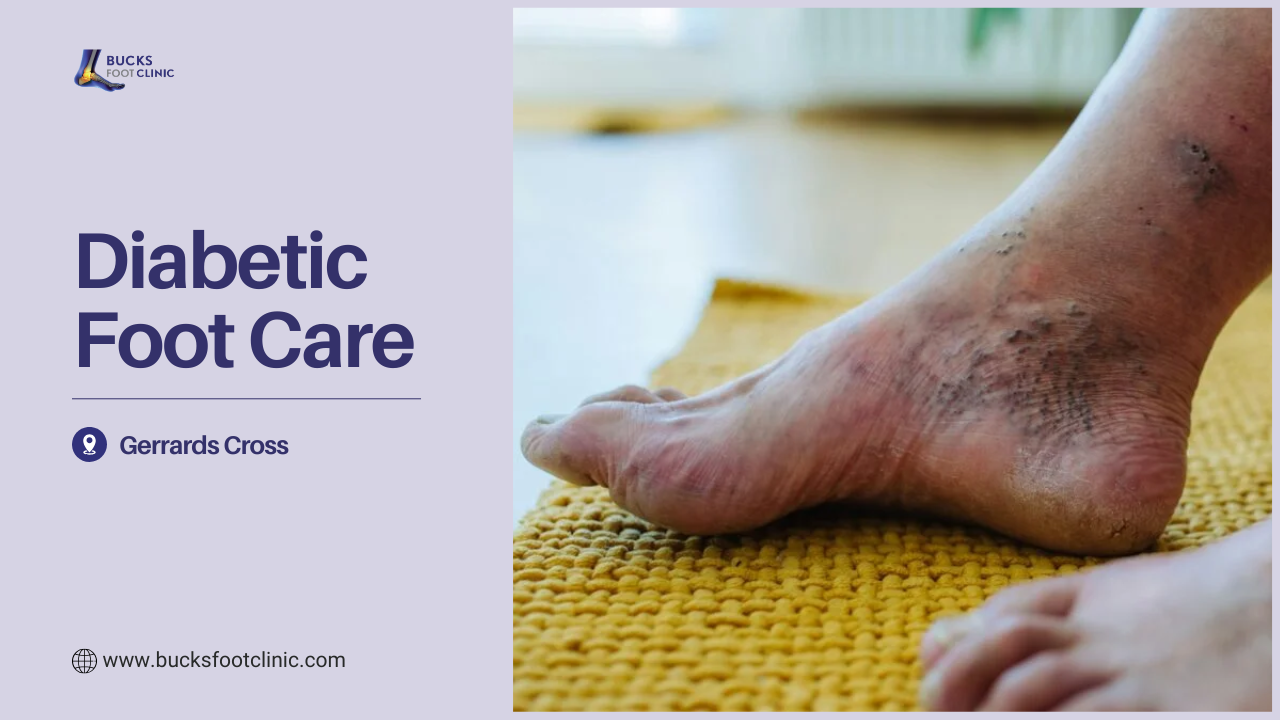
Neuropathy (nerve damage) reduces sensation in the feet, so cuts, blisters, and areas of pressure can go completely unnoticed. Angiopathy (damage to blood vessels) reduces circulation, which slows healing and makes even small injuries more likely to develop into ulcers or infections.
Put those two together and you have a genuinely difficult combination: you can’t always feel that something’s wrong, and your body struggles to heal it once it is. That’s why routine, professional foot checks are considered essential diabetes care, not an optional extra.
You don’t have to put up with foot pain or discomfort. Our experienced team is here to help. Expert foot care is just a call away. Contact Bucks Foot Clinic today at 01494 304 849 / 01753 260 207 to book your appointment, or visit bucksfootclinic.com. We have clinics in Gerrards Cross, Amersham, and Old Amersham.
How to Prevent Diabetic Foot Complications
Good daily habits, alongside professional check-ups, dramatically reduce the risk of serious problems.
- Check both feet every morning and evening — use a mirror for the soles if needed.
- Keep blood sugar within your target range, since high glucose accelerates nerve and vessel damage.
- Wear well-fitted, cushioned shoes and seamless socks, and check inside shoes for debris before putting them on.
- Wash feet daily in lukewarm water and dry thoroughly, especially between the toes.
- Trim nails straight across, never digging into the corners.
- Never use razors or over-the-counter callus removers on hard skin — leave this to a professional.
- Stay active and avoid smoking, both of which support healthy circulation.
Why Home Care on Its Own Isn’t Enough
Even the most careful daily routine has a blind spot: you can’t spot what you can’t feel. Reduced sensation means the early signs of a pressure sore, a small cut, or a developing infection can be missed for days or weeks, by which point treatment becomes far more involved.
Managing calluses, ingrown nails, and other structural issues on diabetic feet also carries real risk if attempted at home, since even a minor nick can be slow to heal and quick to become infected. Professional care uses sterile equipment and trained clinical judgement to manage these safely.
For professional advice before the problem worsens, Contact Bucks Foot Clinic
Our Diabetic Foot Care Service in Old Amersham
At Bucks Foot Clinic, our HCPC-registered podiatrists — with 10+ years of combined experience — carry out thorough diabetic foot assessments at our Old Amersham clinic, based at Rectory Meadow Surgery.
A full assessment includes sensory testing (checking for early nerve damage), a circulation check, and a visual inspection for pressure points, cracked skin, or early ulceration. We also provide safe nail and callus care, advice on footwear that protects vulnerable areas, and custom orthotics where pressure needs to be redistributed. If we spot anything that needs urgent attention, we refer you promptly to your GP or the relevant specialist team.
Frequently Asked Questions
Q1. How often should I have a diabetic foot check?
NICE guidelines recommend at least one check per year for everyone with diabetes. If you already have reduced sensation or circulation issues, checks every three to six months are usually advised — we’ll confirm what’s right for you.
Q2. Is diabetic foot care available on the NHS?
Annual NHS diabetic foot checks are usually available through your GP or diabetes service. Many patients also choose private appointments with us for more frequent monitoring or added flexibility around timing.
Q3. What are the warning signs I should never ignore?
Any cut, blister, area of redness, swelling, or discolouration that doesn’t improve within a day or two needs prompt attention — particularly if you can’t feel it clearly.
Q4. What happens if I already have an ulcer or infection?
Contact us straightaway. Diabetic foot ulcers need urgent care, and we work closely with GPs and hospital teams to manage them and prevent complications.
Q5. Can podiatry really prevent amputation?
Regular professional foot care is one of the most effective ways to catch problems early, and early treatment is what prevents minor issues turning into major ones. It’s a genuinely protective habit, not just routine maintenance.
Book Your Diabetic Foot Assessment in Old Amersham
If you have diabetes and haven’t had a professional foot check in the last year, now is the time — not after something starts to hurt.
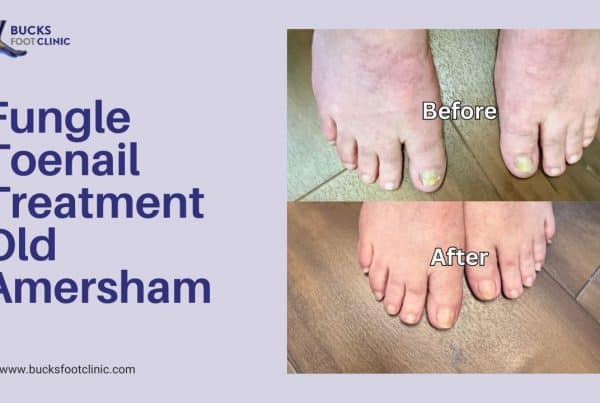
For related foot care information, read our Fungal Toenail Treatment in Old Amersham guide or visit our Old Amersham clinic page.
You don’t have to put up with foot pain or discomfort. Our experienced team is here to help. Expert foot care is just a call away. Contact Bucks Foot Clinic today at 01494 304 849 / 01753 260 207 to book your appointment, or visit bucksfootclinic.com. We have clinics in Gerrards Cross, Amersham, and Old Amersham.