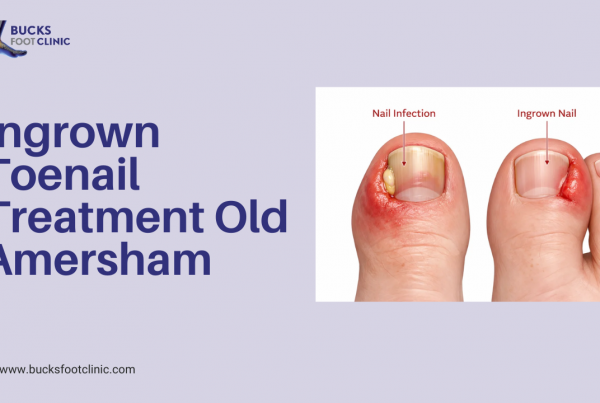
Onychocryptosis, another name for an ingrown toenail, is brought on by the nail’s edge encroaching onto the toe’s flesh. This is most frequently brought by round nail clipping, which causes the nails to grow back into the toe skin. When the nail’s edge pierces the skin, it typically causes swelling, pain, and, if it is not treated appropriately, it may also result in an infection.
Ingrown toenails can start as a minor irritant but may develop into an infection, a bone condition, or a reoccurring issue. You actually increase your risk of getting an ingrown toenail whenever you clip toenails that are shorter on the outer edges of your toes. Also, there are various remedies that help improve ingrown toenail condition. People even try to look up “how to get rid of an ingrown toenail overnight” online to find anything that can help. Thus, we’ve put together this article that contains the basic know-how of ingrown toenails and remedies that can be quite effective for this condition as well. Read on to learn more.
Can an Ingrown Toenail heal by itself?
Sadly, the ingrown nails are prone to becoming infected, which can cause unpleasant side effects or allow the infection to spread. Early diagnosis and treatment of your ingrown nail promotes faster healing and lowers the risk of infection. Ingrown toenails can also be a recurring issue, therefore the best course of action is to treat them right soon.
It is imperative that an ingrown toenail doesn’t stay untreated because it can have serious complications if the condition escalates. In a nutshell, if an ingrown toenail is infected, it can progress into a bone disorder. In this case, you may require immediate medical assistance.
Causes of Ingrown Toenails
Even while your nails have a tendency to curl as they develop, an ingrown toenail is more frequently caused by poor care or footwear habits. Among the most probable causes are as follows:
1. Too-long or too-short toenail trimming 2. Nail damage
3. Shoes that are either small or too tight and crush your big toe
4. Rounding or angling the tip of your toenail
5. Negligent foot care
6. A few sports, like skiing and dancing
Home Remedies for Improving Ingrown Toenail Condition
For those wondering how to get rid of an ingrown toenail overnight, here are some popular remedies that can help you:
Epsom Salt Remedy
Soaking the affected toe into an Epsom salt bath is one of the quickest and simplest treatments to treat an ingrown toenail. The ideal technique to accomplish this is to submerge the injured toe into the water while applying Epsom salt to the area. The toenail that has lodged itself in the skin will be partially softened and dissolved by the Epsom salt as it absorbs into the skin. Epsom salt is very effective at minimising localised inflammation and pain.
Soaking feet in the water
You can soften a nail that is hurting your toe by dipping your feet in a warm tub of water. The discomfort decreases and the possibility of removing the damaged areas of the nail substantially rises once the toenail is softer. After bathing your feet in warm water for approximately twenty to thirty minutes, try using tweezers to attempt and remove the problematic area of the nail.
Dental Floss & Cotton
The nail can be more easy to remove from the skin-deep areas by using cotton and orthodontic floss. After you give your feet a soak and added some Epsom salt, wrap the affected region in cotton. When you finish, you can pluck out pieces of the nail with dental floss by cleaning it out. As it’s an area that is delicate, take care not to be too rough on the skin.
Try wearing open-toed footwear until the nail lengthens a little bit if wearing shoes with socks hurts your toe. Also, Do not try to cut the ingrown portion of your nail yourselves unless you can see the outer edge of it clearly, and never attempt to get rid of the ingrown portion of your nail. Check for indications of an infection as your ingrown toenail heals if you’re treating it at home. Read the blog on “treating ingrown toenails and other foot conditions” for better understanding.
When to seek Medical Assistance?
Mild toenail ingrowth can naturally disappear as the nail itself grows out. Ingrown toenails that are severe or infected, though, need immediate treatment from a doctor.
Understanding the symptoms of an ingrown toenail infection will help you determine when a visit to the doctor is necessary. Typical signs include:
1. Drainage, such as pus or blood
2. Considerable swelling
3. Heat
4. Intensifying pain
It’s important that you visit a podiatrist as soon as possible if you think your toe has infection, poor circulation, etc so the infection doesn’t progress and turn into something more serious.
Conclusion
To sum up, one can try improving ingrown toenails issues at home. Although in some cases that is not something you’d like to take a risk with. We hope this article enables you to understand how to get rid of an ingrown toenail overnight as well. Finally, if you wish to receive the best in class care for your feet, check out Bucksfoot. Visit our website to learn more.
Improving Ingrown Toenail Condition FAQ
Q. What causes ingrown toenails?
A. Improper nail trimming (cutting too short or rounding corners), tight or narrow shoes, toe injuries, naturally curved nails, genetics, poor foot hygiene, and excessive sweating.
Q. How should I properly trim my toenails to prevent ingrown nails?
A. Cut nails straight across without rounding corners, leave them slightly long (even with toe tip), use proper nail clippers not scissors, file edges smooth, and avoid cutting into corners.
Q. Can I treat mild ingrown toenails at home?
A. Yes, if caught early and without infection. Soak feet in warm water with Epsom salt, gently lift nail edge, place cotton underneath, apply antibiotic ointment, and wear roomy shoes.
Q. What home remedies help ingrown toenails?
A. Warm water soaks 3-4 times daily, Epsom salt baths to reduce swelling, gentle massage around the nail, cotton wedge placement under nail edge, and proper footwear selection.
Q. What type of shoes should I wear with an ingrown toenail?
A. Wide toe box shoes with plenty of room, open-toed sandals when possible, soft flexible materials, avoid high heels and pointed toes, and ensure proper length without crowding.
Q. When should I see a podiatrist for an ingrown toenail?
A. If there’s severe pain, signs of infection (pus, red streaks, fever), recurring problems, difficulty walking, diabetes or circulation issues, or no improvement after home treatment.
Q. What are signs of an infected ingrown toenail?
A. Increased redness and swelling, pus or yellow drainage, warmth and tenderness, red streaks extending from toe, throbbing pain, fever, and foul odor.
Q. Can tight socks cause ingrown toenails?
A. Yes. Tight socks compress toes and push nails into surrounding skin. Wear properly fitted, breathable socks with adequate toe room and avoid elastic that’s too tight.
Q. How can I prevent ingrown toenails from recurring?
A. Trim nails correctly, wear properly fitted shoes, keep feet clean and dry, avoid trauma to toes, wear protective footwear during activities, and address any foot deformities.
Q. What professional treatments are available?
A. Nail edge removal (partial nail avulsion), antibiotics for infection, permanent nail removal for chronic cases (matrixectomy), proper trimming technique instruction, and footwear recommendations.
Q. Should I use over-the-counter ingrown toenail products?
A. Use with caution. Some products soften nails temporarily but don’t address the root cause. Avoid sharp instruments or chemical removers. Consult a podiatrist for persistent problems.
Q. Can exercises or stretches help prevent ingrown toenails?
A. While exercises don’t directly prevent them, toe flexibility exercises, proper foot mechanics, and maintaining healthy weight reduce pressure on toes and overall foot stress.