Many people find that their toenail hurts when pressed. There are a few foot conditions which can affect the toenail among which are ingrown toenails and nail fungus. Nail fungus is also a widely spread condition, if you see that the side of the toenail hurts and it’s not ingrown then it may be because of nail fungus. Anyone of any age is impacted by nail issues. Except in cases of serious malnutrition, diet is usually not to blame for erratic nail deviations. Moreover, you can easily tackle various such issues using some remedies and self-medication. Although some of these issues require professional care from a doctor or dermatologist. Thus, if in uncertainty, consult a doctor.
Anyone can be affected by toenail issues, but elderly individuals tend to experience them more frequently. Injuries, infections, and skin conditions including psoriasis and eczema are some of the common reasons for fingernail issues. An infection, poor circulation, poorly fitting shoes, trauma, poor nerve supply, are some of the causes for toenail problems. A doctor who specialises in podiatry may effectively tackle issues with toenails. In this article, we’ll learn about some toenail conditions and help you find answers to your frequently asked questions “Why does my toenail hurt?”. Keep reading to learn more.
A Nail’s Structure
Keratin, a type of protein, is used to make nails. The protein complex which forms up both hair and skin is the same. Cells inside the nail’s foundation increase, stack on top of one another, and solidify to form nails. It’s known as keratinisation.
Our parents’ qualities are reflected in the strength, the thickness, and pace of development of our nails. The nail’s structural components include:
1.Nail matrix.
It is the area beneath the layers of skin behind the nail where the nail grows. Nail Plate. The exterior or the visible aspect of the nail is called the nail plate.
2.Nail Bed.
The nail plate is placed on top of the nail bed. Due to blood-rich capillaries in the nail bed, the nail plate appears pink.
3.Lunula.
It has a shape of a crescent moon and it occasionally appears at the bottom of the nail plate.
4.Nail Folds.
They’re the narrow skin folds holding the nail plate in place.
5.Cuticle.
The thin tissue flap that covers the nail plate’s base is the cuticle.
Toenail Problems and Symptoms
Numerous toenail deformities exist, and they can result in anywhere from inflammation to a shift in the appearance of the toenail.
Below are some typical toenail issues along with their origins and signs:
Fungal Toenail
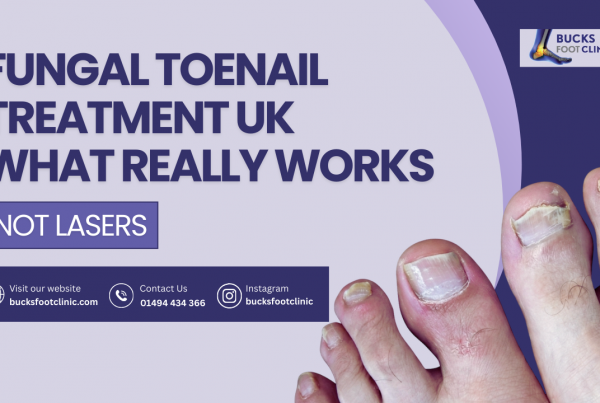
Onychomycosis, sometimes known as nail fungus, is a frequent ailment. You are more prone to experience it as you get older. This virus affects 50 percent of adults over the age of 70.
A white or yellow patch under a toenail’s tip can be the first thing you notice. Your nail will thicken and lose colour as the bacterial infection spreads more into the nail.
Additionally, the nail’s edge may grow jagged and shatter, spreading to surrounding toenails. Also, it may spread to the nearby skin. You can contract toenail fungus if you have any fungal infection of your feet. Moreover, walking barefoot in places where someone else has walked with the illness, like saunas or swimming pools can also lead to toenail fungus.
Below are some symptoms for fungal toenails:
- Discoloured (white or yellow) toenails
- Thickening
- Out of shape toenails
- Brittle and crumbly nails
- Foul smell coming from the toenails
Ingrown Toenail
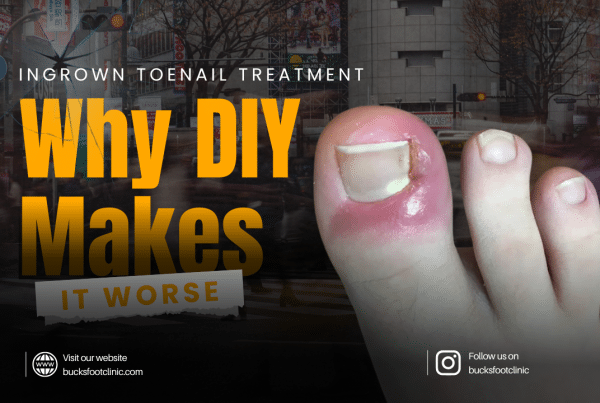
among the many prevalent and excruciating toenail issues is an ingrown nail. It happens when your toenail’s edge or side grows into your skin.
This may be because of:
- Trimming the toenails too short
- Damaging your toenail
- Having toenails that are particularly large or curved genetically
Symptoms
The following symptoms could occur when you suffer from an ingrown toenail:
- Pus dripping from the toenail
- Redness and soreness down the side of the nail.
Nail Trauma
Numerous things can cause toenail trauma, including:
- Toe Stubs
- Wearing uncomfortable and poorly fitting shoes
- Picking your nails
Running, ballet, poorly done pedicures, etc are all activities that can harm the toenail.
A subungual hematoma, which happens because of blood accumulation under the nail, can develop after a toe suffers injury. A completely or partially detached nail or damage to the basal bone are examples of additional harm.
Symptoms of toenail trauma can include anything from a torn nail, pain and throbbing to bleeding, thickening and discolouration.
What should I do when dealing with a Toenail Problem?
Before searching “why does my toenail hurt?” or “the side of toenail hurts but not ingrown” online, examine your issue first. Information on the internet can often be vague and intimidating if it doesn’t come from practising professionals.
Moreover, there are also various home remedies for simple foot conditions like a small toenail trauma or an ingrown toenail, etc. Thus, if the problem seems minor, you can deal with it on your own. However, for senior individuals and people with poor circulation problems such as diabetes, etc, it is better to consult a doctor first.
Conclusion
To sum up, dealing with toenail problems isn’t as complicated as one may think of it to be. Finally, if you wish to receive the best foot care and treatment, check out Bucksfoot. Visit our website to learn more.
Toenail Side Pain FAQ
Q. Why does the side of my toenail hurt if it’s not ingrown?
A. Pain can result from paronychia (nail fold infection), trauma or bruising, tight footwear pressure, nail bed inflammation, fungal infections, or underlying bone or joint issues.
Q. What is paronychia?
A. An infection of the skin around the nail (nail fold) causing redness, swelling, tenderness, and sometimes pus, often resulting from bacteria entering through small cuts or hangnails.
Q. Can tight shoes cause toenail side pain?
A. Yes. Shoes that are too narrow or tight compress the nail edges against surrounding tissue, causing inflammation, bruising, and persistent pain without actual nail ingrowth.
Q. How does trauma cause toenail side pain?
A. Stubbing toes, dropping objects, or repetitive pressure from running damages tissue around the nail, causes bruising and inflammation, leading to tenderness and pain.
Q. What are the symptoms of nail fold infection?
A. Redness and warmth around the nail, swelling and tenderness, throbbing pain, pus or drainage, and increased discomfort when touching or pressing the affected area.
Q. How can I treat toenail side pain at home?
A. Soak feet in warm water with Epsom salt several times daily, wear roomy comfortable shoes, apply antibiotic ointment if there’s minor infection, keep area clean and dry, and avoid tight socks.
Q. When should I see a podiatrist for this pain?
A. If pain worsens or persists beyond a few days, there are signs of infection, swelling increases, you have diabetes or poor circulation, or home treatment doesn’t provide relief.
Q. Can fungal infections cause pain on the nail side?
A. Yes. Fungal infections can cause nail thickening, inflammation of surrounding tissue, pressure on nail folds, and pain even without visible ingrowth into the skin.
Q. What professional treatments are available?
A. Antibiotics for bacterial infections, antifungal medications, proper nail trimming technique, draining abscesses if present, addressing footwear issues, and treating underlying conditions.
Q. How can I prevent toenail side pain?
A. Wear properly fitted shoes with adequate width, trim nails straight across, avoid cutting too short or rounding corners, protect toes from injury, maintain good hygiene, and moisturize carefully.
Q. Could the pain indicate a more serious condition?
A. Sometimes. Persistent unexplained pain could indicate gout, arthritis, bone issues, circulatory problems, or other conditions requiring medical evaluation and proper diagnosis.