Ingrown toenails are a very common foot condition that plague the masses. But do you have a toenail that is painful to the touch or is causing you discomfort, but it isn’t ingrown? If so, you are not alone. Many people experience this type of pain, and it can be frustrating trying to figure out what is causing it. There are several potential reasons for this type of pain, and understanding them can help you address the issue.
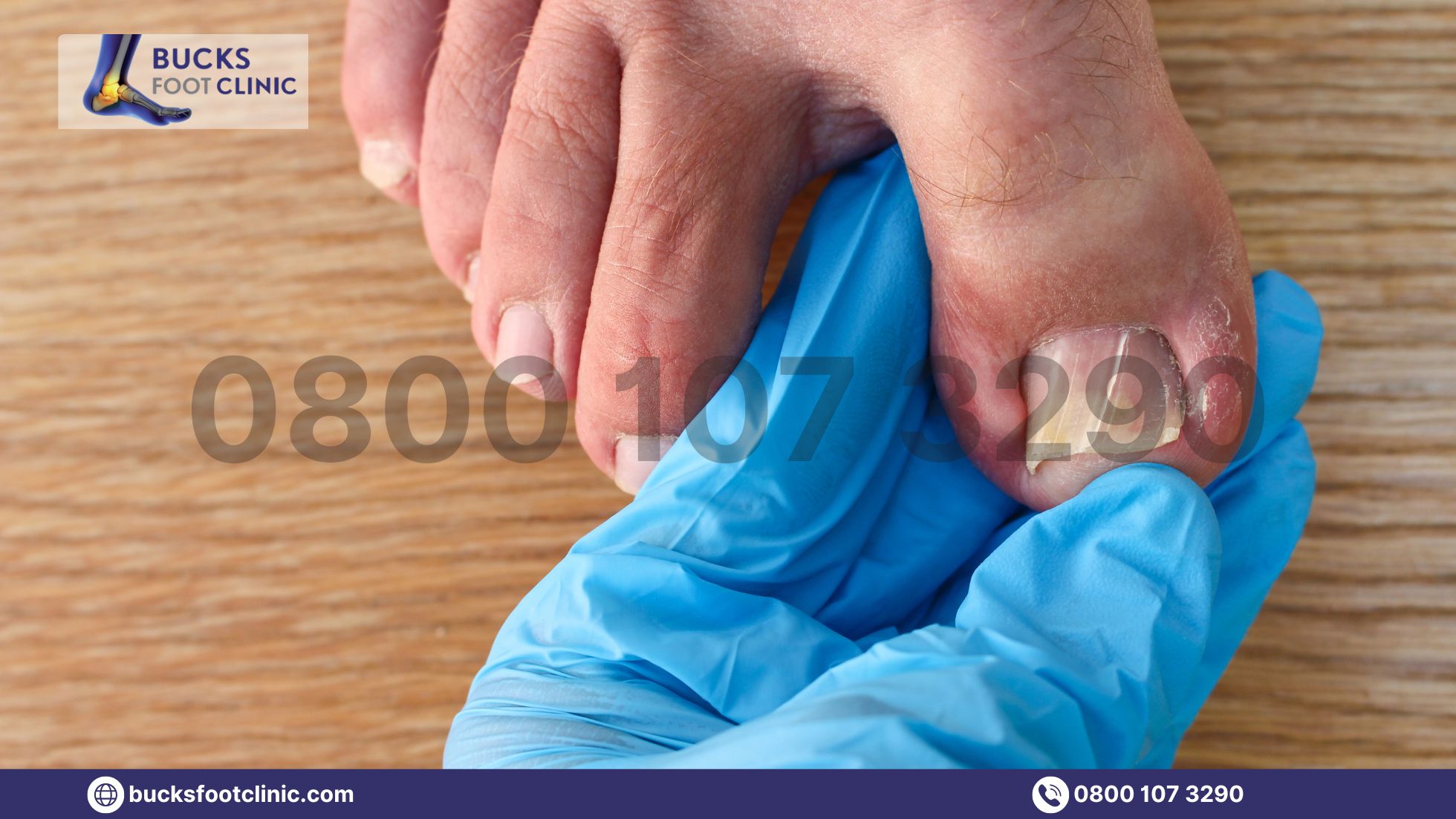
Toenails can be a source of pain for many different reasons, including fungal infections, trauma, and other medical conditions. When the pain is localized to the side of the nail and not the nail itself, it is often referred to as “paronychia,” which is an infection or inflammation of the skin that surrounds the nail. In this article, we’ll learn about these various causes of toenail pain and pain relief methods. Keep reading to learn more.
What are the various causes of Toenail Pain?
Toenail pain can be caused by various factors, including:
1. Ingrown toenail: An ingrown toenail occurs when the edge or corner of a toenail penetrates the adjacent soft tissue, leading to discomfort, inflammation, and redness. Poor nail trimming technique, tight footwear, or foot injury are common factors contributing to the development of ingrown toenails.
2. Trauma: Dropping a heavy object on your toe, stubbing your toe, or other forms of trauma can cause pain in the toenail.
3. Fungal infections: Fungal infections can cause toenail pain, especially if left untreated. The presence of the infection can lead to the thickening, discoloration, and brittleness of the toenail.
4. Bacterial infections: Bacterial infections can also cause toenail pain, often accompanied by swelling, redness, and discharge.
5. Psoriasis: Psoriasis is a chronic skin condition that can cause thick, discolored patches on the skin, including the toenails. In severe cases, psoriasis can cause toenail pain and damage.
6. Arthritis: Arthritis is a condition that causes joint inflammation and pain. It can affect the joints in the toes and cause toenail pain.
7. Gout: Gout is a type of arthritis caused by a buildup of uric acid crystals in the joints. It can cause sudden, severe pain in the toes and toenails.
8. Neuroma: A neuroma is a benign growth of nerve tissue that can cause pain, numbness, and tingling in the toes and toenails.
9. Tight-fitting shoes: Shoes that are too tight or narrow can cause toenail pain, especially if worn for extended periods of time.
10. Foot deformities: Foot deformities such as bunions, hammertoes, and flat feet can cause toenail pain and discomfort.
What can I do Toenail pain relief?
So, what can you do if you are experiencing pain on the side of your toenail? Below are some suggestions to relieve the discomfort.:
1. Soak your foot in warm water: Soaking your foot in warm water for 15-20 minutes can help reduce inflammation and ease pain. You can also add Epsom salts or essential oils to the water to further enhance the benefits.
2. Keep the affected area clean and dry: Keeping the affected area clean and dry can help prevent infection and promote healing. Be sure to dry your feet thoroughly after bathing or swimming, and avoid wearing tight or restrictive footwear.
3. Apply an anti-fungal cream: If your pain is caused by a fungal infection, an antifungal cream may help alleviate your symptoms. These creams can be purchased over-the-counter at most drug stores.
4. Use over-the-counter pain relievers: Over-the-counter pain relievers such as ibuprofen or acetaminophen can help reduce pain and inflammation. Make sure to adhere to the dosage instructions provided on the package.
5. Seek medical attention: If your pain persists or is accompanied by other symptoms such as fever or swelling, it is important to seek medical attention. Your physician can assist in identifying the root cause of your discomfort and suggesting suitable remedies.
In some cases, surgery may be necessary to alleviate pain on the side of the toenail. This may involve removing part of the nail or the surrounding tissue to alleviate pressure and promote healing.
Who can help with my Toenail problems?
A podiatrist, also known as a foot doctor, can help with toenail problems. Podiatrists specialize in the diagnosis, treatment, and prevention of conditions affecting the feet, including toenail problems such as ingrown toenails, fungal infections, and other issues. They can provide a variety of treatments, including medications, surgical procedures, and advice on proper foot care. If you are experiencing toenail problems, it’s a good idea to consult with a podiatrist for an accurate diagnosis and appropriate treatment.
Conclusion
In conclusion, pain on the side of the toenail can be a frustrating and uncomfortable experience. However, understanding the potential causes of this pain and taking steps to address it can help alleviate your symptoms and promote healing. Finally, if you wish to receive the finest treatment for your toenail problems, call Bucksfoot. Visit our website to learn more.
Toenail Side Pain FAQ
Q. Why does the side of my toenail hurt if it’s not ingrown?
A. Pain can result from paronychia (nail fold infection), trauma or bruising, tight footwear pressure, nail bed inflammation, fungal infections, or underlying bone or joint issues.
Q. What is paronychia?
A. An infection of the skin around the nail (nail fold) causing redness, swelling, tenderness, and sometimes pus, often resulting from bacteria entering through small cuts or hangnails.
Q. Can tight shoes cause toenail side pain?
A. Yes. Shoes that are too narrow or tight compress the nail edges against surrounding tissue, causing inflammation, bruising, and persistent pain without actual nail ingrowth.
Q. How does trauma cause toenail side pain?
A. Stubbing toes, dropping objects, or repetitive pressure from running damages tissue around the nail, causes bruising and inflammation, leading to tenderness and pain.
Q. What are the symptoms of nail fold infection?
A. Redness and warmth around the nail, swelling and tenderness, throbbing pain, pus or drainage, and increased discomfort when touching or pressing the affected area.
Q. How can I treat toenail side pain at home?
A. Soak feet in warm water with Epsom salt several times daily, wear roomy comfortable shoes, apply antibiotic ointment if there’s minor infection, keep area clean and dry, and avoid tight socks.
Q. When should I see a podiatrist for this pain?
A. If pain worsens or persists beyond a few days, there are signs of infection, swelling increases, you have diabetes or poor circulation, or home treatment doesn’t provide relief.
Q. Can fungal infections cause pain on the nail side?
A. Yes. Fungal infections can cause nail thickening, inflammation of surrounding tissue, pressure on nail folds, and pain even without visible ingrowth into the skin.
Q. What professional treatments are available?
A. Antibiotics for bacterial infections, antifungal medications, proper nail trimming technique, draining abscesses if present, addressing footwear issues, and treating underlying conditions.
Q. How can I prevent toenail side pain?
A. Wear properly fitted shoes with adequate width, trim nails straight across, avoid cutting too short or rounding corners, protect toes from injury, maintain good hygiene, and moisturize carefully.
Q. Could the pain indicate a more serious condition?
A. Sometimes. Persistent unexplained pain could indicate gout, arthritis, bone issues, circulatory problems, or other conditions requiring medical evaluation and proper diagnosis.