Ingrown Toenail vs Paronychia
Your toe is painful, red, and swollen. You suspect an ingrown toenail vs paronychia, but could it be something else? Paronychia, a common infection around the nail, often presents with similar symptoms to ingrown toenails, leading to confusion and inappropriate self-treatment. Understanding the differences between these conditions is crucial for selecting the right treatment approach and preventing complications.
At Bucks Foot Clinic, we regularly see patients who’ve been treating the wrong condition, prolonging their discomfort unnecessarily. If you’re uncertain which condition you have, contact us on 01494 434366 for accurate diagnosis.
Understanding Each Condition
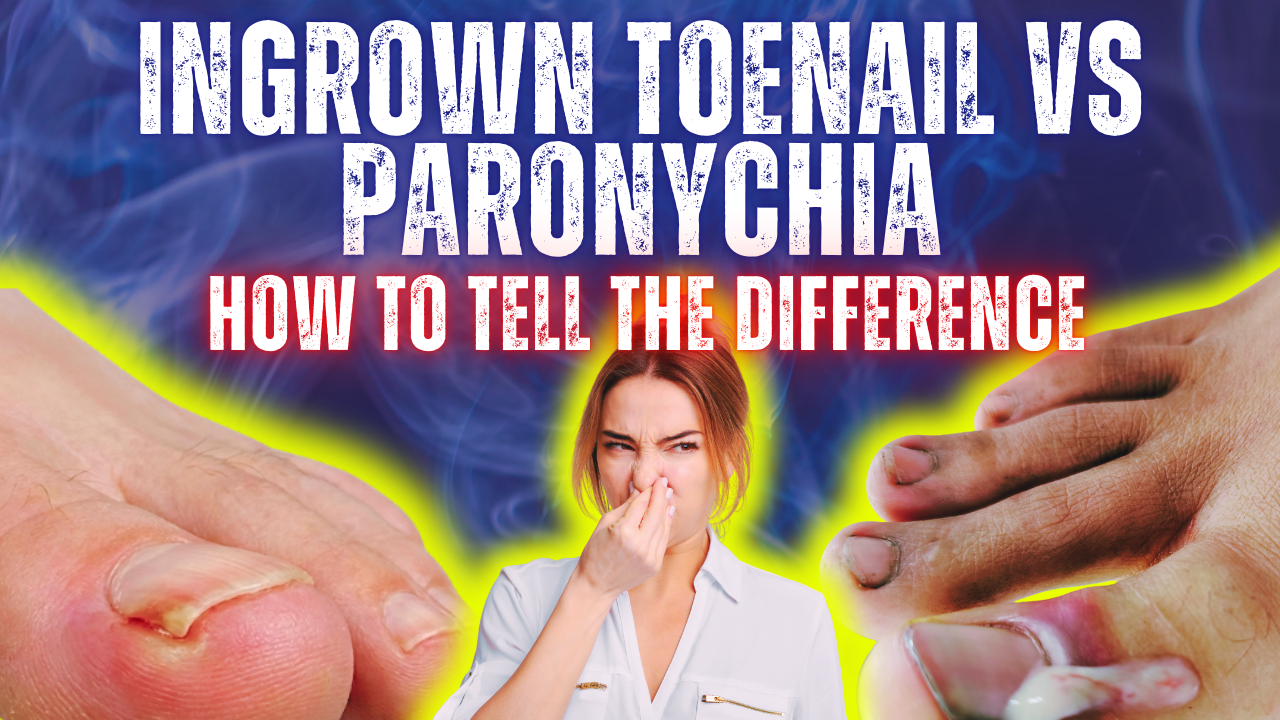
An ingrown toenail (onychocryptosis) occurs when the nail edge grows into the surrounding skin rather than over it, creating a puncture wound that becomes inflamed, painful, and often infected. Common causes include improper nail cutting, tight footwear, trauma, genetic predisposition to curved nails, and excessive sweating. Symptoms include pain along one or both nail sides (most commonly the big toe), redness and swelling, visible nail edge penetrating the skin, bleeding, and if infected, pus discharge.
Paronychia is a bacterial or fungal infection of the skin around the nail, affecting the nail fold that frames and supports the nail. It can be acute (developing suddenly) or chronic (persistent or recurring). Common causes include bacterial infection entering through skin breaks, fungal infection in chronic cases, nail biting, frequent water exposure, trauma to the nail fold, and manicure injuries. Symptoms include swelling and redness around the entire nail or specific nail fold area, tenderness, warmth, pus-filled abscess along the nail edge, and in chronic cases, thickened or discoloured nails.
Key Differences
Location of pain and swelling differs significantly. Ingrown toenails cause pain specifically where the nail edge penetrates the skin, usually on one or both nail sides. Paronychia causes swelling and tenderness around the entire nail fold, often affecting the cuticle area and sides simultaneously.
Visible nail involvement is present with ingrown toenails, where you can often see the nail edge embedded in the swollen skin. With paronychia, the nail edge isn’t growing into the skin; instead, infection affects the surrounding skin folds.
Development speed can help distinguish them. Acute paronychia develops rapidly (hours to days), whilst ingrown toenails typically develop more gradually, though they can become secondarily infected. These conditions can coexist an ingrown toenail can lead to secondary paronychia infection, complicating the clinical picture.
Prevention Strategies
Proper nail cutting technique is essential cut toenails straight across, not curved, leaving them slightly longer than the toe tip. Appropriate footwear with adequate toe room prevents pressure contributing to ingrown nails. Good hand and foot hygiene prevents bacterial and fungal infections. Avoid nail biting and picking at skin around nails. Moisturise carefully but avoid excessive moisture around nails, as chronic paronychia often affects people whose hands or feet are frequently wet. Protect against injury with appropriate footwear during activities, and inspect nails regularly for early problem detection.
Why Self-Diagnosis Is Problematic
Misdiagnosis leads to inappropriate treatment—treating paronychia as an ingrown toenail (or vice versa) delays effective treatment and can worsen the condition. Inadequate infection management occurs when bacterial infections require prescription antibiotics but are treated with over-the-counter remedies instead. “Bathroom surgery” risks are significant, with many people attempting to cut out ingrown toenails themselves, leading to severe infections and increased pain. Delayed professional treatment allows conditions to progress, potentially requiring more extensive intervention. Underlying conditions like diabetes or immune system problems may be missed.
Professional Treatment
Podiatrists accurately diagnose your condition through clinical examination. Ingrown toenail treatment may include conservative care for mild cases or partial nail avulsion under local anaesthetic for severe cases. For recurring problems, permanent correction prevents future episodes. Paronychia treatment depends on whether it’s acute bacterial or chronic fungal infection, potentially requiring drainage and prescription antibiotics or antifungal medication. Pain-free procedures are ensured through local anaesthesia, with comprehensive aftercare instructions and follow-up care to ensure complete resolution.
At Bucks Foot Clinic, we combine clinical expertise with compassionate care, ensuring you receive the most effective treatment in a comfortable environment.
The Bottom Line
Whilst ingrown toenails and paronychia share similar symptoms, they’re distinct conditions requiring different treatment approaches. Accurate diagnosis is essential for effective treatment and preventing recurrence. Attempting to self-diagnose and treat often leads to prolonged discomfort and increased complication risks.
At Bucks Foot Clinic, our experienced podiatrists quickly distinguish between these conditions and provide targeted treatment that resolves your problem efficiently. Don’t waste time guessing what’s wrong or trying inappropriate treatments. Contact Bucks Foot Clinic today on 01494 434366 to schedule your consultation for accurate diagnosis and appropriate treatment.