Dealing with painful ingrown toenails and stubborn fungal infections can be frustrating and affect your daily activities. Thus, recognizing the appearance of toe fungus or ingrown toenails is crucial for timely intervention and effective management. In this blog, we will explore what toe fungus looks like and discuss best ingrown toenail remedies in Amersham. We’ll also highlight where to find the best ingrown toenails cure near you, and provide valuable insights on ingrown toenail management. Keep reading to learn more.
Understanding the Appearance of Toenail Fungus
Onychomycosis, commonly known as toenail fungus, is a prevalent ailment that impacts numerous individuals. According to recent statistics, approximately 8% of the population in the UK suffer from toenail fungus. Additionally, this prevalence increases with age, with individuals over 60 years old being more susceptible to developing the infection.
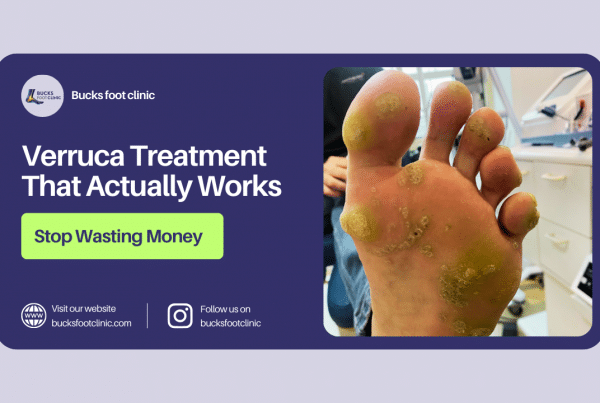
Discolored nails: Infected toenails often display a yellowish or brownish discoloration.
Thickened nails: Fungal infections can cause the nails to become thick and brittle.
Deformed or misshapen nails: Over time, the infected nails may become distorted in shape.
Crumbly texture: Infected nails may appear crumbly or powdery in texture.
Dark spots or streaks: In some cases, black or dark spots or streaks may be present on the nails.
Studies show that toenail fungus is more common in men than women, with a higher prevalence among individuals who frequently visit public swimming pools, gyms, and communal shower areas. Poor foot hygiene, wearing tight-fitting shoes, and having a weakened immune system also contribute to the increased risk of contracting toenail fungus.
Fortunately, there are effective treatment options available for toenail fungus. Antifungal medications, both oral and topical, are commonly prescribed to combat the infection and promote nail regrowth. In severe cases, surgical intervention may be necessary to remove the infected nail.
Ingrown Toenails Remedies by Amersham’s Finest Podiatrists
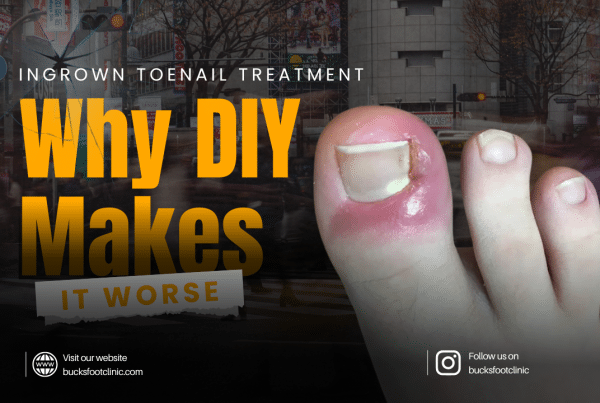
Ingrown toenails can be a painful and bothersome condition that affects many individuals. Fortunately, there are several remedies and self-care techniques that can help alleviate discomfort and promote healing. Here are some effective remedies for ingrown toenails:
- Soak the affected foot: Begin by soaking your foot in warm water for about 15-20 minutes, two to three times a day. This helps soften the skin and reduce inflammation, making it easier to gently manipulate the toenail.
- Proper nail trimming: Trim your toenails straight across, avoiding rounded or pointed edges. Be cautious not to cut them too short, as this can increase the risk of ingrown toenails.
- Lift the nail: Using a clean cotton ball or dental floss, gently lift the ingrown edge of the nail away from the skin. This helps create space for the nail to grow outwards and reduces pressure on the affected area.
- Apply topical ointments: Antibacterial creams or ointments can be applied to prevent ingrown toenail infection. These can be easily found at pharmacies or recommended by a healthcare professional.
- Wear comfortable footwear: Opt for shoes that provide ample room for your toes and avoid tight-fitting or narrow shoes that can contribute to ingrown toenails. Additionally, opting for open-toed shoes or sandals can help relieve pressure on the toe that is affected..
- Use protective padding: Consider using over-the-counter toe protectors or gel cushions to provide cushioning and prevent further irritation to the ingrown toenail.
- Avoid self-treatment if the condition worsens: While home remedies can often help improve mild cases of ingrown toenails, it is important to seek professional help if the condition worsens, is accompanied by severe pain, or shows signs of ingrown toenail infection. A healthcare professional, such as a podiatrist, can provide appropriate treatment and care for more severe cases.
Seeking Professional Care at Bucksfoot Clinic in Amersham
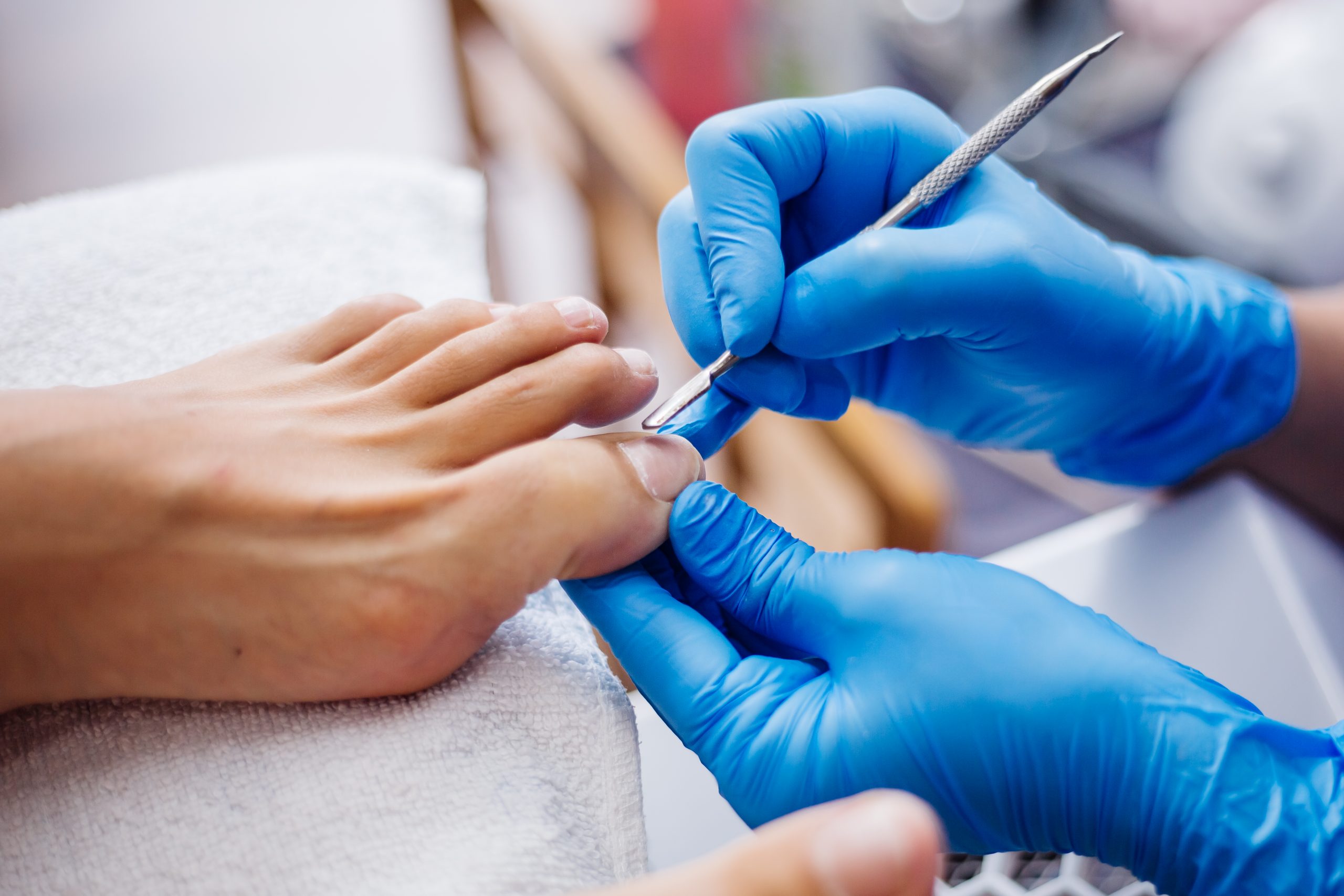
If you’re experiencing persistent ingrown toenail infection or fungal toenails, it’s essential to seek professional care. Bucksfoot Clinic in Amersham offers expert podiatry services, including comprehensive evaluation, diagnosis, and treatment options for toenail fungus and ingrown toenails. We’re here to help you find the best ingrown toenails cure near you with personalized fungal toe and ingrown toenail remedies in Amersham.
Conclusion
In conclusion, recognizing the appearance of toe fungus is the first step towards effective management. If you’re in need of an ingrown toenail cure near you, look no further than Bucksfoot Clinic. We specialize in providing effective remedies for ingrown toenails, helping you find relief from discomfort and promote healing. Moreover, our experienced podiatrists are skilled in diagnosing and treating ingrown toenails, offering personalized solutions tailored to your specific needs. Thus, with our expert care and comprehensive treatment options, you can trust us to help you with ingrowing toenail management. So don’t let ingrown toenails disrupt your daily life. Check out Bucksfoot Clinic today and take the first step towards finding the cure you’ve been searching for. Visit our website to learn more.
Ingrown and Fungal Toenails FAQ
Q. What is an ingrown toenail?
A. A condition where the edge of the toenail grows into the surrounding skin, causing pain, redness, swelling, and potential infection, most commonly affecting the big toe.
Q. What causes ingrown toenails?
A. Improper nail trimming, tight shoes, toe injuries, curved nail shape, poor foot hygiene, genetics, and excessive sweating can all contribute to ingrown toenails.
Q. What is a fungal toenail infection?
A. A fungal infection that causes nails to become thick, discolored (yellow, brown, or white), brittle, crumbly, and sometimes detached from the nail bed.
Q. How can I prevent ingrown toenails?
A. Trim nails straight across without rounding corners, avoid cutting too short, wear properly fitted shoes with adequate toe room, maintain good foot hygiene, and protect toes from injury.
Q. What are the symptoms of fungal nail infections?
A. Thickened nails, discoloration, brittleness, distorted nail shape, separation from nail bed, debris buildup under the nail, and sometimes foul odor.
Q. Can I treat ingrown toenails at home?
A. Minor cases can be managed with warm soaks, proper trimming, antibiotic ointment, and avoiding tight shoes. However, see a podiatrist if there’s severe pain, infection, or diabetes.
Q. How are fungal toenail infections treated?
A. Topical antifungal medications, oral antifungal prescriptions, laser therapy, nail removal in severe cases, and consistent treatment over several months for complete clearance.
Q. When should I see a podiatrist for an ingrown toenail?
A. If there’s severe pain, signs of infection (pus, red streaks, fever), recurring problems, diabetes or circulation issues, or if home treatment doesn’t help within a few days.
Q. Are fungal nail infections contagious?
A. Yes. Fungal infections spread through direct contact or contaminated surfaces in moist environments like pools, showers, and locker rooms. Avoid sharing nail tools or footwear.
Q. Can diabetes make ingrown or fungal toenails worse?
A. Yes. Diabetes reduces sensation and circulation, increasing infection risk and slowing healing. Diabetics should see a podiatrist promptly for any toenail problems.
Q. How long does it take to cure a fungal nail infection?
A. Treatment typically takes 3-12 months depending on severity and method. Nails grow slowly, so patience and consistent treatment are essential for complete clearance.
Q. Will ingrown toenails keep coming back?
A. They can if underlying causes aren’t addressed. Proper nail trimming technique, appropriate footwear, and in chronic cases, partial nail removal surgery can prevent recurrence.