Cracked Heels Are More Than a Cosmetic Problem: When to Worry
Cracked heels are one of those foot problems that people dismiss as purely cosmetic, something to deal with before sandal season and ignore the rest of the year. But cracked heels treatment is among the most searched foot health topics in the UK, with searches surging by 84% in recent months. And there’s a reason for that: for many people, cracked heels aren’t just unsightly. They’re painful, persistent, and occasionally a sign of something more serious.
What Causes Cracked Heels?
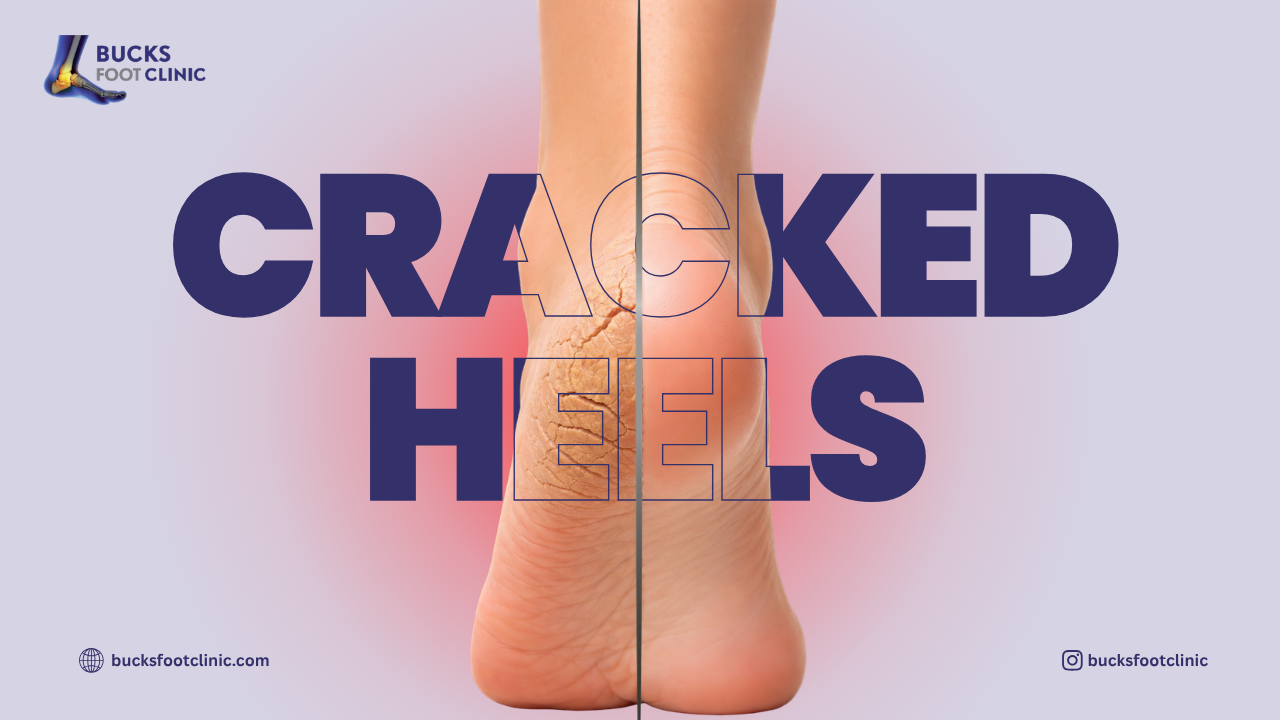
Your heel skin is naturally thicker than skin elsewhere on your body because it bears your full weight with every step. When this skin becomes excessively dry, it loses its elasticity. As you walk, the fat pad under your heel expands sideways under pressure, and if the surrounding skin isn’t supple enough to accommodate this movement, it splits, creating fissures.
Several factors accelerate this process: prolonged standing, open-backed shoes that allow the heel to expand freely, dry indoor air (particularly during winter), certain skin conditions like eczema and psoriasis, underactive thyroid, and simply not moisturising your feet regularly. Being overweight increases pressure on the fat pad, making cracks more likely. Importantly, diabetes can also cause excessively dry skin on the feet due to autonomic neuropathy affecting sweat gland function.
When Cracked Heels Become a Medical Concern
Superficial dryness that responds to regular moisturising is generally manageable at home. But deep fissures that bleed, cause pain when walking, or show signs of infection (redness, warmth, swelling, discharge) need professional attention. For people with diabetes, even minor cracks in the skin represent a significant risk because reduced sensation (peripheral neuropathy) may mean you don’t feel the damage, and poor circulation can delay healing. What seems like a simple cracked heel can escalate into a serious ulcer or infection.
Struggling with this problem? Call Bucks Foot Clinic on 01494 304 849 or book online at bucksfootclinic.com for expert advice and treatment.
How to Prevent Cracked Heels
- Moisturise your heels daily with a urea-based cream (at least 10% urea) this is significantly more effective than standard body lotions
- Apply moisturiser after bathing when the skin is still slightly damp to lock in hydration
- Avoid open-backed shoes and sandals if you’re prone to cracking, as they allow excessive heel expansion
- Use a pumice stone gently on damp skin (never dry) once or twice a week to manage hard skin buildup before it becomes problematic
- Stay hydrated your skin’s moisture levels are influenced by your overall hydration
- Avoid standing for long periods without breaks, and use supportive footwear with enclosed heels
- If you have diabetes, inspect your feet daily and moisturise religiously as part of your foot care routine
Why a Podiatrist Does More Than a Foot Peel
Foot peels, pumice stones, and moisturisers address surface symptoms, but they can’t resolve deep fissures or address the underlying cause. Over-aggressive filing or peeling can actually stimulate the skin to produce more hard skin as a protective response, creating a frustrating cycle.
A podiatrist uses professional debridement techniques to safely remove hard, calloused skin around the heel revealing the healthy tissue beneath and allowing deep fissures to heal properly. We also investigate why the cracking is happening: is it biomechanical pressure, a skin condition, systemic disease, or simply inadequate care? Treating the cause prevents recurrence.
How Bucks Foot Clinic Treats Cracked Heels
We provide thorough, professional debridement using sterile instruments to remove thick, callused skin and clean deep fissures. For infected cracks, we provide appropriate wound care and management. We advise on medical-grade moisturisers and emollients tailored to your skin type. If an underlying condition is suspected, we liaise with your GP for appropriate investigation. For patients with diabetes, cracked heel treatment is integrated into comprehensive diabetic foot care.
Cracked heels that won’t heal? Don’t ignore them. Contact Bucks Foot Clinic today on 01494 304 849 to book your appointment, or visit bucksfootclinic.com. We have clinics in Amersham, Chesham, and Little Chalfont.