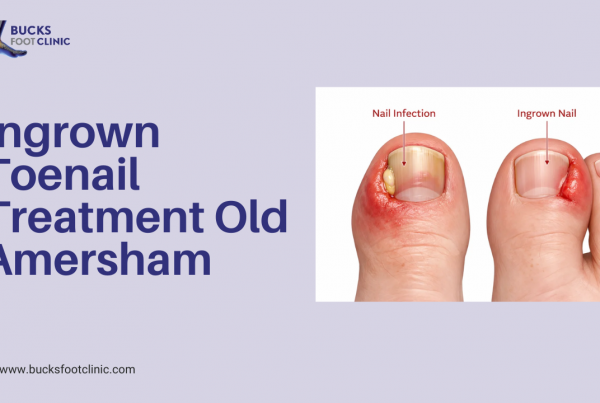
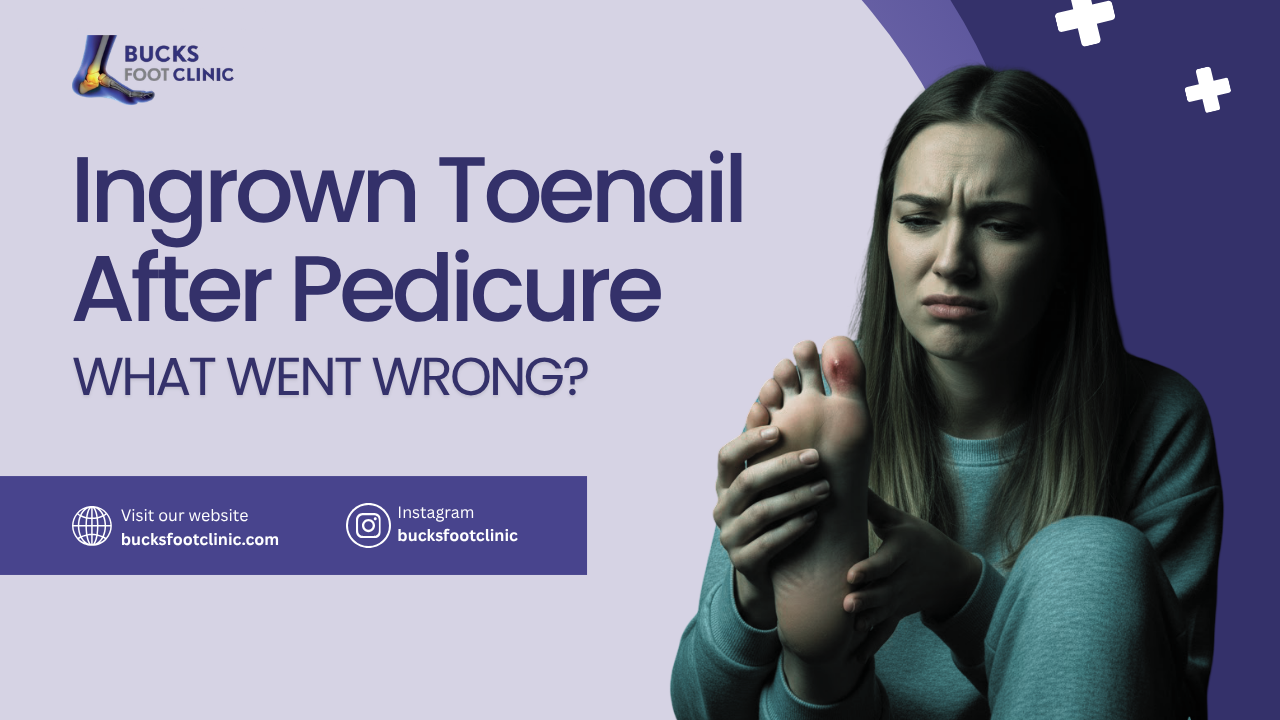
You left the nail salon feeling pampered with beautifully groomed feet, but days or weeks later, you’re experiencing throbbing pain in your toe. An ingrown toenail has developed where previously there was none. Whilst pedicures are generally safe when performed correctly, improper techniques can damage nails and surrounding skin, leading to painful ingrown toenails and infections.
Understanding what went wrong, recognising the warning signs of problems, and knowing how to prevent pedicure-related nail damage helps you protect your foot health whilst still enjoying professional nail care. At Bucks Foot Clinic, we regularly treat pedicure-related ingrown toenails and infections. If you’re experiencing problems after a pedicure, contact us on 01494 304 849 for expert assessment and treatment.
Common Pedicure Mistakes That Cause Ingrown Toenails
Cutting nails too short is perhaps the most frequent error. Nail technicians often cut nails very short for aesthetic reasons, but this leaves the nail bed exposed and allows surrounding skin to fold over the short nail edge. As the nail regrows, it may grow into this folded skin, causing an ingrown toenail. Toenails should be left slightly longer than the toe tip, approximately 1-2mm beyond the flesh.
Rounding or tapering the nail corners creates curved edges more likely to grow into the surrounding skin. Whilst this rounded shape might look attractive, it’s inappropriate for toenails due to the pressure of walking and standing. Toenails should be cut straight across to prevent ingrown growth.
Aggressive cuticle work can damage the delicate skin around the nail, creating entry points for bacteria. Cutting or pushing back cuticles too aggressively removes the protective barrier that prevents infection. Over-filing nail edges with coarse files can create micro-tears and weakened areas that may split or grow irregularly. Using non-sterile instruments poses serious infection risks, potentially introducing bacteria directly into any small cuts or damaged skin.
Applying excessive pressure during buffing or callus removal can cause trauma to the nail bed or surrounding tissue. Leaving sharp nail edges or spicules after cutting can catch on socks and create painful splits or encourage ingrown growth.
Immediate Warning Signs After a Pedicure
Some problems become apparent immediately or within hours of your pedicure. Bleeding from the nail area indicates the technician has cut the skin or removed too much nail. Visible cuts or nicks around the nail edge are entry points for bacteria and may become infected. Sharp, painful sensations when wearing shoes suggest the nail has been cut too short or sharp edges remain.
Redness or swelling around the nail immediately after the pedicure indicates trauma or irritation to the surrounding tissue. Burning or stinging sensations may indicate chemical irritation from products used or damage to exposed nail bed.
If you notice any of these immediate warning signs, clean the affected area thoroughly with soap and water, apply antibiotic ointment, and monitor closely for signs of infection developing over the following days.
Delayed Complications
Some pedicure-related problems don’t become apparent immediately but develop over the following days or weeks. Progressive pain developing 3-7 days after the pedicure may indicate an ingrown toenail forming or infection developing. Increasing redness and swelling around the nail edge suggests inflammation from ingrown nail growth or bacterial infection.
Pus discharge or abscess formation indicates bacterial infection requiring prompt professional treatment. Difficulty wearing closed-toe shoes due to pressure on the affected toe signals a developing problem. The sensation of something sharp or foreign in your toe often means a nail spicule (small sharp fragment) was left behind during the pedicure.
If you develop any of these delayed complications, don’t attempt to fix the problem yourself. Contact Bucks Foot Clinic on 01494 304 849 for professional assessment and treatment before the condition worsens.
How to Prevent Pedicure-Related Problems
Choose reputable salons with good hygiene standards. Look for visible cleanliness, staff washing hands between clients, and proper instrument sterilization procedures (preferably using an autoclave). Ask about their sterilization practices if you’re uncertain—reputable establishments will be happy to explain their procedures.
Communicate clearly with your technician. Request that they cut nails straight across, not rounded, and leave them slightly long rather than very short. If you have any concerns about technique or comfort during the pedicure, speak up immediately.
Avoid pedicures if you have any foot cuts, infections, or open wounds, as these increase infection risk. If you have diabetes, circulation problems, or compromised immune system, inform your technician and consider whether professional podiatry nail care might be safer than salon pedicures.
Bring your own tools if possible. Some salons allow clients to bring personal nail implements, eliminating sterilization concerns. Inspect your feet carefully after each pedicure for any cuts, irritation, or damage. Monitor for several days afterwards, watching for signs of developing problems.
Limit pedicure frequency—having pedicures too frequently (more than once monthly) increases your cumulative risk of nail and skin damage.
Why Professional Treatment Is Necessary
If you’ve developed an ingrown toenail or infection after a pedicure, professional podiatry treatment is almost always necessary. Home remedies cannot adequately address nails already growing into the skin or established infections. Attempting “bathroom surgery” to remove ingrown nail edges typically worsens the problem, introduces further infection, and causes significant pain.
Podiatrists can provide pain-free treatment under local anaesthetic, completely removing problematic nail sections including any spicules left from the pedicure. Sterile technique prevents further infection, whilst professional assessment ensures no other damage occurred. For infections, podiatrists can prescribe appropriate antibiotics and provide wound care guidance.
At Bucks Foot Clinic, we understand the frustration of developing foot problems from what should have been a relaxing, beneficial treatment. We provide prompt, effective care to resolve pedicure-related complications quickly.
What to Do If You’ve Developed Problems
For minor irritation without infection, soak the affected foot in warm water for 15-20 minutes several times daily and apply antibiotic ointment. Wear open-toed shoes to reduce pressure and avoid tight footwear. Monitor closely for any signs of worsening.
For suspected ingrown toenail or signs of infection (increasing pain, redness, swelling, pus discharge), seek professional help promptly. Don’t attempt to dig out the ingrown nail yourself—this almost always makes the situation worse. Avoid applying nail polish to the affected nail, as this can trap moisture and bacteria.
If you have diabetes or circulation problems, any foot injury or infection requires immediate professional assessment due to significantly increased complication risks.
When to Seek Immediate Help
Rapidly worsening pain, redness, or swelling over hours to days requires prompt assessment. Pus discharge or abscess formation indicates infection needing professional treatment. Red streaks extending from the affected toe up the foot suggest spreading infection requiring urgent medical attention. Fever or feeling generally unwell alongside foot problems may indicate serious infection.
For people with diabetes, any foot injury or infection, however minor it seems, requires immediate professional evaluation. Inability to wear shoes or walk normally due to pain warrants prompt podiatry assessment.
Alternative Options for Safe Nail Care
If you’ve had problems with salon pedicures, consider professional podiatry nail care as a safer alternative. Podiatrists provide expert nail cutting, callus reduction, and foot care in sterile clinical settings with proper technique that prevents ingrown toenails and other complications.
At Bucks Foot Clinic, we offer routine nail care services as part of our podiatry practice, ensuring your nails are maintained properly and safely. This is particularly appropriate for people with diabetes, circulation problems, thickened nails, or previous ingrown toenail problems.
Learn proper home nail care technique as an alternative to frequent salon visits. With correct technique (cutting straight across, leaving nails slightly long, using proper tools), you can maintain your nails safely between professional appointments.
The Bottom Line
Whilst most pedicures are performed safely, improper techniques can lead to painful ingrown toenails and infections. If you’ve developed problems after a pedicure, don’t ignore them or attempt aggressive home treatment. Professional podiatry care resolves these issues quickly and effectively, preventing complications and getting you back to comfortable, pain-free feet.
At Bucks Foot Clinic, we provide expert treatment for pedicure-related nail problems and can also offer routine professional nail care as a safer alternative to salon pedicures for those at higher risk of complications. Don’t suffer with painful consequences from what should have been a pleasant experience.
Contact Bucks Foot Clinic today on 01494 304 849 to schedule your consultation. Whether you need treatment for existing problems or want to establish regular professional nail care to prevent future issues, we’re here to help ensure your feet remain healthy and problem-free.