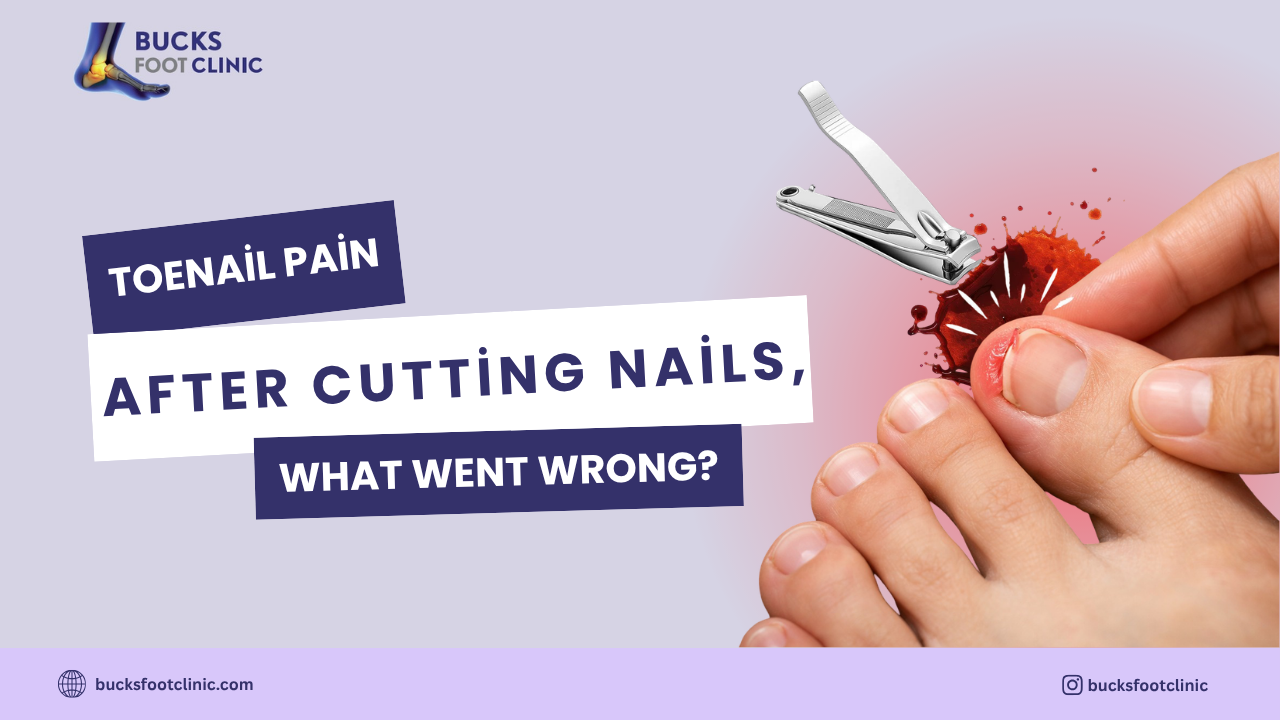
Toenail pain after cutting nails: You’ve just finished cutting your toenails, but instead of feeling satisfied with your grooming routine, you’re left with unexpected pain. Perhaps one toe throbs, or you notice bleeding, or the discomfort persists for hours or days. Toenail pain following nail cutting is surprisingly common and usually indicates that something went wrong during the process.
Understanding proper nail cutting technique, recognising what mistakes cause pain, and knowing when to seek professional help can prevent minor issues from developing into serious problems like ingrown toenails or infections. At Bucks Foot Clinic, we regularly see patients suffering from self-inflicted nail cutting injuries. Contact us on 01494 304 849 for professional assessment and treatment if you’re experiencing pain.
Common Nail Cutting Mistakes
Cutting nails too short is perhaps the most common mistake. When you cut nails flush with the toe end or shorter, you leave the nail bed exposed and vulnerable. The skin at the sides can then fold over the short nail edge, and as the nail grows back, it may grow into this folded skin, causing an ingrown toenail.
Rounding the corners when cutting creates curved edges that are more likely to grow into the surrounding skin. Many people cut toenails the same way they cut fingernails, but this curved cutting technique is inappropriate for toenails due to walking and standing pressure. Using dull or inappropriate tools can crush rather than cleanly cut the nail, leaving ragged edges that catch on socks and cause splitting.
Cutting into the corners by angling clippers down the sides removes the protective nail edge and encourages ingrown growth. Tearing or ripping nails instead of cutting them cleanly can cause splits that extend below the visible nail edge, creating painful injuries prone to infection. Cutting nails when wet immediately after bathing makes them softer and more likely to tear unevenly, whilst aggressive filing with coarse emery boards can create micro-tears in the nail edge.
Immediate and Delayed Complications
Skin cuts or nicks occur when you accidentally catch the skin around the nail with clippers. These small cuts are painful and provide entry points for bacteria. Nail bed trauma results from cutting nails extremely short, exposing the sensitive nail bed underneath and causing immediate pain lasting days. Bleeding from overly aggressive cutting requires immediate attention—apply pressure with clean gauze and monitor for signs of infection.
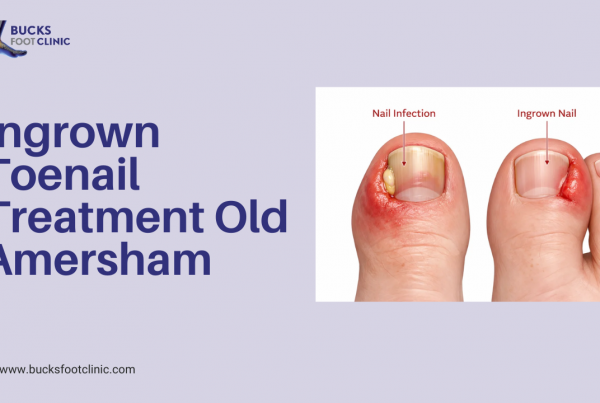
Delayed complications include ingrown toenails, the most common problem. After cutting nails too short or rounding corners, the nail regrows into the surrounding skin, causing progressive pain, redness, and swelling. Infection can develop in any small cut created during nail cutting, with signs including increasing pain, redness, warmth, swelling, and pus discharge. Nail splitting may occur along weakened lines, particularly if you tore rather than cut cleanly, whilst paronychia (infection of the skin around the nail) can develop from bacterial contamination during nail cutting.
Prevention Through Proper Technique
Use appropriate tools designed specifically for toenails. Toenail clippers are larger and more robust than fingernail clippers, providing better control and cleaner cuts. Ensure clippers are sharp and in good condition. Cut nails when dry for the cleanest results, waiting at least 30 minutes after bathing.
Proper cutting technique is essential: cut straight across, not curved, leaving the nail slightly longer than the toe end (approximately 1-2mm beyond the flesh). Never cut into the corners or angle the clippers down the sides. Take multiple small cuts rather than trying to cut the entire nail width in one go for better control. Smooth sharp edges with a fine emery board after cutting, filing gently in one direction.
Good lighting is essential for seeing clearly, particularly for older adults or those with vision impairments. A comfortable position where you can clearly see and reach your toes without straining reduces slipping or cutting errors. Clean tools before use with rubbing alcohol or soap and water to minimise infection risk. Regular maintenance every 2-3 weeks prevents nails from becoming overly long and difficult to cut properly.
If you have difficulty reaching your toes, poor vision, thickened nails, or health conditions affecting your feet, professional nail care is safer. Contact Bucks Foot Clinic on 01494 304 849 for regular professional nail cutting services.
When Professional Care Is Necessary
Thickened nails from ageing, fungal infection, or trauma are too thick for standard clippers and require professional reduction with specialised equipment. Diabetes increases complication risks from any foot injury, making professional nail care advisable. Poor circulation or peripheral neuropathy means you may not feel if you’re cutting too aggressively. Limited mobility or flexibility makes reaching your toes difficult, increasing error risk, whilst vision impairment prevents seeing clearly what you’re doing.
Previous ingrown toenail problems mean you’re at higher risk for recurrence and may benefit from professional guidance. Fungal nail infections causing thickened, brittle nails require professional care for safe reduction without damaging the nail or surrounding skin.
What to Do After a Mistake
For minor skin cuts, clean with soap and water, apply antibiotic ointment, and cover with a clean plaster. Monitor for infection signs. For exposed nail bed, keep the area clean and protected, wearing open-toed shoes to minimise pressure. Sharp edges, carefully smooth them with a fine emery board. Suspected ingrown toenail, avoid attempting to dig out the nail yourself—soak in warm water for temporary relief and seek professional help if pain persists beyond 2-3 days.
Seek professional help for immediate severe pain, any signs of infection, persistent bleeding that doesn’t stop with 10-15 minutes of direct pressure, suspected ingrown toenail, or if you have diabetes or circulation problems.
The Bottom Line
Most toenail pain following nail cutting results from preventable mistakes. Cutting nails straight across, leaving them slightly long, using appropriate sharp tools, and avoiding corner cutting prevents the vast majority of complications. If you’ve made mistakes and are experiencing pain, don’t ignore it or attempt aggressive home remedies.
At Bucks Foot Clinic, we can assess any nail cutting injuries, provide treatment for complications, and teach you proper nail care technique. For those who cannot safely cut their own nails, we offer professional nail cutting services. Contact Bucks Foot Clinic today on 01494 304 849 for professional nail care advice, treatment, or regular maintenance services.