
Toenail pain is one of those seemingly minor complaints that many people ignore until it becomes unbearable. Whether it’s a dull ache, sharp stabbing sensation, or persistent discomfort, toenail pain can significantly affect your daily activities, from walking and exercising to simply wearing your favourite shoes. Understanding when to seek professional help can prevent minor issues from developing into serious complications.
Common Causes and Warning Signs
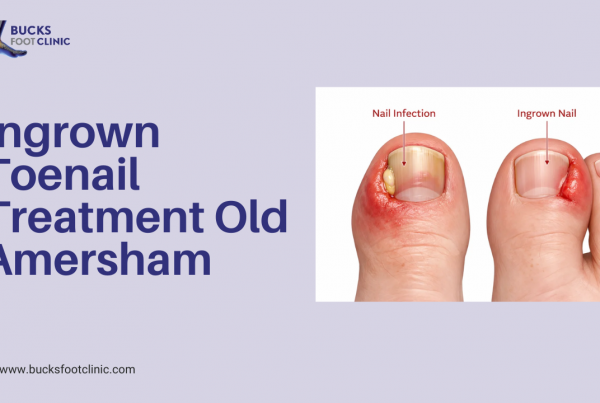
Toenail pain rarely occurs without reason. Ingrown toenails are the most frequent culprit, occurring when the nail edge grows into the surrounding skin, causing inflammation and considerable pain. Fungal infections develop slowly but cause progressive discomfort as the nail thickens and discolours. Trauma from stubbing your toe or sports activities can damage the nail and underlying structures, whilst paronychia (infection around the nail) causes rapid swelling and tenderness.
Warning signs that require professional assessment include persistent pain lasting more than a few days, signs of infection (redness, warmth, swelling, pus discharge), discolouration beyond the immediate injury site, and recurring problems with the same toenail. If you have diabetes or circulation problems, any foot or toenail issue requires prompt professional evaluation due to increased complication risks.
How to Prevent Toenail Pain
Proper nail cutting technique is fundamental to prevention. Always cut nails straight across rather than curved, leaving them slightly longer than the toe tip. Never cut into the corners, as this encourages ingrown growth. Choose shoes with adequate toe box space that don’t compress your toes, and maintain regular foot hygiene by washing feet daily and changing socks regularly. Protective footwear during sports prevents traumatic injuries, whilst regular foot inspections allow early detection of problems.
Why Home Remedies Often Fall Short
Diagnostic uncertainty is the primary limitation of home treatment. Without professional assessment, you cannot accurately identify the underlying cause of your pain. Home remedies address symptoms rather than root causes—soaking an infected toe may provide temporary relief but doesn’t resolve the infection or structural problem causing the issue.
Infection risks increase significantly with home interventions, particularly when people attempt “bathroom surgery” on ingrown toenails using non-sterile instruments. Delayed professional care resulting from prolonged home treatment attempts allows conditions to progress, often requiring more extensive intervention than would have been necessary initially.
The Professional Difference
Podiatrists possess specialised training and equipment that make professional treatment significantly more effective. Accurate diagnosis ensures you receive appropriate treatment for your specific problem. Pain-free procedures are possible through local anaesthesia—unlike home treatments that can be excruciating, podiatric procedures are typically comfortable throughout.
Sterile technique eliminates infection risks, whilst definitive solutions address underlying causes. For recurring ingrown toenails, podiatrists can perform procedures that permanently prevent regrowth of the problematic section. Comprehensive treatment plans may include prescription medications or referrals if systemic conditions are identified.
At Bucks Foot Clinic, we combine clinical expertise with compassionate care, ensuring you receive the most effective treatment in a comfortable environment.
What to Expect from Treatment
Initial assessment involves discussing your symptoms, medical history, and previous treatments attempted. Your podiatrist examines the affected toenail carefully, then discusses treatment options based on the diagnosis. For ingrown toenails, this might range from conservative management to minor surgical procedures under local anaesthetic.
Procedures typically take only 15-30 minutes, with local anaesthetic ensuring you feel no pain. Most people can return to normal activities within a day or two. Aftercare instructions are provided in writing, including wound care guidance and signs of complications to watch for.
The Bottom Line
Toenail pain is never “just something to put up with.” Whether caused by ingrown toenails, fungal infections, trauma, or other conditions, persistent toenail discomfort deserves professional assessment. Home remedies cannot replace the diagnostic accuracy, specialised techniques, and comprehensive care that podiatrists provide.
If you’re experiencing persistent toenail pain, don’t delay seeking help. Early intervention typically means simpler treatment, faster recovery, and better outcomes. Contact Bucks Foot Clinic today on 01494 304 849 to schedule your consultation. Your feet carry you through life they deserve professional care when problems arise.
FAQ
1. When should I see a podiatrist for toenail pain?
You should see a podiatrist if your toenail pain lasts more than a few days, keeps returning, or worsens over time. Pain accompanied by redness, swelling, discharge, discolouration, or difficulty walking should always be professionally assessed.
2. What are the most common causes of toenail pain?
The most common causes include ingrown toenails, fungal nail infections, trauma from stubbing or sports injuries, and infections around the nail such as paronychia. Each cause requires a different treatment approach.
3. Can I treat toenail pain at home?
Home remedies may provide temporary relief but often fail to treat the underlying cause. Without proper diagnosis, symptoms may worsen and increase the risk of infection—especially if non-sterile tools are used at home.
4. Why are ingrown toenails so painful?
Ingrown toenails occur when the nail edge grows into surrounding skin, causing inflammation, swelling, and infection. This pressure and tissue damage result in significant pain, particularly when walking or wearing shoes.
5. Is toenail pain more serious if I have diabetes?
Yes. If you have diabetes or circulation problems, any toenail pain or foot issue should be assessed promptly. These conditions increase the risk of infection, slow healing, and serious complications.
6. What does podiatrist treatment for toenail pain involve?
Treatment begins with a full assessment of your symptoms and nail condition. Depending on the diagnosis, treatment may include conservative care, infection management, or a minor pain-free procedure under local anaesthetic.
7. Are podiatry procedures for toenail pain painful?
No. Podiatrists use local anaesthetic to ensure procedures are comfortable and pain-free. Most treatments take 15–30 minutes, and patients usually return to normal activities within a day or two.
8. Can a podiatrist permanently fix recurring ingrown toenails?
Yes. For recurring cases, podiatrists can perform procedures that permanently prevent the problematic portion of the nail from regrowing, providing long-term relief.
9. How can I prevent toenail pain in the future?
Cut toenails straight across, avoid cutting into corners, wear shoes with enough toe space, maintain good foot hygiene, and regularly inspect your feet to detect early changes.
10. When should I contact Bucks Foot Clinic for toenail pain?
If you’re experiencing persistent or worsening toenail pain, signs of infection, or repeated nail problems, early professional assessment at Bucks Foot Clinic helps ensure faster recovery and better outcomes.