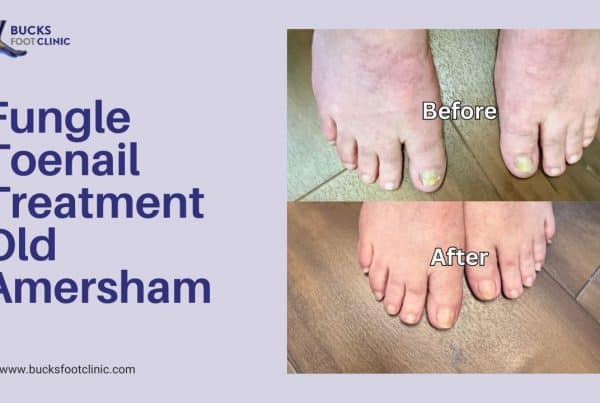
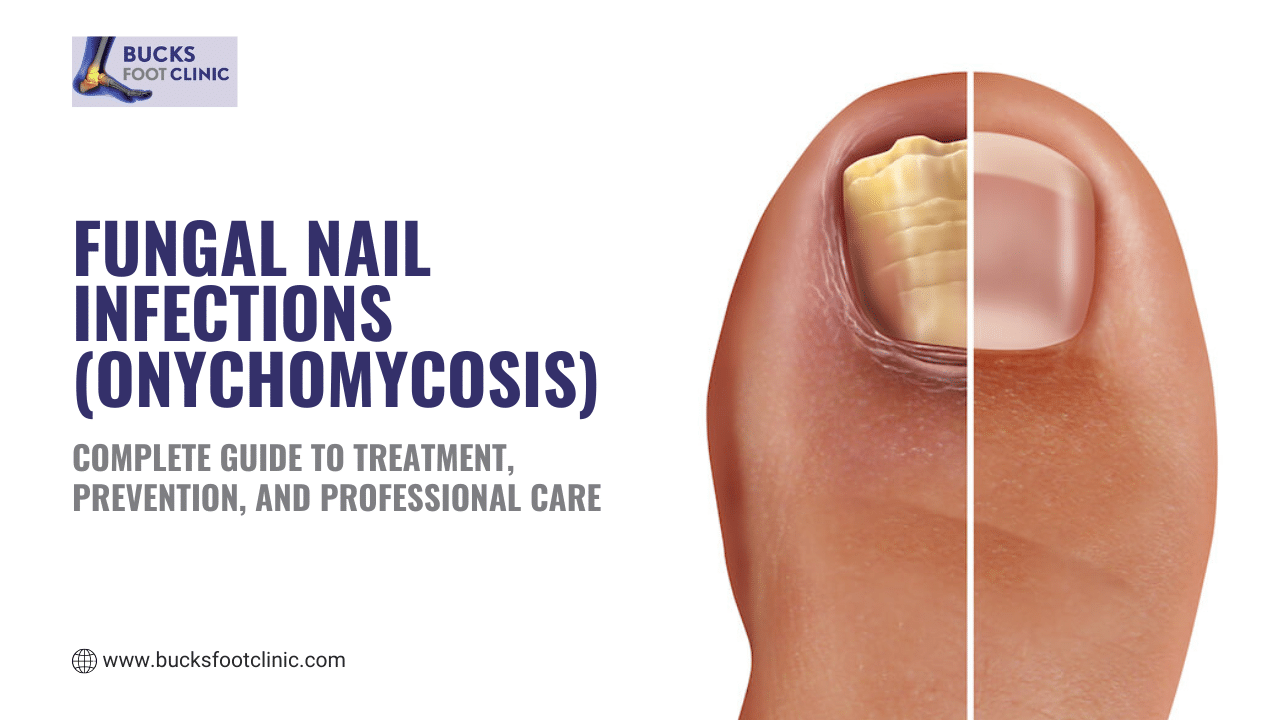
Are your toenails thick, discoloured, and crumbling at the edges? Do you feel embarrassed about wearing sandals or going barefoot at the beach? You’re not alone. Fungal nail infections, medically known as onychomycosis, affect approximately 10% of the UK population, making it one of the most common nail disorders seen by podiatrists.
Whilst often dismissed as merely a cosmetic inconvenience, fungal nail infections are actually persistent medical conditions that rarely resolve without proper treatment. Left untreated, they progressively worsen, potentially spreading to other nails, causing pain and discomfort, and significantly impacting your quality of life and self-confidence.
Understanding fungal nail infections their causes, effective treatments, and why professional podiatric care is essential is your first step towards clear, healthy nails you’ll be proud to show off.
If you’re struggling with discoloured, thickened toenails, don’t let embarrassment stop you from seeking help. Contact Bucks Foot Clinic on 01494 304 849 today for a confidential assessment. Our experienced podiatrists specialise in treating fungal nail infections with proven, effective therapies that deliver real results.
What Is a Fungal Nail Infection?
A fungal nail infection occurs when microscopic fungi typically dermatophytes, but sometimes yeasts or moulds invade and colonise the nail bed, nail plate, or surrounding skin. The most common culprit is Trichophyton rubrum, a dermatophyte fungus that thrives in the warm, moist environment inside shoes.
Unlike bacterial infections that develop rapidly, fungal nail infections are insidious, developing slowly over months or even years. You might not notice the infection initially, but over time, the fungus causes progressive changes to the nail’s appearance and structure.
How Fungal Infections Develop
The infection typically begins in one of three ways:
Distal Subungual Onychomycosis (most common, 90% of cases) starts at the tip of the nail and progresses backward toward the cuticle. The fungus enters through the gap between the nail plate and nail bed, gradually spreading underneath the nail.
Superficial White Onychomycosis begins on the top surface of the nail, creating white, powdery patches that can be scraped off. This type is less common but easier to treat as the fungus hasn’t penetrated deeply.
Proximal Subungual Onychomycosis (rare, except in immunocompromised individuals) starts near the cuticle and spreads forward. This type is associated with HIV/AIDS and other immune system disorders.
Recognising the Symptoms
Fungal nail infections present with characteristic signs that worsen progressively:
Discolouration is usually the first noticeable sign. Infected nails typically turn yellow, brown, white, or even black. The discolouration often begins at the tip or edge and gradually spreads.
Thickening occurs as the nail plate becomes abnormally thick and dense. The thickened nail becomes increasingly difficult to trim with regular nail clippers.
Brittleness and crumbling develop as the nail structure deteriorates. The nail becomes fragile, breaking and crumbling easily, particularly at the edges.
Distorted shape results from uneven nail growth patterns. The nail may become warped, lifting away from the nail bed.
Debris accumulation under the nail is common. A foul-smelling, crumbly material builds up between the nail plate and bed.
Nail separation occurs in advanced cases when the nail lifts away from the nail bed (onycholysis).
Pain and discomfort may develop, particularly when wearing shoes or during activities. The thickened nail can press uncomfortably against footwear.
Surrounding skin changes including redness, swelling, or flaking may indicate the infection is spreading beyond the nail.
What Causes Fungal Nail Infections?
Understanding the causes and risk factors helps with both prevention and treatment. Multiple factors contribute to fungal nail infections:
Primary Causes
Fungal organisms are everywhere in our environment. The fungi that cause nail infections thrive in warm, moist environments. You can pick them up from:
- Public swimming pools, showers, and changing rooms
- Gym floors and communal bathing facilities
- Nail salons with inadequate sterilisation practices
- Shared towels, nail clippers, or shoes
- Contaminated floors in hotels or holiday accommodations
Athlete’s foot (tinea pedis) is intimately connected with fungal nail infections. The same fungi that cause athlete’s foot between the toes can spread to infect the nails. In fact, many fungal nail infections begin as untreated athlete’s foot. The reverse is also true infected nails serve as a reservoir that can continuously reinfect the surrounding skin.
Nail trauma creates entry points for fungal invasion. Even minor trauma from ill-fitting shoes, stubbing your toe, or repetitive pressure during sports can damage the nail seal, allowing fungi to enter. Athletes, particularly runners and footballers, face increased risk due to repeated nail trauma.
Risk Factors
Age significantly increases susceptibility. Fungal nail infections are rare in children but become increasingly common with age. Approximately 20-30% of people over 60 have fungal nail infections. This occurs because:
- Nail growth slows with age, giving fungi more time to establish infection
- Years of nail trauma accumulate
- Blood circulation to extremities decreases
- Immune function gradually declines
Poor circulation in the feet reduces the body’s ability to detect and fight infections. Peripheral arterial disease, common in older adults and smokers, substantially increases risk.
Compromised immune system from conditions including HIV/AIDS, cancer, diabetes, or immunosuppressive medications makes fighting fungal infections much harder.
Diabetes creates multiple problems: reduced circulation, nerve damage affecting sensation, and impaired immune response. Diabetics are two to three times more likely to develop fungal nail infections and face more serious complications.
Previous fungal infections increase susceptibility. If you’ve had athlete’s foot or a previous nail infection, you’re at higher risk of recurrence. Some individuals appear genetically predisposed to T. rubrum infections.
Excessive sweating (hyperhidrosis) creates the moist environment fungi love. People whose feet sweat heavily are at significantly increased risk.
Inappropriate footwear that’s too tight, doesn’t breathe, or is worn for extended periods creates perfect conditions for fungal growth.
Walking barefoot in public areas exposes your feet to fungal organisms, particularly in moist environments like pools and showers.
Nail salon visits with inadequate sterilisation procedures can transmit infections between clients through contaminated tools.
Smoking impairs circulation and immune function, increasing susceptibility to infections.
Psoriasis and other skin conditions that affect the nails create vulnerabilities fungi can exploit.
How to Prevent Fungal Nail Infections: Your Essential Prevention Guide
Prevention is infinitely easier than treating established fungal nail infections. These evidence-based strategies significantly reduce your risk:
Prevention Strategy #1: Practice Excellent Foot Hygiene
- Wash your feet daily with soap and water
- Dry feet thoroughly, especially between the toes where moisture accumulates
- Pay particular attention to drying under and around toenails
- Change socks whenever your feet become sweaty or damp
- Don’t go to bed with damp feet
Prevention Strategy #2: Choose and Care for Footwear Properly
- Wear breathable shoes made from leather or canvas rather than synthetic materials
- Rotate shoes daily, allowing at least 24 hours between wearings for shoes to dry completely
- Use antifungal shoe spray or powder regularly
- Replace shoes that have become excessively worn or smelly
- Avoid wearing the same trainers every day without allowing drying time
- Choose moisture-wicking socks made from synthetic blends or wool rather than cotton
- Change socks at least once daily, more frequently if feet sweat heavily
Prevention Strategy #3: Protect Feet in Public Areas
- Always wear flip-flops, shower shoes, or water shoes in:
- Public showers and changing rooms
- Swimming pool areas
- Gym facilities
- Hotel bathrooms
- Spa and sauna facilities
- Never walk barefoot in communal areas
- Bring your own towel and avoid sharing
Prevention Strategy #4: Maintain Healthy Nails
- Trim toenails straight across, not too short
- File rough edges that could catch and tear
- Don’t dig into corners or cut nails too short
- Keep nails clean and dry
- Avoid nail polish on infected or potentially infected nails as it traps moisture
- Disinfect nail clippers and files after each use
- Never share nail implements with others
Prevention Strategy #5: Treat Athlete’s Foot Promptly
- Address any fungal skin infections immediately
- Use antifungal creams as directed, typically for 2-4 weeks beyond symptom resolution
- Treat athlete’s foot completely before it spreads to nails
- Remember that nails can harbour fungus even after skin clears
Prevention Strategy #6: Manage Risk Factors
- Control blood sugar if diabetic
- Improve circulation through regular exercise
- Stop smoking
- Manage conditions that impair immune function
- Treat excessive foot sweating (antiperspirants, iontophoresis, or medications)
Prevention Strategy #7: Be Cautious at Nail Salons
- Choose reputable salons with visible sterilisation procedures
- Ask about their sterilisation protocols
- Consider bringing your own nail implements
- Watch for red flags: instruments stored in drawers (not autoclaved), tools sitting in blue disinfectant liquid (inadequate sterilisation), or nail technicians working on obviously infected nails
Prevention Strategy #8: Disinfect Home Environments
- Regularly disinfect showers and bathtubs, especially if someone in the household has a fungal infection
- Wash bath mats frequently in hot water
- Don’t share towels between family members
- Wash socks, hosiery, and bedding in hot water (60°C minimum)
Prevention Strategy #9: Use Preventive Antifungal Products
- Apply antifungal powder to feet and inside shoes if you’re high-risk
- Use antifungal spray in shoes regularly
- Consider preventive antifungal creams if you’ve had previous infections
Prevention Strategy #10: Regular Professional Assessments
- Have annual foot checks with a podiatrist if you’re high-risk
- Address any nail changes or discolouration promptly
- Don’t ignore early warning signs
Want personalised advice on preventing fungal nail infections based on your specific risk factors? Call Bucks Foot Clinic on 01494 304 849 to schedule a preventive foot health consultation. We’ll assess your risks and develop a tailored prevention strategy.
Home Remedies for Fungal Nail Infections: Understanding Their Significant Limitations
The internet overflows with supposed “cures” for fungal nail infections. Whilst some home remedies might provide minimal benefit, it’s crucial to understand their severe limitations and why they usually fail.
Tea Tree Oil
What it claims: This essential oil has antifungal properties and can cure nail fungus when applied topically.
Reality and limitations: Whilst tea tree oil does have antifungal activity in laboratory settings, its effectiveness for established nail infections is extremely limited. Studies show inconsistent and minimal results. The oil cannot penetrate deeply enough into the thick nail plate to reach the fungal infection in the nail bed. Even with months of diligent application, success rates are very low (under 10%). It’s too weak to eliminate established infections. Tea tree oil can cause skin irritation and allergic reactions in some people.
Vinegar Soaks
What it claims: Soaking feet in vinegar (white or apple cider) creates an acidic environment that kills fungus.
Reality and limitations: Fungi can survive in acidic environments, so vinegar’s acidity isn’t sufficient to eliminate them. Vinegar cannot penetrate the nail plate to reach the infection underneath. There’s no credible scientific evidence supporting vinegar’s effectiveness for nail fungus. Prolonged vinegar soaks can dry out and damage skin. At best, it might help prevent new infections on skin, but it won’t cure established nail fungus. Success stories are typically cases of spontaneous improvement or placebo effect.
Vicks VapoRub
What it claims: The menthol, camphor, and eucalyptus oil in Vicks can penetrate nails and cure fungus.
Reality and limitations: One small study showed minor improvement in appearance, but not fungal cure. The study was poorly designed and hasn’t been replicated. Vicks cannot penetrate deeply enough to reach the fungal infection. It may soften nails slightly, but this doesn’t eliminate fungus. Most improvements seen are cosmetic only the nail may look slightly better whilst the infection persists underneath. It’s messy, smells strong, and requires months of application with minimal real results.
Baking Soda Paste
What it claims: Baking soda’s antifungal properties cure nail infections when applied as a paste.
Reality and limitations: Baking soda has minimal antifungal activity. Like other topical remedies, it cannot penetrate the nail plate adequately. There’s no scientific evidence supporting its use for nail fungus. It may absorb some moisture, but this doesn’t kill established infections. Baking soda can cause skin irritation with prolonged use.
Garlic
What it claims: Garlic’s natural antifungal compounds cure nail fungus when crushed and applied.
Reality and limitations: Whilst garlic has some antifungal properties, it cannot penetrate nail tissue effectively. Garlic is highly irritating and can cause chemical burns on skin. There’s no credible evidence of effectiveness for nail infections. The smell is unpleasant and socially problematic. Any perceived benefit is far outweighed by the risk of skin damage.
Hydrogen Peroxide
What it claims: Soaking nails in hydrogen peroxide kills fungus.
Reality and limitations: Hydrogen peroxide can bleach nails, making discolouration temporarily appear better without treating the underlying infection. It doesn’t penetrate deeply enough to reach nail bed infections. There’s no evidence it’s effective against fungal nail infections. It can dry out and irritate skin with repeated use.
Listerine Mouthwash
What it claims: The antiseptic ingredients kill nail fungus.
Reality and limitations: Whilst Listerine contains antifungal ingredients, they’re not concentrated enough to cure nail infections. It cannot penetrate the nail plate effectively. There’s no scientific evidence supporting this use. At best, it might help with mild athlete’s foot on surrounding skin, but it won’t cure nail fungus. It’s an expensive way to get minimal or no results.
Over-the-Counter Antifungal Creams and Solutions
What they do: Products containing ingredients like clotrimazole, miconazole, or terbinafine are marketed for nail fungus.
Reality and limitations: These products are designed for skin infections (athlete’s foot), not nail infections. The nail plate acts as a barrier preventing adequate drug penetration. Success rates for OTC products on established nail infections are very low typically 10-15% at best. They work only for very mild, superficial infections caught extremely early. Months of application are required with minimal success. By the time most people try them, the infection is too advanced for these products to work.
The Fundamental Problem with Home Remedies
Here’s the critical truth about fungal nail infections: the fungus lives deep in the nail bed, underneath a thick, protective nail plate that acts as a barrier. Home remedies fundamentally fail because they:
- Cannot penetrate deeply enough to reach the infection site
- Are not powerful enough to kill established fungal colonies
- Require unrealistically long application (often 12+ months daily) with minimal results
- Don’t address the nail as a fungal reservoir that continuously re-seeds infection
- Miss surrounding skin infections that reinfect the nail
- Lack scientific evidence of effectiveness for established infections
- Waste valuable time whilst the infection worsens and spreads
Fungal nail infections are notoriously difficult to treat even with prescription medications. Home remedies simply aren’t up to the task for established infections.
Why a Podiatrist Is Better Than Home Remedies
Professional podiatric care offers comprehensive assessment, accurate diagnosis, and access to effective treatments that home remedies cannot match. Here’s why seeing a podiatrist at Bucks Foot Clinic is essential for fungal nail infections:
Accurate Diagnosis Through Laboratory Testing
Not all discoloured, thickened nails are fungal infections. Conditions including psoriasis, lichen planus, trauma-related changes, melanoma, and bacterial infections can create similar appearances. Treating the wrong condition wastes time and money whilst the real problem persists or worsens.
At Bucks Foot Clinic, we perform proper diagnostic testing:
Nail Clipping Analysis: We take a sample of the affected nail and send it to a laboratory for microscopy and culture. This confirms whether fungus is present and identifies the specific organism.
PAS Staining: Periodic acid-Schiff staining provides rapid identification of fungal elements in nail tissue.
Fungal Culture: Growing the organism identifies the exact fungal species, allowing targeted treatment selection.
This diagnostic accuracy is impossible with home treatment. Many people waste months or years treating presumed fungal infections that are actually other conditions, or use inappropriate treatments for the specific fungus they have.
Access to Prescription-Strength Medications
Podiatrists can prescribe medications unavailable over the counter that are significantly more effective than home remedies:
Oral Antifungal Medications including terbinafine (Lamisil) and itraconazole (Sporanox) work systemically, reaching the infection through the bloodstream. These are the most effective medical treatments, with success rates of 60-70% for terbinafine. However, they require:
- Liver function monitoring through blood tests
- Careful screening for drug interactions
- Medical supervision due to potential side effects
- Typically 12 weeks of daily treatment for toenails
Podiatrists assess your suitability for oral medications, arrange necessary monitoring, and manage any side effects.
Prescription Topical Treatments like amorolfine (Loceryl) nail lacquer and ciclopirox (Penlac) are more effective than OTC products, though still limited for thick, extensively infected nails. They work best for mild infections or in combination with other treatments.
Professional Nail Debridement
This is a crucial treatment component often overlooked with home remedies. At Bucks Foot Clinic, our podiatrists professionally debride (thin and reduce) infected nails using specialised instruments. This process:
- Removes large amounts of infected nail material
- Reduces the fungal burden significantly
- Allows topical medications to penetrate more effectively
- Improves nail appearance immediately
- Makes walking more comfortable
- Prepares nails for other treatments
Professional debridement is far more effective and safer than attempting to file nails yourself at home. Regular debridement sessions typically every 4-8 weeks are an integral part of our comprehensive treatment approach and significantly enhance the effectiveness of medications.
Evidence-Based Combination Treatment Protocols
The most effective approach often combines multiple treatments. At Bucks Foot Clinic, we create personalised protocols that might include:
- Oral antifungals for systemic action
- Regular professional debridement to reduce fungal burden
- Prescription topical medications to prevent reinfection
- Treatment of athlete’s foot to eliminate reservoirs
- Footwear and hygiene management
- Chemical nail avulsion when appropriate
This comprehensive approach yields far better results than any single home remedy or even single professional treatment.
Our Experience with Alternative Therapies
At Bucks Foot Clinic, we pride ourselves on staying current with the latest treatment options and technologies. We have thoroughly investigated and trialled various emerging therapies, including laser treatment for fungal nail infections.
Our Position on Laser Therapy:
After careful evaluation and clinical experience with laser therapy, we’ve made the professional decision not to offer this treatment at Bucks Foot Clinic. Whilst laser therapy is marketed widely, our experience and analysis of the evidence reveals several concerns:
- Inconsistent success rates: Published success rates vary wildly (20-60%), and real-world results often fall at the lower end of this spectrum
- Cost versus benefit: The treatment requires multiple expensive sessions with outcomes that don’t justify the investment for most patients
- Not superior to proven treatments: Laser therapy doesn’t outperform well-established oral antifungal medications, which remain the gold standard
- Limited long-term data: Long-term recurrence rates following laser treatment are not well-established
- Variable protocols: Lack of standardisation in treatment parameters makes results unpredictable
We believe in offering our patients treatments that have robust evidence of effectiveness and provide good value. Based on our clinical experience and critical review of the evidence, we find that combination therapy using oral antifungals, professional debridement, prescription topical treatments, and comprehensive foot care management delivers superior results to laser therapy at a more reasonable cost.
Our commitment is to honesty and evidence-based practice. We won’t offer treatments simply because they’re popular or highly marketed if we don’t believe they provide the best outcomes for our patients.
Management of Underlying Conditions
Podiatrists identify and address factors contributing to infection and recurrence:
- Poor circulation requiring medical referral
- Diabetes management coordination
- Biomechanical issues needing orthotic correction
- Excessive sweating requiring specific treatments
- Footwear problems needing modification
Realistic Expectations and Ongoing Support
Fungal nail infections require months of treatment, and complete cure isn’t always achievable. Podiatrists provide:
- Realistic expectations about treatment duration and success rates
- Regular monitoring to assess treatment response
- Adjustments to treatment protocols based on progress
- Long-term strategies to prevent recurrence
- Support and encouragement throughout the lengthy treatment process
At Bucks Foot Clinic, we’re honest about what treatments can and cannot achieve. We focus on proven therapies that deliver real, measurable results.
Safety and Monitoring
Professional treatment ensures:
- Appropriate screening before starting medications
- Regular monitoring for side effects
- Safe treatment combinations
- Proper infection control
- Immediate address of any complications
Stop wasting time and money on ineffective home remedies. Get professional help that actually works. Call Bucks Foot Clinic on 01494 304 849 to schedule a comprehensive fungal nail assessment. We’ll accurately diagnose your condition and create an effective, personalised treatment plan using proven therapies that deliver real results.
How to Fix Fungal Nail Infections: Comprehensive Treatment Options
Treating fungal nail infections requires patience, persistence, and the right approach. Here’s what professional treatment at Bucks Foot Clinic involves:
Step 1: Accurate Diagnosis
Treatment begins with laboratory confirmation of fungal infection through nail sampling and culture. This ensures we’re treating the right condition with appropriate medications.
Step 2: Treatment Selection
Based on infection severity, your medical history, and lifestyle factors, we recommend the most appropriate treatment approach:
For Mild Infections (Less than 50% of nail affected, no matrix involvement)
Prescription Topical Therapy may be sufficient:
- Amorolfine 5% nail lacquer applied weekly
- Ciclopirox 8% solution applied daily
- Treatment duration: 6-12 months typically
- Success rates: 30-50% for mild infections
Professional Debridement performed regularly (every 4-8 weeks) enhances topical treatment effectiveness significantly. This is a cornerstone of our treatment approach at Bucks Foot Clinic.
For Moderate to Severe Infections
Oral Antifungal Therapy remains the gold standard for moderate to severe fungal nail infections:
Terbinafine 250mg daily for 12 weeks (toenails):
- Most effective oral treatment available
- Success rate: 60-70% mycological cure
- Clinical improvement seen in 75-80% of patients
- Requires liver function monitoring before and during treatment
- Generally well-tolerated with few side effects
- Preferred for dermatophyte infections (most common type)
- Evidence base is robust and extensive
Itraconazole pulse therapy (400mg daily for 1 week per month, 3-4 months):
- Effective alternative to terbinafine
- Success rate: 50-60% mycological cure
- Also requires liver monitoring
- More drug interactions than terbinafine
- Better for yeast infections (Candida)
- Useful for patients who cannot tolerate terbinafine
Before prescribing oral antifungals, we:
- Review your complete medical history
- Check for drug interactions with your current medications
- Order baseline liver function tests
- Discuss potential side effects honestly
- Provide detailed instructions for medication use
- Arrange follow-up monitoring appointments
Why Oral Antifungals Are Our First-Line Treatment:
Oral antifungal medications work from the inside out, reaching the infection through your bloodstream. As new, healthy nail grows from the matrix, it’s protected by the antifungal medication in your system. This approach:
- Treats the infection at its source in the nail bed
- Provides consistent drug levels throughout treatment
- Doesn’t rely on penetration through the nail plate
- Has decades of clinical evidence supporting effectiveness
- Offers the best success rates of any available treatment
Combination Therapy: The Bucks Foot Clinic Approach
We’ve found that the most effective approach combines multiple treatments simultaneously:
Our Comprehensive Protocol:
- Oral antifungal medication (terbinafine or itraconazole) as the primary systemic treatment
- Professional nail debridement every 4-8 weeks to:
- Remove infected nail material
- Reduce fungal load
- Improve medication penetration
- Provide immediate cosmetic improvement
- Monitor treatment progress
- Prescription topical antifungal (amorolfine lacquer) applied to debrided nails between appointments
- Treatment of any concurrent athlete’s foot with prescription-strength topical antifungals
- Footwear management programme including:
- Antifungal shoe sprays or powders
- UV shoe sanitisers if appropriate
- Guidance on shoe rotation and care
- Comprehensive hygiene protocol tailored to your lifestyle
Why This Combination Works:
This multi-faceted approach attacks the infection from multiple angles:
- Oral medication works systemically throughout the body
- Debridement physically removes infected tissue
- Topical medication provides additional antifungal action
- Treating athlete’s foot eliminates the reservoir that can reinfect nails
- Footwear management prevents recontamination
- Hygiene protocols reduce transmission and recurrence risk
Our clinical experience shows that this comprehensive approach yields superior results compared to any single treatment modality.
Chemical Nail Avulsion
For severe infections that haven’t responded to oral medications, or when the nail is causing significant pain or functional problems, we may recommend chemical nail avulsion:
What it involves:
- Application of a urea-based paste that dissolves the nail plate gradually
- Painless process performed over 1-2 weeks at home
- Removes the heavily infected nail, allowing treatment of the underlying nail bed
- New nail grows back in healthier state
- Can be combined with oral antifungals for best results
When we recommend it:
- Thick, painful nails causing discomfort
- Infections resistant to standard treatment
- Elderly patients who cannot take oral medications
- Desire for faster cosmetic improvement
- Very severe infections involving most of the nail
Step 3: Complementary Measures
Alongside primary treatment, we implement essential supportive measures:
Treat Athlete’s Foot: Any skin infection must be cleared to prevent nail reinfection. We prescribe appropriate antifungal creams such as terbinafine 1% cream for surrounding skin infections.
Footwear Management:
- Assess all regularly worn shoes for contamination
- Recommend disinfection using antifungal sprays or UV sanitisers
- Advise on shoe rotation to allow complete drying (minimum 24 hours between wearings)
- Suggest replacing heavily contaminated shoes, particularly athletic shoes
- Recommend breathable footwear materials
Sock and Hosiery Guidance:
- Change socks daily (minimum)
- Wash in hot water (60°C) to kill fungal spores
- Choose moisture-wicking synthetic or wool socks over cotton
- Consider antifungal socks for high-risk individuals
Home Hygiene Protocol:
- Disinfect showers and bathtubs weekly with bleach-based cleaners
- Wash bath mats in hot water regularly
- Use separate towels for infected feet
- Disinfect nail clippers after each use
- Keep feet as dry as possible
Environmental Measures:
- Use antifungal powder in shoes
- Apply foot powder after bathing if prone to sweating
- Ensure adequate ventilation of footwear storage areas
- Consider using a dehumidifier if home environment is damp
Step 4: Monitoring and Follow-Up
Fungal nail treatment requires regular, ongoing monitoring. Our typical follow-up schedule:
Weeks 0-4:
- Commence oral antifungal medication
- Initial professional debridement
- Begin topical therapy and hygiene protocols
- Monitor for any side effects or drug reactions
Weeks 4-12 (During oral antifungal course):
- Professional debridement every 4-6 weeks
- Monitor treatment response
- Liver function blood test at 6 weeks
- Assess compliance and address any concerns
- Adjust protocols if needed
Months 3-12 (Post oral antifungal course):
- Continue debridement every 6-8 weeks
- Monitor new nail growth quality
- Continue topical therapy as needed
- Assess for signs of reinfection
- Provide ongoing support and guidance
Month 12-18:
- Final assessment of treatment outcome
- Consider repeat laboratory testing if uncertainty
- Transition to maintenance and prevention protocols
- Celebrate success and provide ongoing prevention advice
Step 5: Managing Expectations
We believe in honest, realistic communication about treatment outcomes. Here’s what you can expect:
Timeline for Results:
- Toenails grow slowly (approximately 1-2mm per month)
- Complete nail replacement takes 12-18 months
- Early improvement may be visible after 3-6 months
- Final assessment typically at 12-18 months
- Patience is essentia this is a marathon, not a sprint
What Success Looks Like:
Complete mycological cure: No fungus detected in laboratory testing the gold standard but not always achievable or necessary for patient satisfaction.
Clinical cure: Nail appears healthy, clear, and normal this is our primary goal, as it represents meaningful improvement in quality of life.
Significant improvement: Nail looks substantially better even if some minor abnormality remains many patients are very satisfied with this outcome.
Stable improvement: Infection halted, no further progression important even if complete clearance isn’t achieved.
Realistic Success Rates with Our Approach
Based on extensive clinical evidence and our own experience:
Oral terbinafine alone: 60-70% complete cure, 75-80% clinical improvement
Oral itraconazole alone: 50-60% complete cure, 65-75% clinical improvement
Topical amorolfine alone (mild infections): 30-50% success
Our combination protocol: 70-80% clinical improvement or cure superior to any single treatment
Factors affecting success:
- Severity of initial infection (mild responds better)
- Patient compliance with treatment
- Presence of risk factors (diabetes, circulation problems)
- Number of nails affected (single nail better than multiple)
- Age (younger patients respond better)
- Type of fungus (dermatophytes respond best to terbinafine)
Addressing Treatment Failures
Not all treatments succeed, and we’re honest about this. If initial treatment fails:
We evaluate:
- Was compliance adequate?
- Were there unaddressed risk factors?
- Is this truly a fungal infection? (Repeat laboratory testing)
- Is there ongoing reinfection from footwear or athlete’s foot?
- Are there unrecognised medical conditions affecting treatment?
We consider:
- Trying an alternative oral antifungal
- Extended treatment course
- Chemical nail avulsion
- More aggressive debridement schedule
- Addressing newly identified contributing factors
We discuss:
- Whether further treatment is advisable
- Cost-benefit considerations
- Focusing on maintenance and preventing worsening
- Accepting cosmetic improvement as a successful outcome
Preventing Recurrence
After successful treatment, preventing recurrence is crucial:
Ongoing measures:
- Continue excellent foot hygiene practices
- Maintain appropriate footwear habits
- Use preventive antifungal powder or spray
- Treat any athlete’s foot immediately
- Regular self-monitoring of nails
- Address risk factors (sweating, circulation, etc.)
- Consider periodic preventive debridement
- Annual podiatric check-ups
Recurrence rates:
- 10-20% of successfully treated patients experience recurrence within 3 years
- Risk is higher if underlying risk factors aren’t managed
- Early detection and treatment of recurrence is easier than initial infection
Ready to finally clear your fungal nail infection with professional treatment that works? Contact Bucks Foot Clinic on 01494 304 849 today. Our podiatrists will create a comprehensive, evidence-based treatment plan using proven therapies oral antifungals, professional debridement, and combination protocols that deliver real, measurable results.
When to See a Podiatrist for Fungal Nail Infections
The simple answer is: as soon as you suspect a fungal nail infection. Early treatment is far more effective than treating advanced infections. However, many people delay seeking help due to embarrassment or belief that home remedies will work.
See a Podiatrist When:
You first notice nail changes – Early intervention offers the best success rates. Don’t wait to see if it gets better on its own it won’t. Fungal infections never resolve spontaneously.
Nails are discoloured or thickening – These are classic early signs that should prompt immediate assessment. The earlier we intervene, the easier treatment becomes.
You’ve tried home remedies without success – If OTC treatments haven’t worked within 2-3 months, professional treatment is essential. Don’t waste more time on ineffective remedies.
The infection is spreading – If additional nails become affected, aggressive professional treatment is essential to halt progression.
You have risk factors – Diabetes, poor circulation, immunosuppression, or previous infections warrant professional monitoring and proactive treatment.
The infection is affecting your quality of life – If you’re embarrassed to wear sandals, avoiding swimming, feeling self-conscious, or experiencing reduced confidence, treatment is absolutely worthwhile. Your psychological wellbeing matters.
You’re experiencing pain or discomfort – Thickened nails pressing against shoes, causing pain during activities, or interfering with walking require professional care.
You have diabetes or circulatory problems – These conditions require specialised podiatric management of any foot condition. Fungal infections can lead to serious complications in these populations.
You want to prevent spread to family members – Professional treatment reduces transmission risk to others in your household, particularly children.
You’re planning to start treatment – Oral medications require medical supervision and monitoring that only healthcare professionals can provide safely.
You want honest, realistic advice – We’ll tell you truthfully what’s possible, what the evidence supports, and what we’ve found works in our clinical practice.
Don’t Wait If You Have:
Diabetes: Fungal infections can lead to serious complications including bacterial infections, cellulitis, and ulcers. Immediate podiatric care is essential. Even minor foot problems can become serious quickly in diabetic patients.
Immunosuppression: From HIV, cancer treatment, organ transplants, corticosteroid therapy, or immunosuppressive medications, weakened immunity makes fungal infections more dangerous and harder to treat.
Peripheral arterial disease: Poor circulation impairs healing and infection-fighting ability. Fungal infections pose greater risks with compromised blood flow.
Signs of bacterial infection: Increased pain, redness, swelling, warmth, pus, red streaks, or fever indicate secondary bacterial infection (cellulitis) requiring urgent treatment with antibiotics.
Rapidly worsening condition: Fast progression suggests an aggressive infection, unusual organism, or underlying condition needing immediate assessment.
Multiple nails affected: Widespread infection indicates systemic susceptibility and requires comprehensive professional management.
Nail separation or severe distortion: Advanced changes suggest deep-seated infection requiring aggressive treatment.
The Bucks Foot Clinic Difference in Fungal Nail Treatment
At Bucks Foot Clinic, we understand that fungal nail infections are more than just a cosmetic concern they affect your confidence, comfort, and quality of life. Our comprehensive approach to fungal nail treatment includes:
Evidence-Based Treatment Philosophy
We focus exclusively on treatments with robust scientific evidence and proven clinical effectiveness. We won’t offer trendy therapies with questionable evidence just because they’re popular or heavily marketed. Our commitment is to what works, not what’s fashionable.
Comprehensive Laboratory Diagnostics
We work with accredited laboratories to ensure accurate diagnosis before beginning treatment, avoiding wasted time treating the wrong condition. Laboratory confirmation is standard practice at our clinic not optional.
Expert Podiatric Care
Our experienced podiatrists have extensive specialist training in treating fungal nail infections and stay current with the latest research and treatment protocols. We attend regular professional development to ensure our practice reflects the most current evidence.
Personalised Treatment Plans
We recognise that every patient is unique. Your treatment plan considers your specific infection characteristics, medical history, medications, lifestyle, preferences, and goals. There’s no “one size fits all” approach at Bucks Foot Clinic.
Professional Debridement Excellence
We’ve perfected our debridement technique through years of practice. This often-overlooked component of treatment is a cornerstone of our comprehensive approach and significantly enhances treatment outcomes.
Ongoing Support and Monitoring
Fungal nail treatment is a journey requiring months of commitment. We provide regular monitoring, adjust treatments as needed, provide encouragement during the lengthy treatment process, and remain available to answer questions and address concerns.
Honest Communication
We provide realistic expectations about success rates, treatment duration, and costs. We discuss both benefits and limitations of treatments. We’re honest when we think something won’t work or isn’t worth the investment. We prioritise what’s in your best interest over profit.
Discretion and Understanding
We understand the embarrassment many feel about fungal nail infections. Our team provides compassionate, non-judgmental care in a comfortable, private setting. You’re not alone, and there’s absolutely nothing to be embarrassed about.
Comprehensive Aftercare
Our care doesn’t end when treatment succeeds. We provide detailed guidance on preventing recurrence, offer ongoing monitoring options, remain available for concerns or questions, and support you in maintaining healthy nails long-term.
Common Questions About Fungal Nail Treatment
1.How long does treatment take?
Expect 12-18 months for complete nail replacement. You’ll see improvement earlier (3-6 months), but toenails grow slowly. Patience is essential.
2.Will my insurance cover treatment?
Coverage varies. Fungal nail treatment is sometimes considered cosmetic unless causing pain or functional problems. We can provide documentation to support medical necessity when appropriate
3.Can I wear nail polish during treatment?
Generally not recommended during active treatment as it can trap moisture and prevent monitoring of progress. After successful treatment, using antifungal nail polish may be acceptable.
4.Is oral medication safe?
For most people, yes. We screen carefully for contraindications and monitor liver function. Serious side effects are rare (1-2%). The vast majority of patients tolerate treatment well.
5.What if I can't take oral medications?
We’ll explore alternative approaches including intensive topical therapy with regular debridement, chemical nail avulsion, or management focused on preventing progression and maintaining comfort.
6.Will the infection come back?
Recurrence occurs in 10-20% of successfully treated patients within 3 years. Following prevention strategies significantly reduces this risk.
7.Should I throw away all my shoes?
Not necessarily. We’ll assess your footwear and recommend which shoes need replacing and which can be effectively decontaminated.
8.Can I exercise during treatment?
Yes! Continue your normal activities. We’ll provide specific guidance on footwear for exercise and managing sweaty feet.
Take the First Step Towards Clear, Healthy Nails
Fungal nail infections are stubborn, progressive conditions that rarely improve without proper professional treatment. Whilst home remedies and over-the-counter products might seem appealing, they simply cannot provide the potency, monitoring, or comprehensive approach needed to clear established infections.
The longer you wait, the more difficult treatment becomes. Advanced infections involve more nail area, penetrate deeper into the nail bed, may cause permanent matrix damage, spread to additional nails, and increase recurrence risk even after successful treatment. Early professional treatment offers the best chance of success with the shortest treatment duration.
You don’t have to live with embarrassing, uncomfortable fungal nail infections. Modern podiatric care offers effective solutions particularly oral antifungal medications combined with professional debridement and comprehensive management that can restore your nails to health.
At Bucks Foot Clinic, we’re committed to evidence-based practice. We focus on proven treatments with robust scientific support. We’ve evaluated the full range of treatment options, including trendy alternatives, and we offer only those therapies we’ve found deliver real, measurable results in clinical practice.
Don’t let another summer pass by hiding your feet. Take action today. Call Bucks Foot Clinic on 01494 304 849 to schedule your confidential fungal nail assessment. Our experienced podiatrists will accurately diagnose your condition, explain all evidence-based treatment options honestly, and create a personalised plan using proven therapies to give you clear, healthy nails you’ll be proud to show off.
Life’s too short to hide your feet. Let Bucks Foot Clinic help you step confidently into healthier, clearer nails. The journey to beautiful nails starts with a single phone call and with the right professional treatment, success is within reach.
Bucks Foot Clinic: Honest advice, evidence-based treatment, and compassionate care for fungal nail infections. Call 01494 304 849 today.
Bucks Foot Clinic: Where experience meets evidence. We’re committed to providing treatments that work, not just treatments that are trendy. Your trust deserves nothing less.
FAQ’s
Q: What is a fungal nail infection?
A: It is a fungal infection of the toenail that causes discolouration, thickening, and brittleness.
Q: How do fungal nail infections start?
A: Fungi enter through small cracks in the nail, often from athlete’s foot or damp environments.
Q: What are the common symptoms?
A: Yellow or white nails, thickened or crumbly nails, nail lifting, and unpleasant odour.
Q: Can fungal nail infections go away on their own?
A: No. They usually get worse without proper treatment.
Q: How are fungal nail infections treated?
A: Treatment may include antifungal medication and professional nail care from a podiatrist.
Q: Do home remedies work?
A: Home remedies are usually not strong enough for established infections.
Q: How long does treatment take?
A: Treatment can take several months as the nail grows out.
Q: Can the infection return after treatment?
A: Yes, but good foot hygiene helps reduce the risk.
Q: When should I see a podiatrist?
A: If you notice nail changes, treatment isn’t working, or if you have diabetes.